Indoor Funghi …

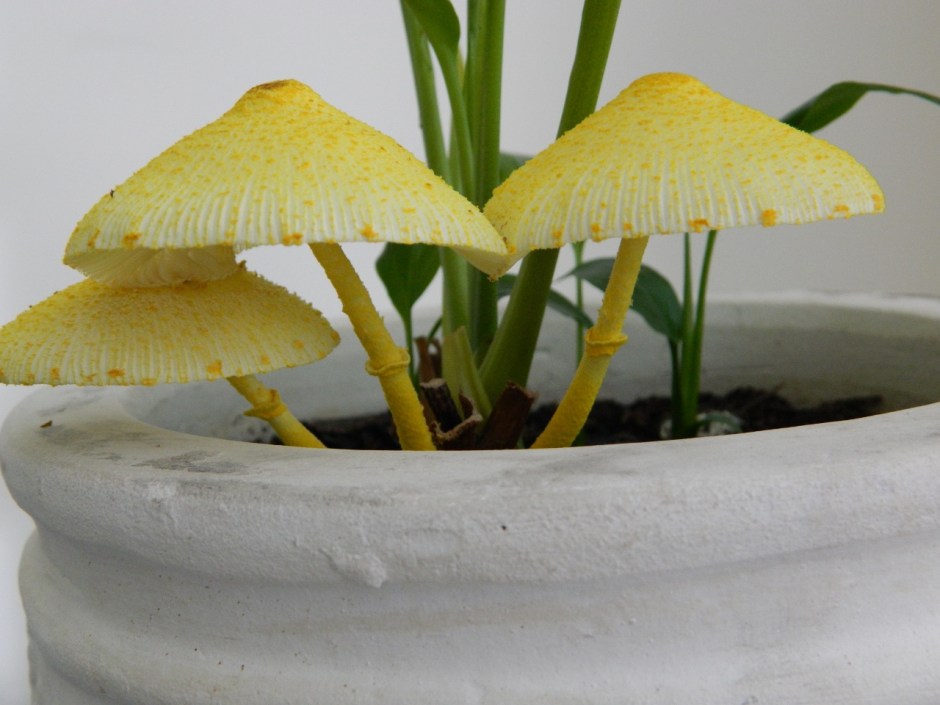
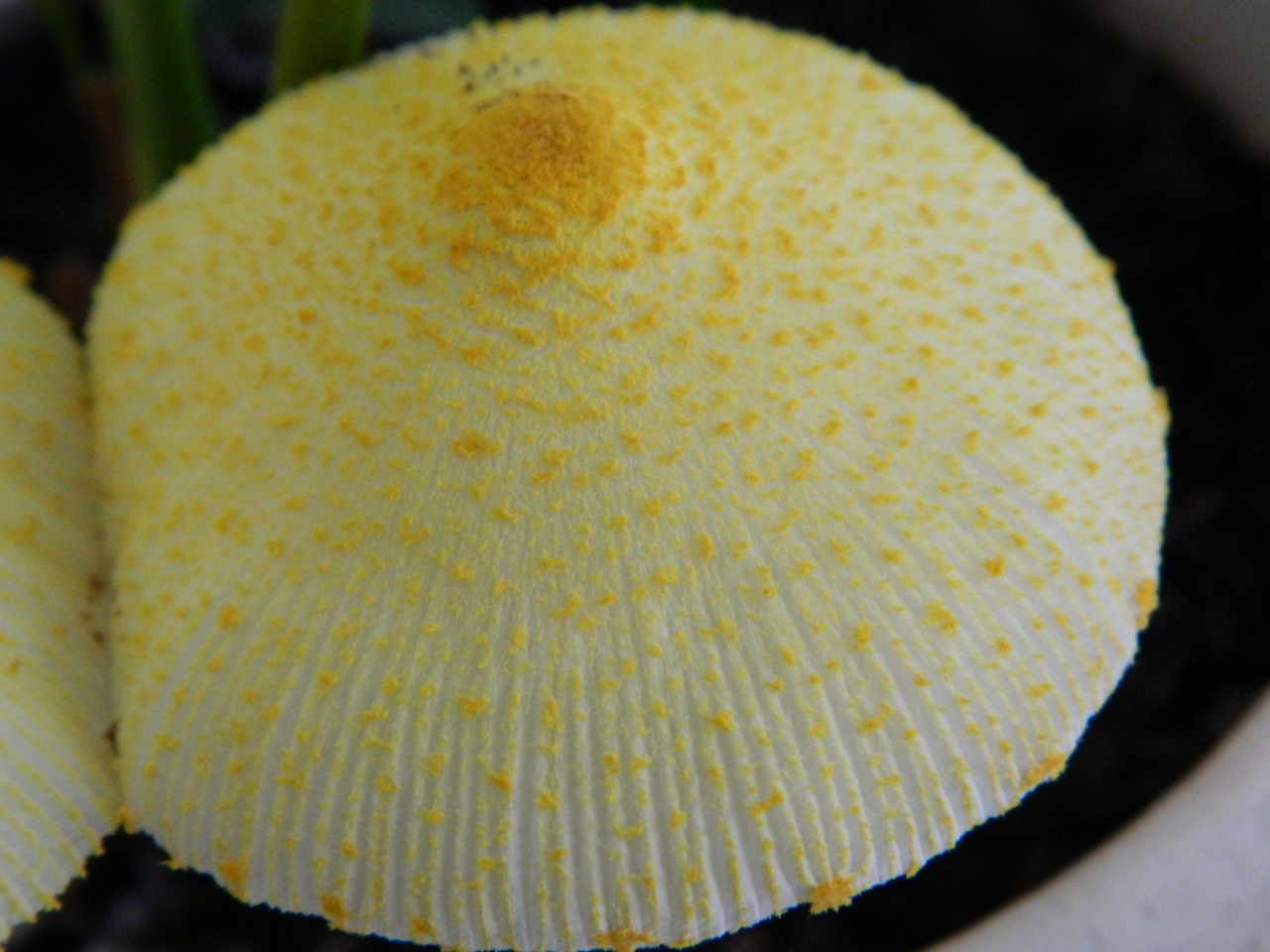
We’ve had a lot of rain this year – nearly a metre, which is ironic really, after one of our driest ever Springs.  There’s mould growing on some of my clothes and shoes, on the architraves and even on the dining table.  But I really wasn’t expecting this …

This is my one and only houseplant, and as pretty as the fungal growth is, I think perhaps it’s time to switch on the de-humidifier before the house is taken over by them?

A boxful of bees …

The residents of central Queensland have no reason to thank tropical cyclone Marcia, but for me there was an unexpected bonus.  Being on the southernmost edge of the cyclone, northern NSW was subjected to five days of almost incessant heavy drizzle.  With the skies overcast and temperatures slightly lower, it was finally the perfect time to ship my hive of Native Stingless Bees.

I awoke several times during the night worrying that my “entombed warriors” might have overheated on the trip down from Brisbane. I couldn’t bear to wait for the courier, so I rushed into Coffs Harbour first thing this morning to collect them.

Being a tiny bee, their hive is quite small, this one consisting of two layers with two separate entrances, and a flyover roof which can be raised for the addition of a small honey pot (more on that later).

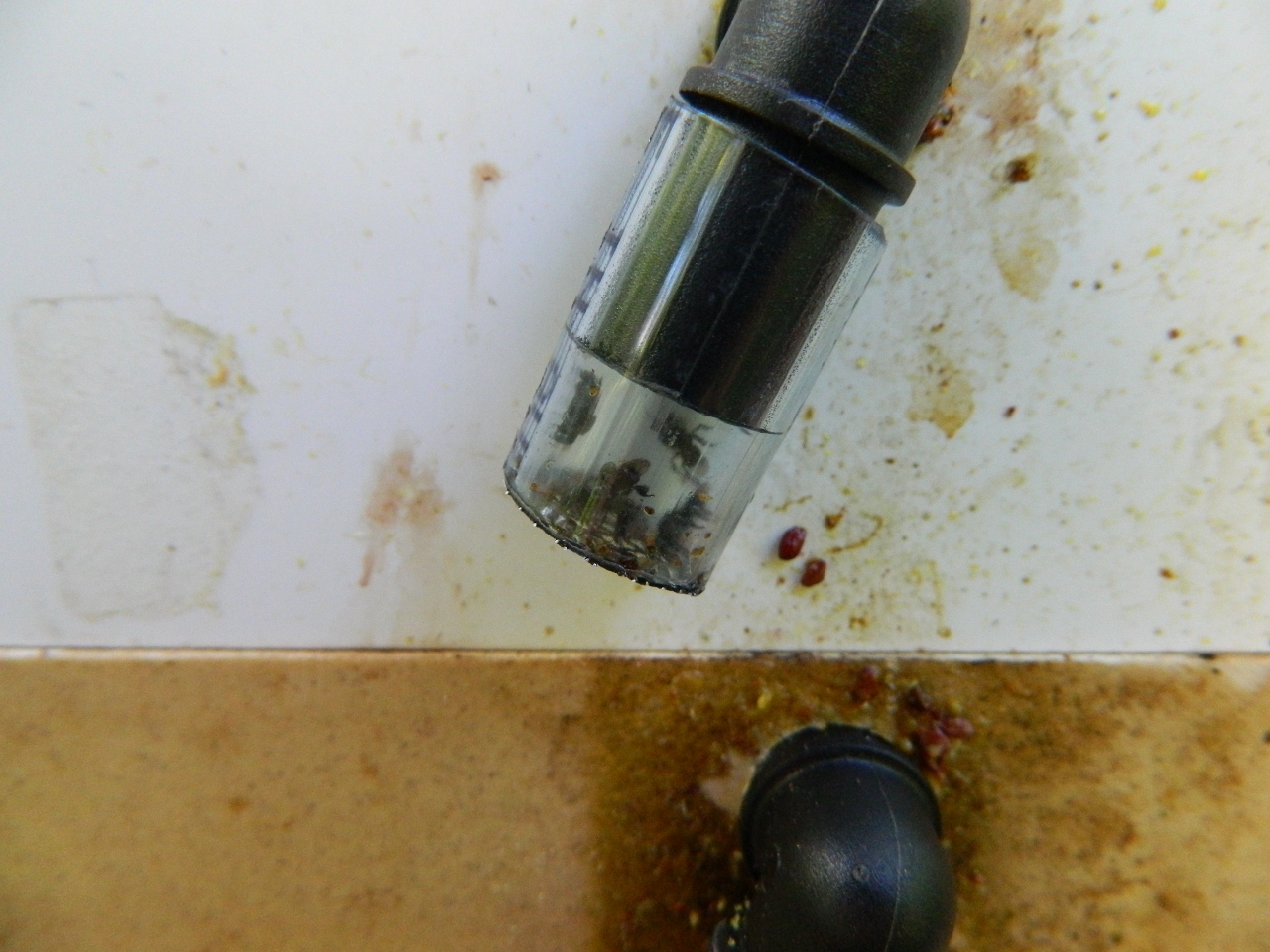
Over the entrances, the breeder placed a piece of clear plastic tubing with very fine mesh glued to the end to allow air circulation – a clever idea!  In the next photo, you can see the bees trying to get out.
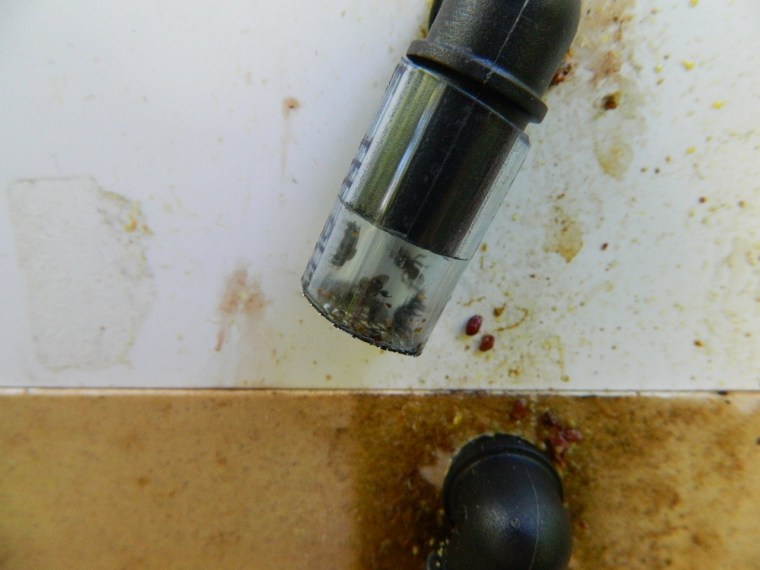
The minute I removed the plastic tubes, out they came as you can see from this video.


With the hive placed on the stand I constructed months ago, I’ll be able to watch their comings and goings.  And I’ll have to be a lot more careful about absent-mindedly swatting little black insects buzzing around my face from now on!

The mythical katydid …

I had begun to think that the katydid was either a myth or that I was doing something wrong.  After all, they are not un-common, there are over a thousand species of katydid/bush crickets in Australia, and I like to think that my garden is somewhat of an oasis – so why hadn’t I seen one ?

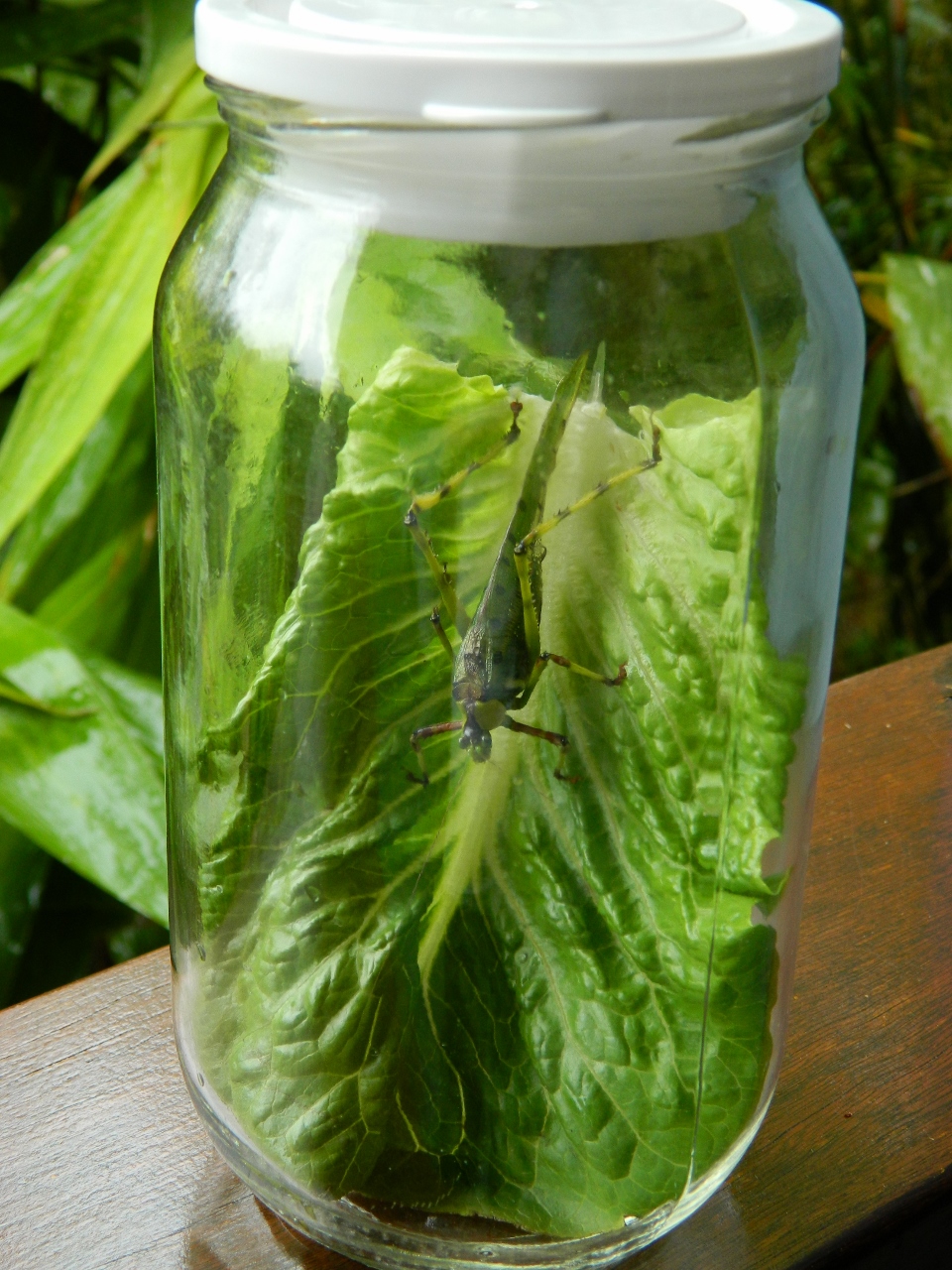
Then last night I heard a quiet chirp and a scratch of something against a fly-screen, so I grabbed my torch and went out to investigate … finally a katydid!  And just the one I wanted to see, the 32 Spotted Katydid.  So I popped it in a big jar with a lettuce leaf (for a bit of atmosphere) and left it in the kitchen overnight.

Overnight accommodation for a katydid

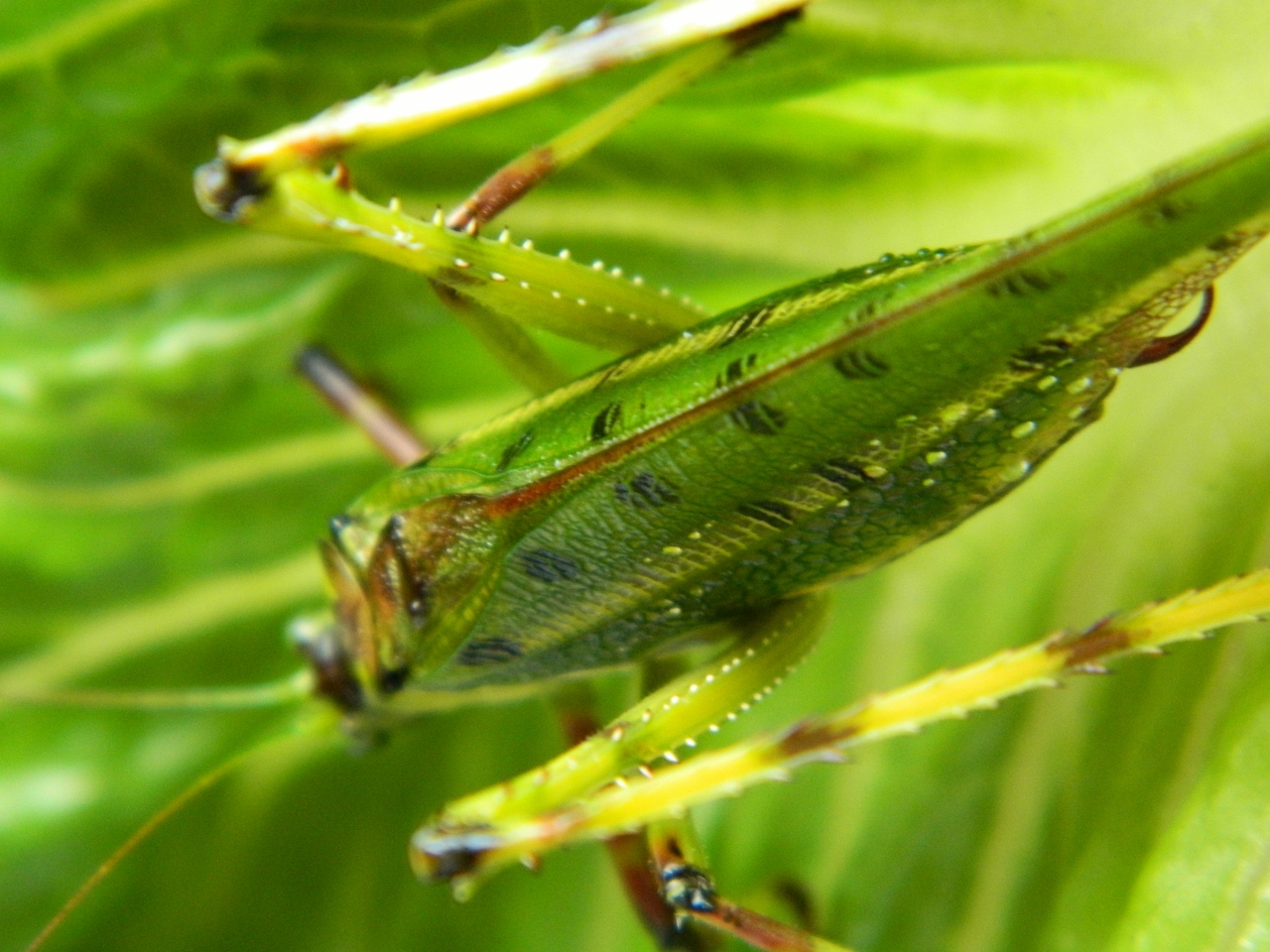
This morning I was able to study its beautiful markings and to count its spots – this one did appear to have 32 of them, but apparently the number varies.

There are 32 spots - I counted!
There are 32 spots – I counted!

It seems that they tend to live at the top of gumtrees. I only have two and they are at least sixty metres tall – which probably explains why I haven’t seen them at ground level before.  Perhaps the last two days of incessant heavy drizzle washed it from its perch?

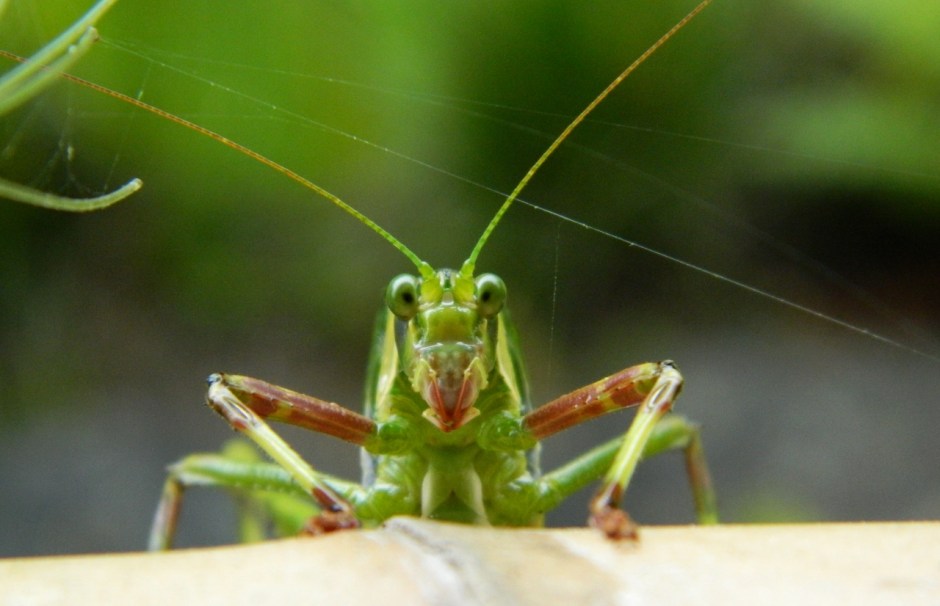
The waving katydid
The waving katydid

I have to say that its face reminds me more than a little of the extra-terrestrial in the movie Predator (you have to be an Arnie fan to have seen this one).  But this creature is beautiful and far less threatening.


Photographing fungi …

The wonderful thing about fungi is that unlike birds and bees, they don’t move!

When you spot one, you can walk in a leisurely fashion back to the house, pick up your camera, walk back, and they haven’t moved, not even a millimetre.  They’re predictable too – in warm weather, twenty-four to forty-eight hours after a good solid downpour you’re almost guaranteed to find fungi.

So when the “drought” broke in January with 400 millimetres of rain, there was a veritable feast of fungi to photograph. (I do like a bit of alliteration!)

Speaking of feasts, I’d love to know if some of them are edible.   None of them appear to be the deadly poisonous Death Caps, but the fact that there are about a billion fungi on Earth (and I exaggerate only slightly) means that I have relatively no hope of identifying them.  I’ll just have to be content with admiration rather than degustation.