Davidson’s Plum Syrup

This season I decided to take a break from making Davidson’s Plum jam. Unfortunately though, my tree didn’t receive the notification and consequently ripe plums have been raining down for several weeks. I’ve offered them to my neighbours, but no takers so far. And as I can’t stand the thought of them all going to waste, I decided to try making a syrup to use in drinks, trifles, ice-cream, whatever I can think of …
  • 500g fresh or frozen Davidson’s Plums
  • 500g sugar
  • 1 cup water
  • Optional 3-4 pieces of Star Anise or a Vanilla Pod
  • Also optional a teaspoon of Rosewater at the end

Bring plums, sugar and water to the boil in a large saucepan.
Mash the fruit to release their juices and add the Star Anise or Vanilla Pod if using
Keep cooking at a slow boil for about 10 minutes or until it thickens slightly
Strain the mixture through a sieve into a large jug and allow to cool slightly whilst you sterilize a bottle by filling it with boiling water and allowing it to stand for 5-10 minutes.
Pour the water out of the bottle, and use a funnel to pour the juice into your bottle.
Add the Rosewater if using.

  • This recipe makes about 250 ml of syrup and can be multiplied for larger batches
  • As freezing destroys the natural pectin useful in jam making, this is a great way to use up excess plums which you have frozen.
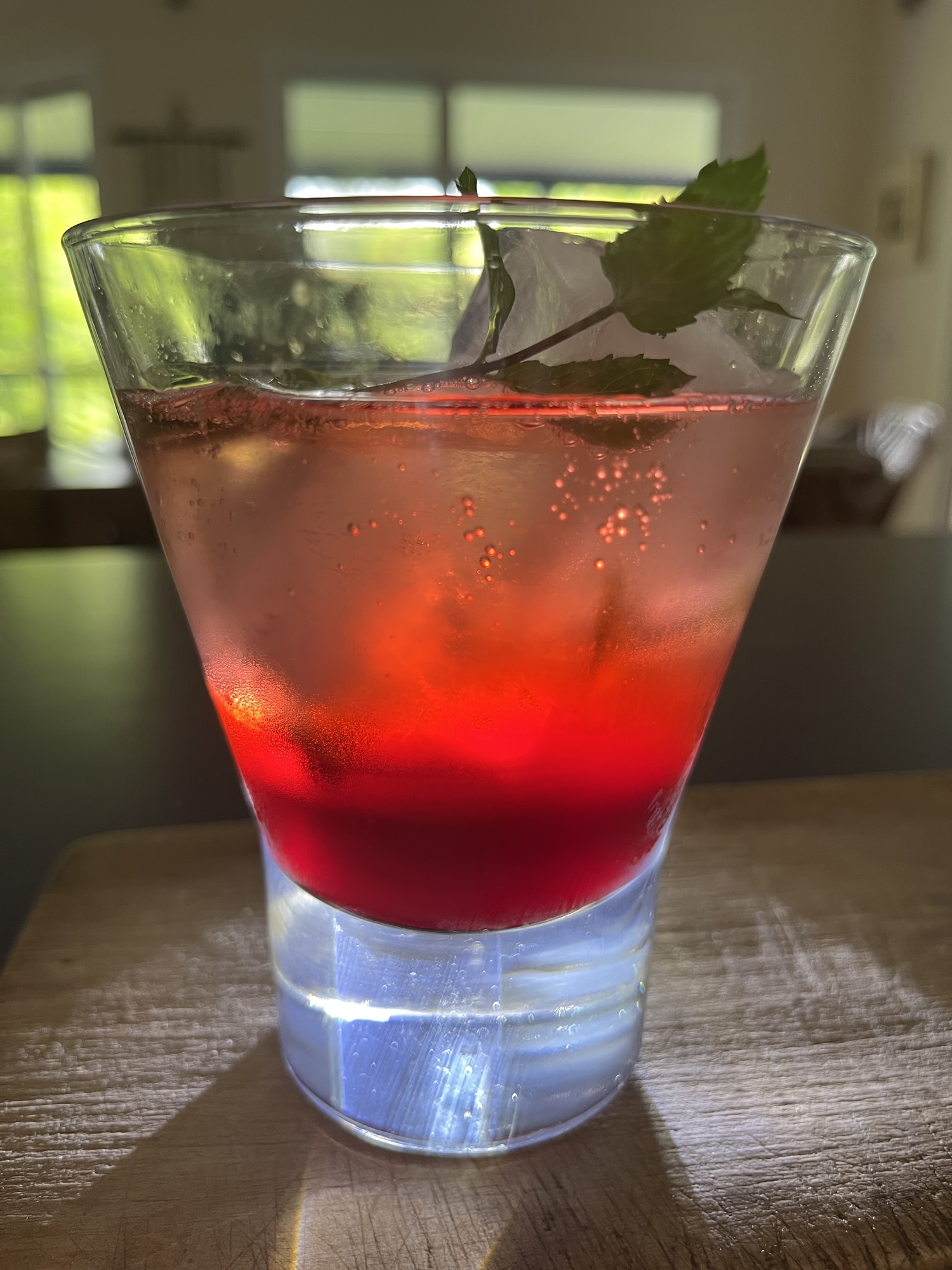
  • Pour the syrup over ice and add soda water for a refreshing alcohol free drink, or add to your Aperativo – I’ve used it in a gin & tonic and in even in a Negroni!
  • It’s delicious poured over a good quality vanilla ice-cream
  • And it’s quite addictive …


Birding from my armchair …

Whilst not technically birding from my armchair, I usually notice birds in the nearby trees in late in the afternoon just after I sit down for a glass of wine. So, I’ve developed a stalking protocol …

I very slowly put down my glass of wine, slide to the floor without moving to the left or right, then crawl on my hands and knees behind the sofa until I reach the veranda door. Where I slowly stand up, again without moving to the left or right and pick up my strategically placed camera.

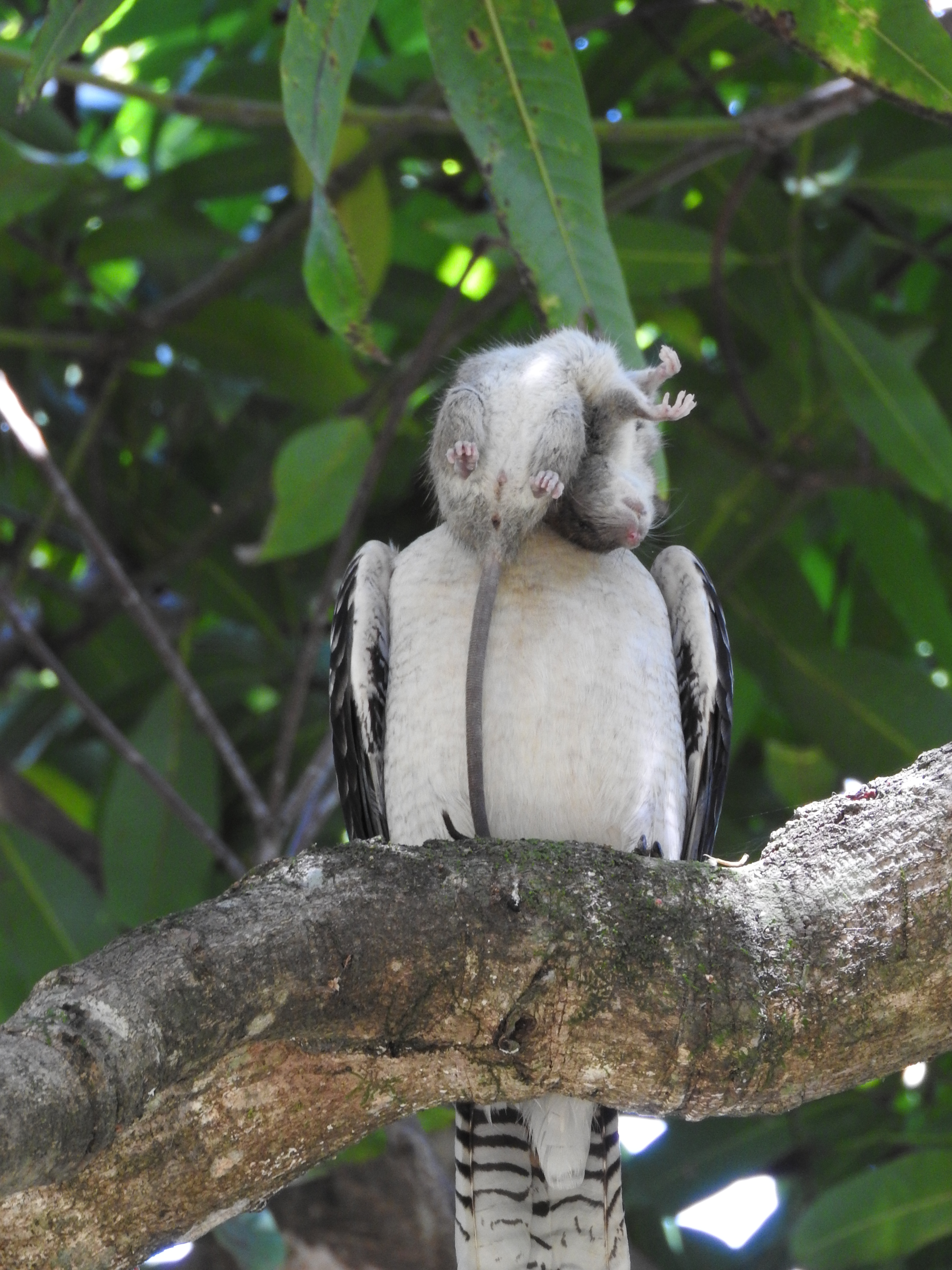
Using this protocol, I captured these photos of a Kookaburra with his/her prey in the Mango tree. To be fair, I think that he was probably a bit stunned and wondering how the hell he was going to deal with such a large rodent. He eventually flew off, rat in beak, close to the ground like an overloaded cargo plane.

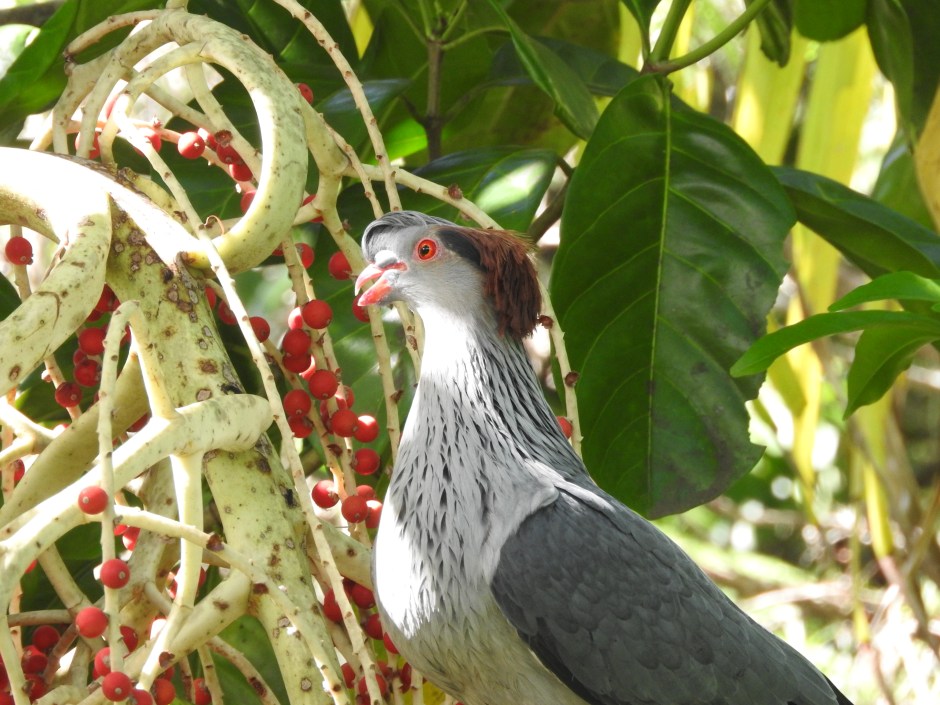
When I planted a Bangalow Palm and a native Tulipwood Tree close to my veranda (probably a bit too close in retrospect) I hadn’t foreseen what an attraction their berries would be to the local birds. A serendipitous, but potentially ill-advised decision, which results in a daily queue of birds chasing a late-afternoon snack.

Cured Lemons …

This is a delicious, quick and simple recipe for when you have a glut of lemons …

You will need:

3 medium lemons – preferably home grown, organic or chemical free
3 tablespoons of salt
3 tablespoons of white sugar
¼ cup good quality white vinegar
¾ cup of olive oil – it is not necessary to buy top of the range extra virgin, first press etc
Several small wide-mouthed jars

Method:

I like to sterilize my jars by filling them with boiling water. Leave them for 5 minutes before pouring out the water and drying them in the oven .

Wash the lemons and slice them as thinly as possible, discarding the pithy ends.  I used a mini mandolin with the thinnest insert, which gave me slices about 1-2 mm thick.  Slice the lemon slices in half to make them easier to fit into your jars, and remove all pips.

Mix the other ingredients together and warm slightly either in a microwave or saucepan to help the sugar and salt dissolve.

Pack the jars full of lemon slices, and then pour the warm olive oil mixture into the jars, filling them right to the top.  Close the lids tightly and invert.  Leave the jars on your sink drainer (just in case they leak) and over the next 48 hours rotate them three or four times to cure and circulate the oil mixture.

Place the jars in the fridge, where they will keep for about a month – unless you eat them first!

Notes

  • After a week or so, the lemon softens and loses its sharpness, and I have even eaten slices from the jar.
  • Use to garnish steamed fish, or pop in some slices if you are cooking fish in parchment paper.
  • Because there is oil, lemon and vinegar in the mix, it is essentially a simple dressing, so I have used it to dress a small side salad.  You might need to add a little more lemon juice or vinegar. My latest creation being baby peas, with home grown herbs, nuts and seeds and goats’ cheese.
  • I found that two of my large home-grown lemons and ¾ cup of oil filled two of the squat 250ml  jars that are so common nowadays.

Being a Bowerbird …

Here’s what you do when your town goes into a soft-lockdown and you have a list of home maintenance jobs that you really don’t want to do. Find an excuse to do something else …

I challenged myself to make a Bower Box using only treasures found in my garden, and not to buy anything specifically for the project, although I admit to one cheat, the wooden jewellery box which I had already purchased for another project. The idea came from a wooden gift box of gourmet goodies sent to me by my neighbours as a thank-you. I just couldn’t bear to throw it away. The blue paint came from a left over can in the garage and the lichen came from trees in the garden.

Inspiration came from one of my favourite books, Sibella Court’s “Bowerbird”.
(bowerbird –noun informalmainly Australian a person who collects miscellaneous objects – that’s me!)

I’ve never understood why it’s so hard to find a dead cicada on the ground when thousands of them hatch each year.  Surely they can’t all be eaten by birds? Anyway, after much scratching around over several cicada seasons, I’ve managed to find and identify five species.  Maybe this year will bring me a Greengrocer to complete the collection.  I’m almost looking forward to Cicada Season.  Maybe not?

The pigeon skull came from a brown cuckoo-dove which flew into a window and was thankfully killed instantly.  The rat perished after becoming stuck in a wall cavity.  Both were buried in my compost bin, where the worms and bugs went to work.  They didn’t quite finish the job, so I had to complete the gruesome task.

I wanted to include two nests in my display. One of the nests fell out of a tree on a windy day, the other is a fake.  Can you tell which one?

We will be under lockdown for another week, so I’m looking for another excuse NOT to clean my windows.