Blue Banded bees …

I should have read the label more carefully when I bought this beautiful Black Knight salvia. But I didn’t and consequently planted it in the wrong spot.  I read that it flowers for most of the year, but I missed the bit where it said – grows to three metres!
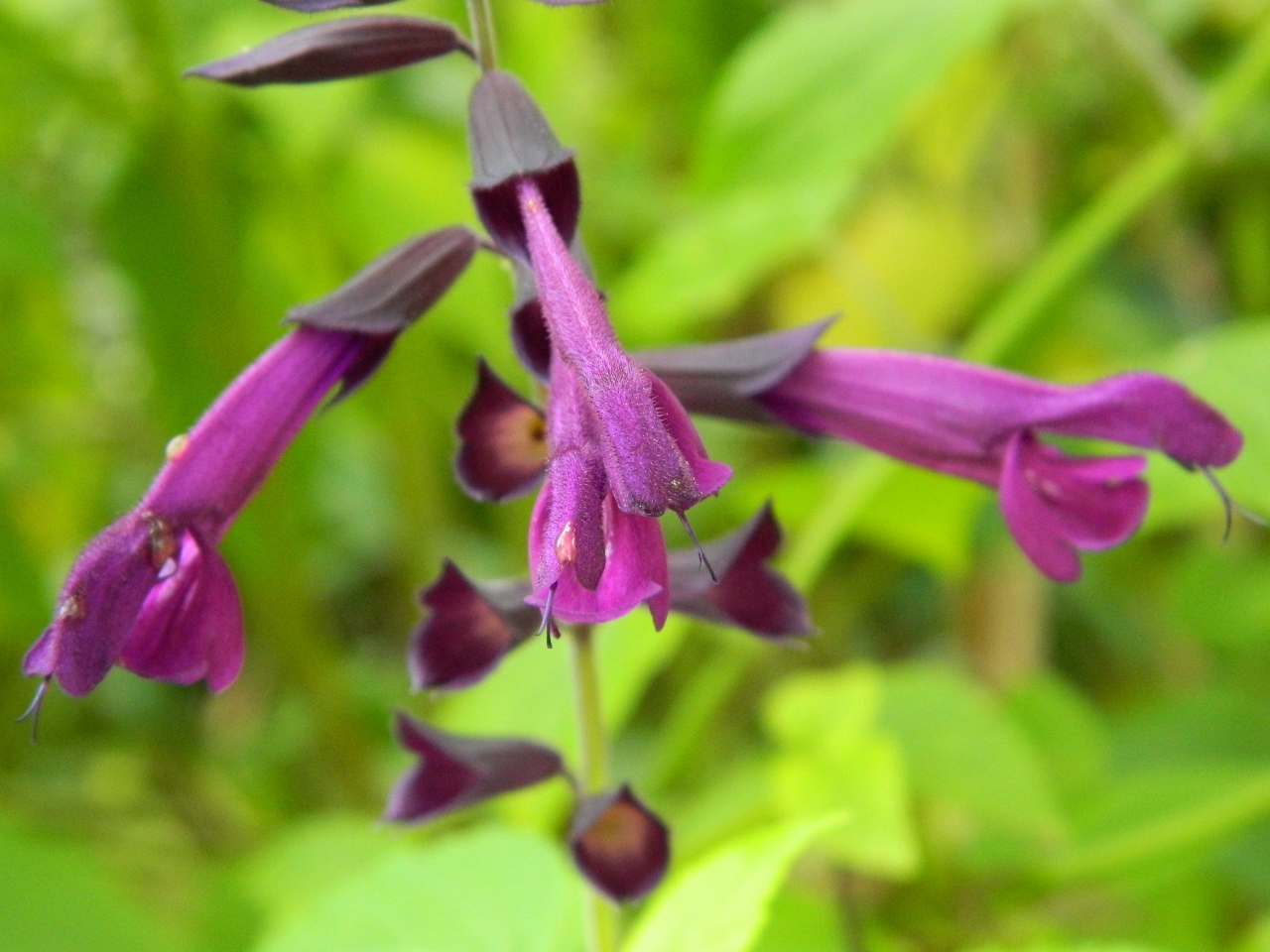
I’m going to propagate from it and plant the offspring in a more suitable spot, but in the meantime I put up with it blocking part of a path because it’s a bee magnet. Almost any time of the day I see native stingless bees buzzing around.
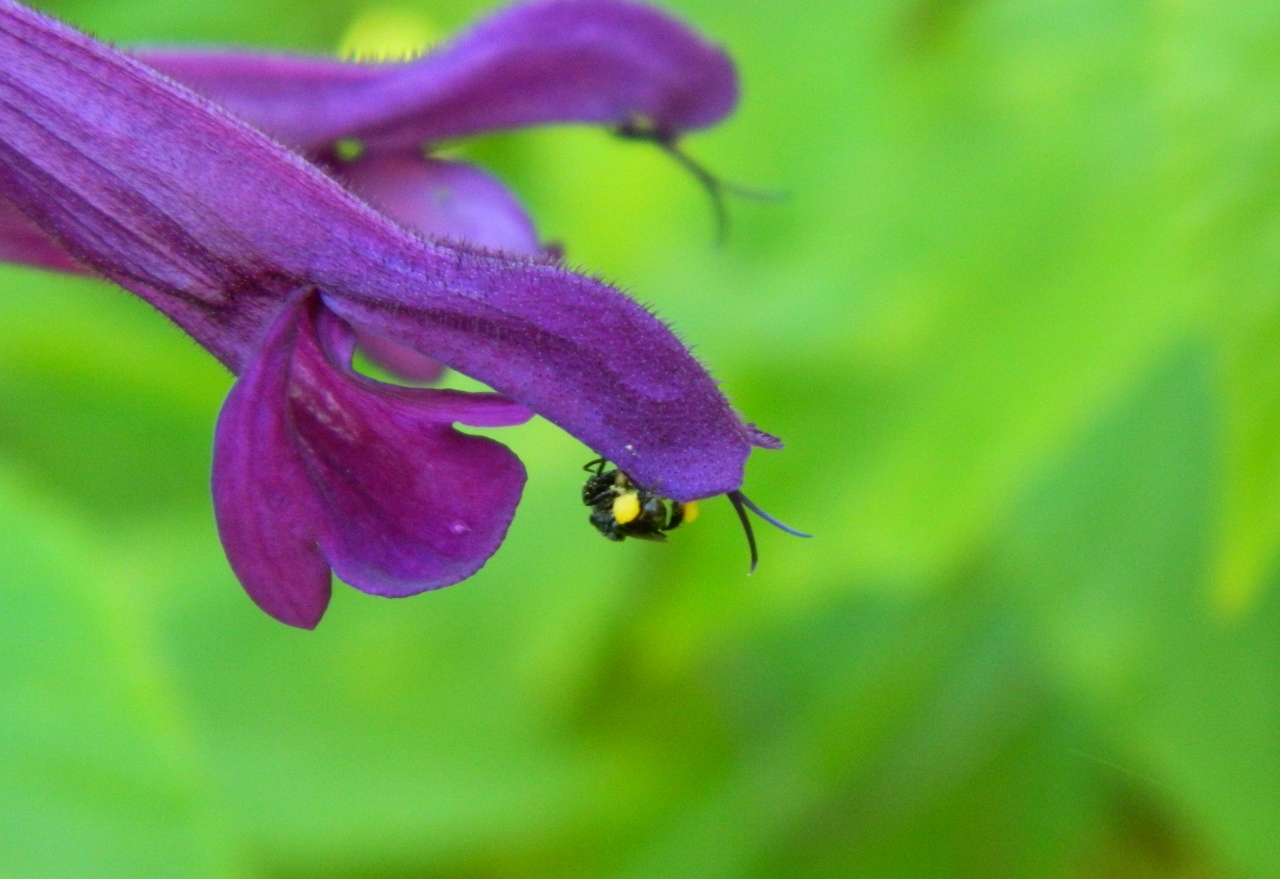
Native stingless with pollen
Native stingless with leg sacks full of pollen

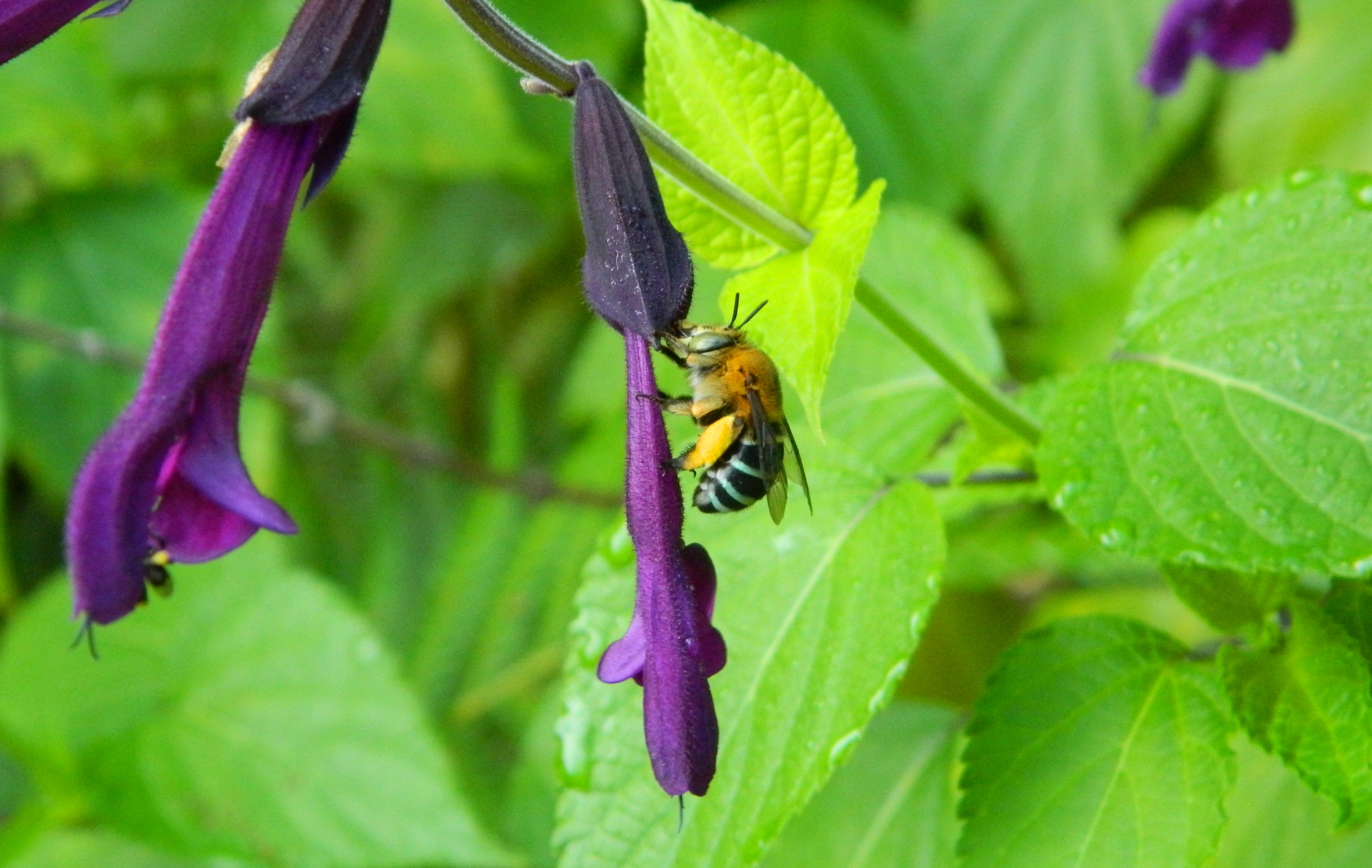
And only recently, I realized that what I thought were large flies scooting around the garden, are actually native Blue Banded bees.  They are an absolute B…… to photograph because they hover and dart like a manic helicopter.
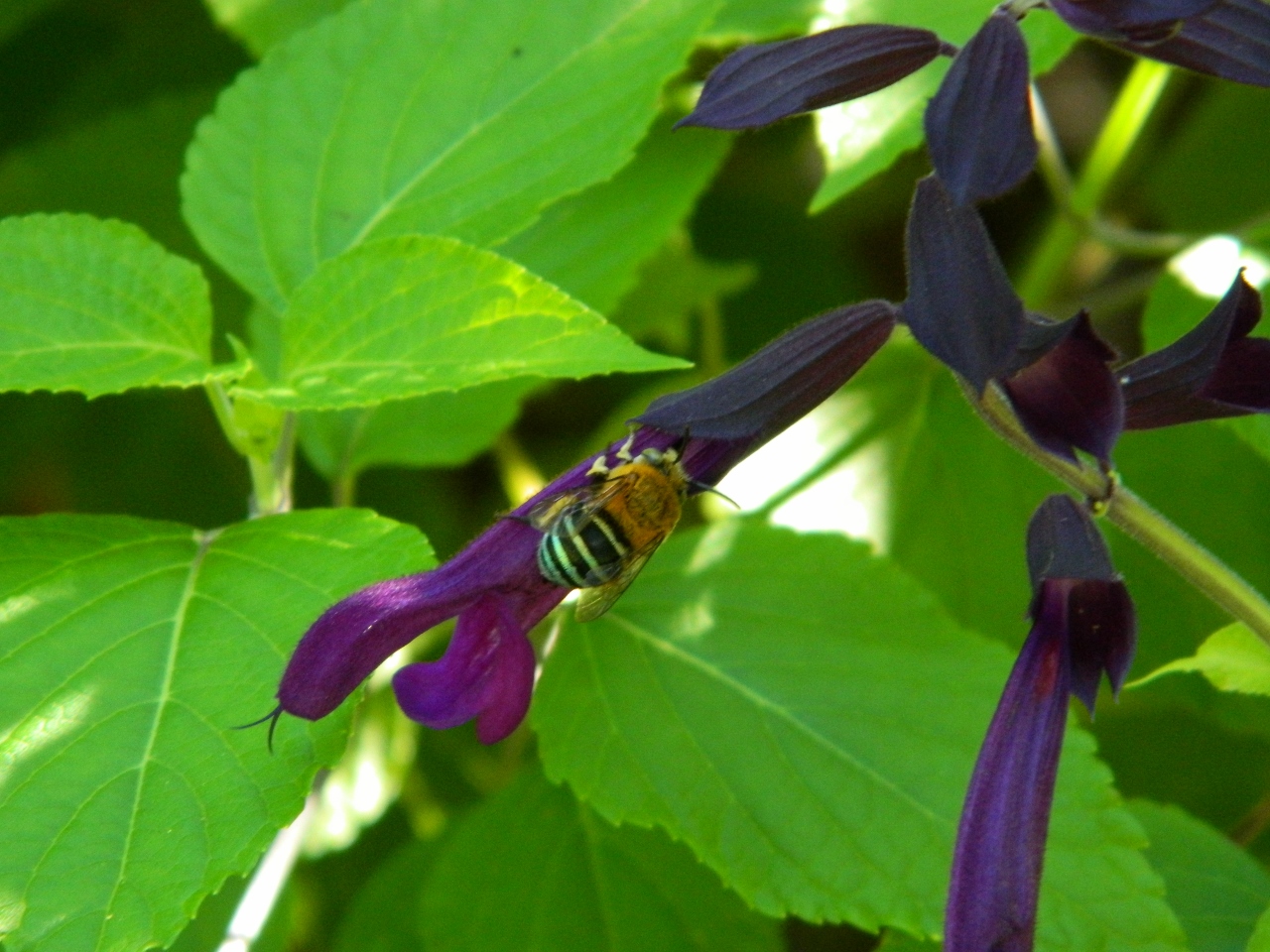
Blue Banded bee
Blue Banded bee

Blue Banded bees are buzz pollinators and they carry the pollen on their backs. If you are growing tomatoes, eggplants, kiwi fruit, chillies or blueberries the Blue Banded is the bee for you because apparently buzz pollination is the most efficient way to pollinate.
 

Possum envy …

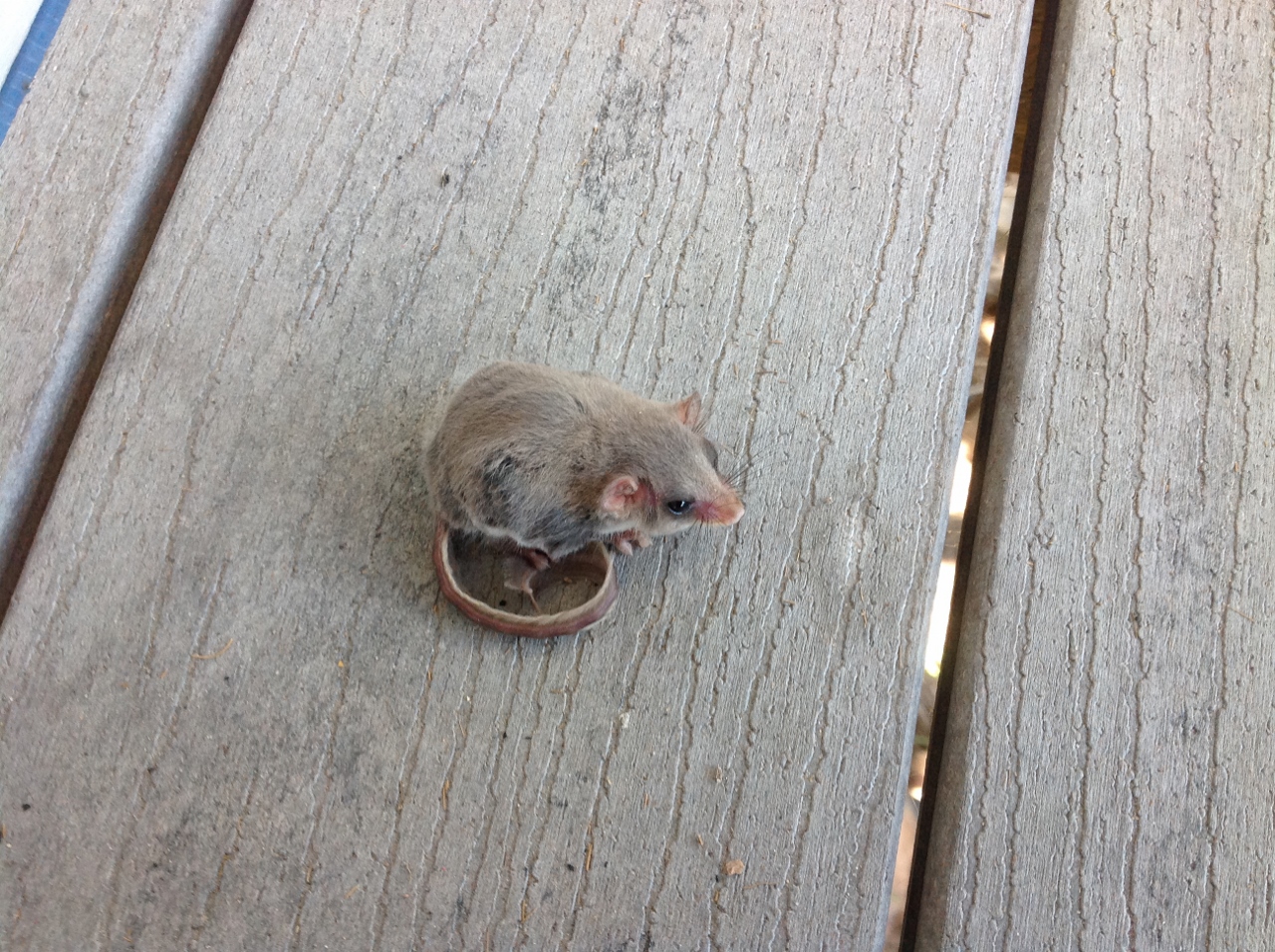
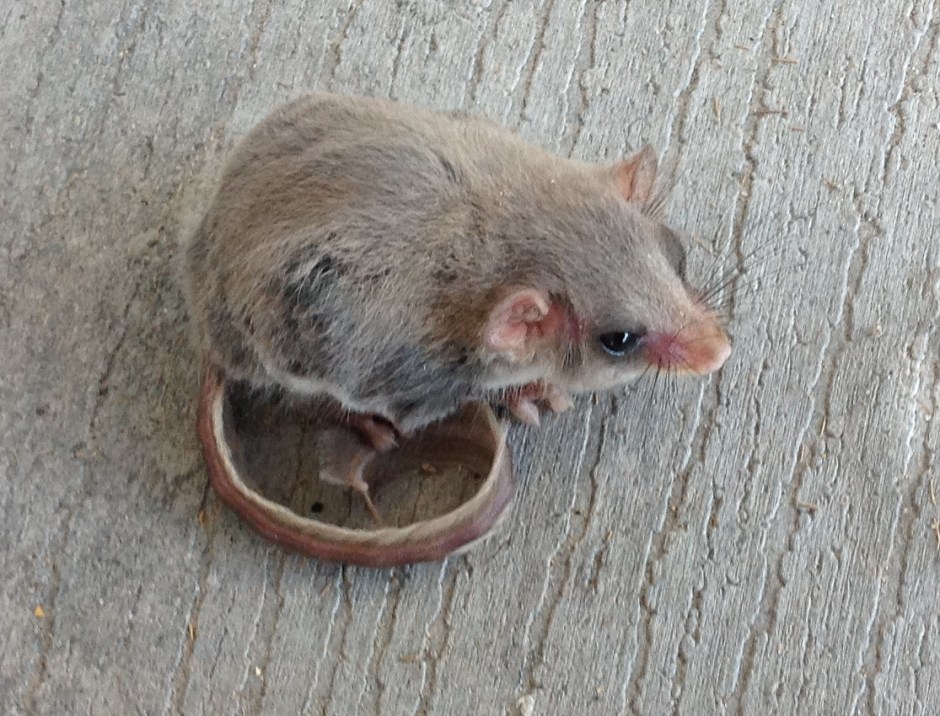
I wish I could say that this adorable little creature is “mine” but I can’t.

It turned up yesterday on the veranda of my friends Trish & Richard, looking a bit poorly.  We think it might be an Eastern Pygmy Possum, a threatened species which weighs between 10 and 50 grams – that’s about the same as a normal chicken egg!  You can see just how small it is when you compare it to the width of the decking in the photo below.

By the time we’d finished our coffee it was gone, hopefully safely back up a tree.

I’d love to think that they were sneaking around MY garden after dark.

Note: photo courtesy of Richard Carruthers


The Bee Motel …

I’m waiting (somewhat impatiently) for my native stingless beehive to arrive from Queensland – we need a week of cool weather so we can safely pop them in a truck and send them down.  In the meantime, I’m on the lookout for other bee species in the garden.

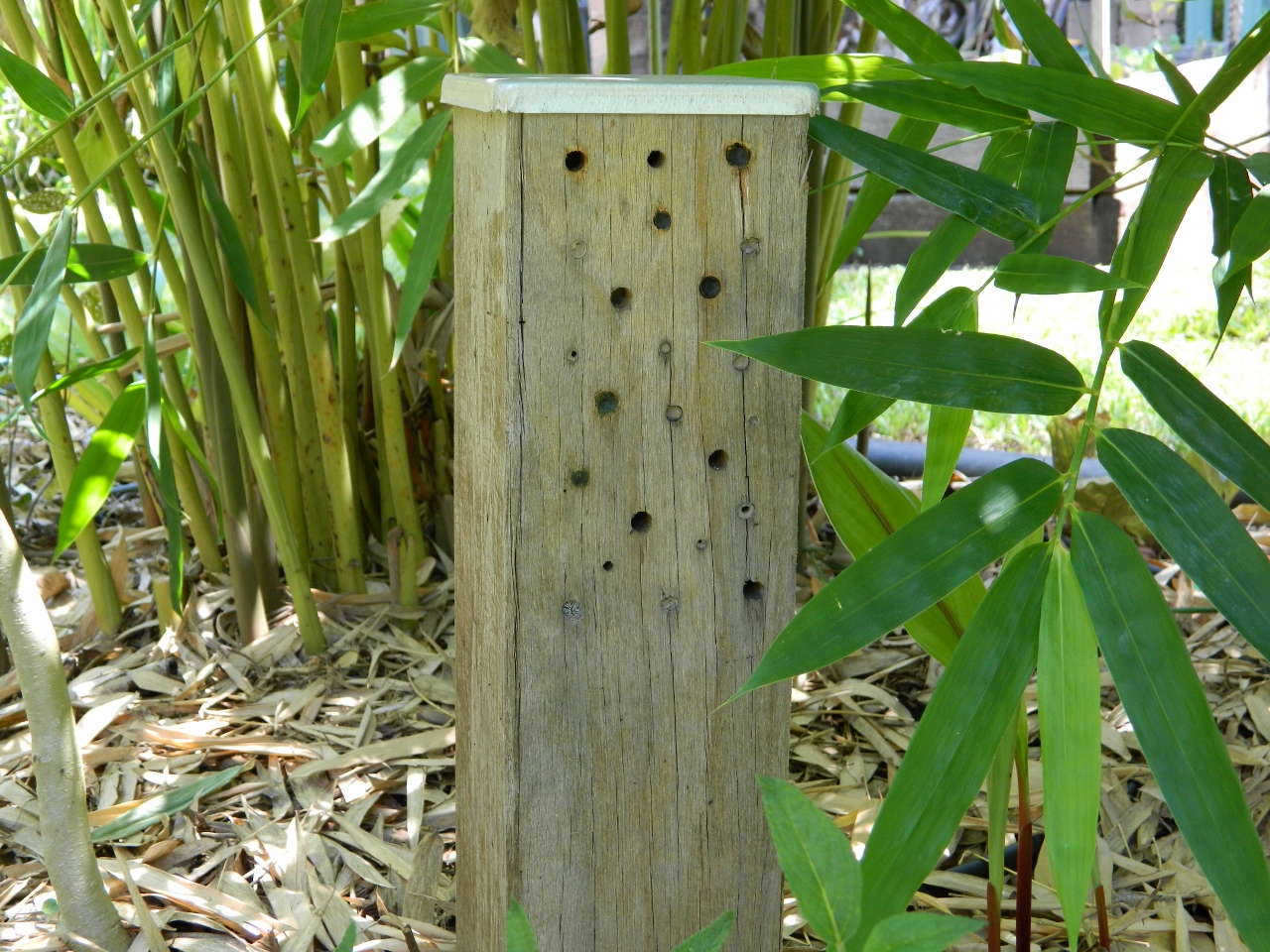
It’s been a few weeks since I checked The Bee Motel, which I made with renovating rubbish about a year ago.  The smaller holes were occupied quite quickly, I suspect by wasps, but the larger ones remained vacant.

DSCN8733 (1280x960)

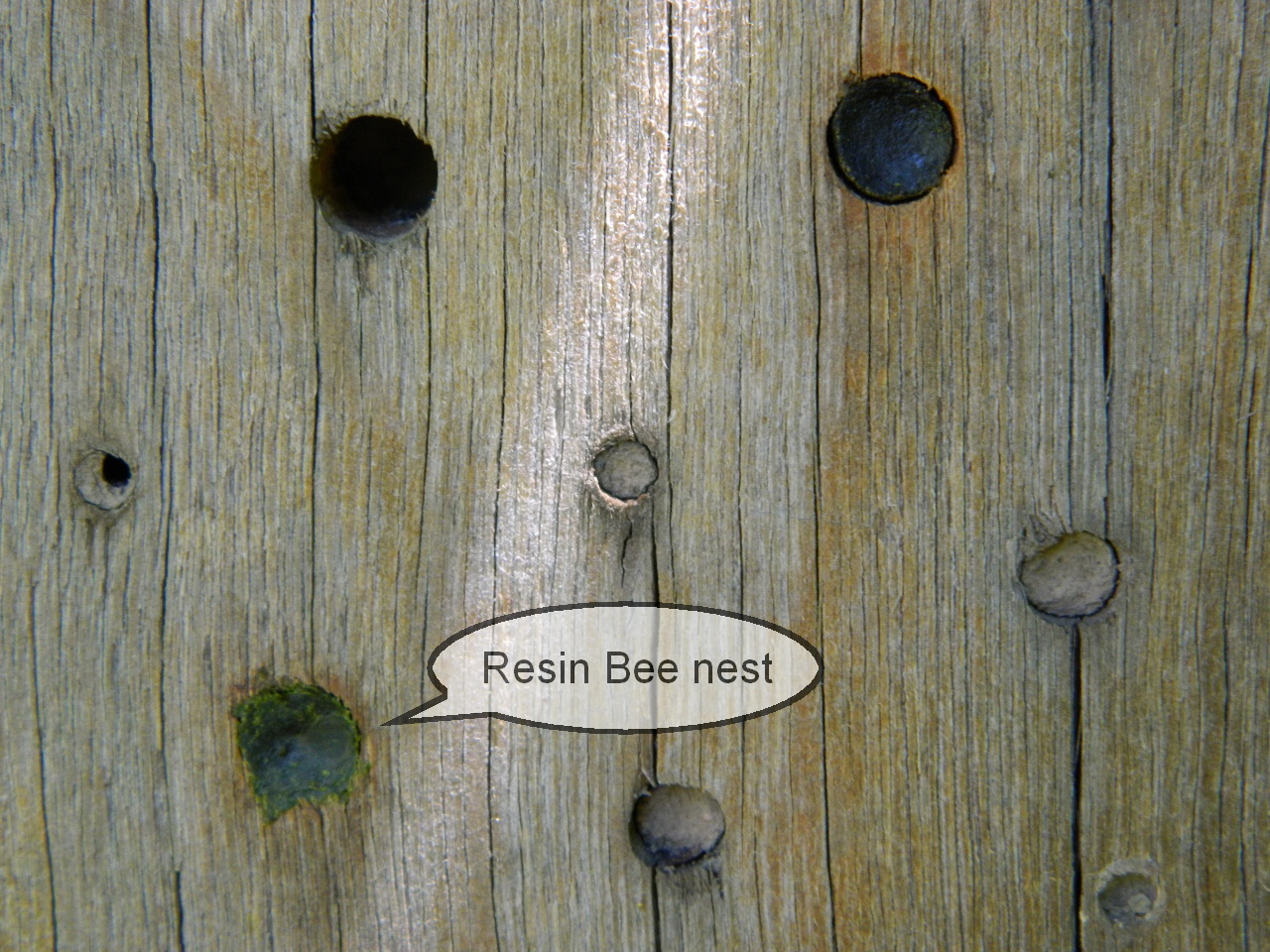
That is, until now. This time I noticed some freshly capped holes …

Resin Bee nest)

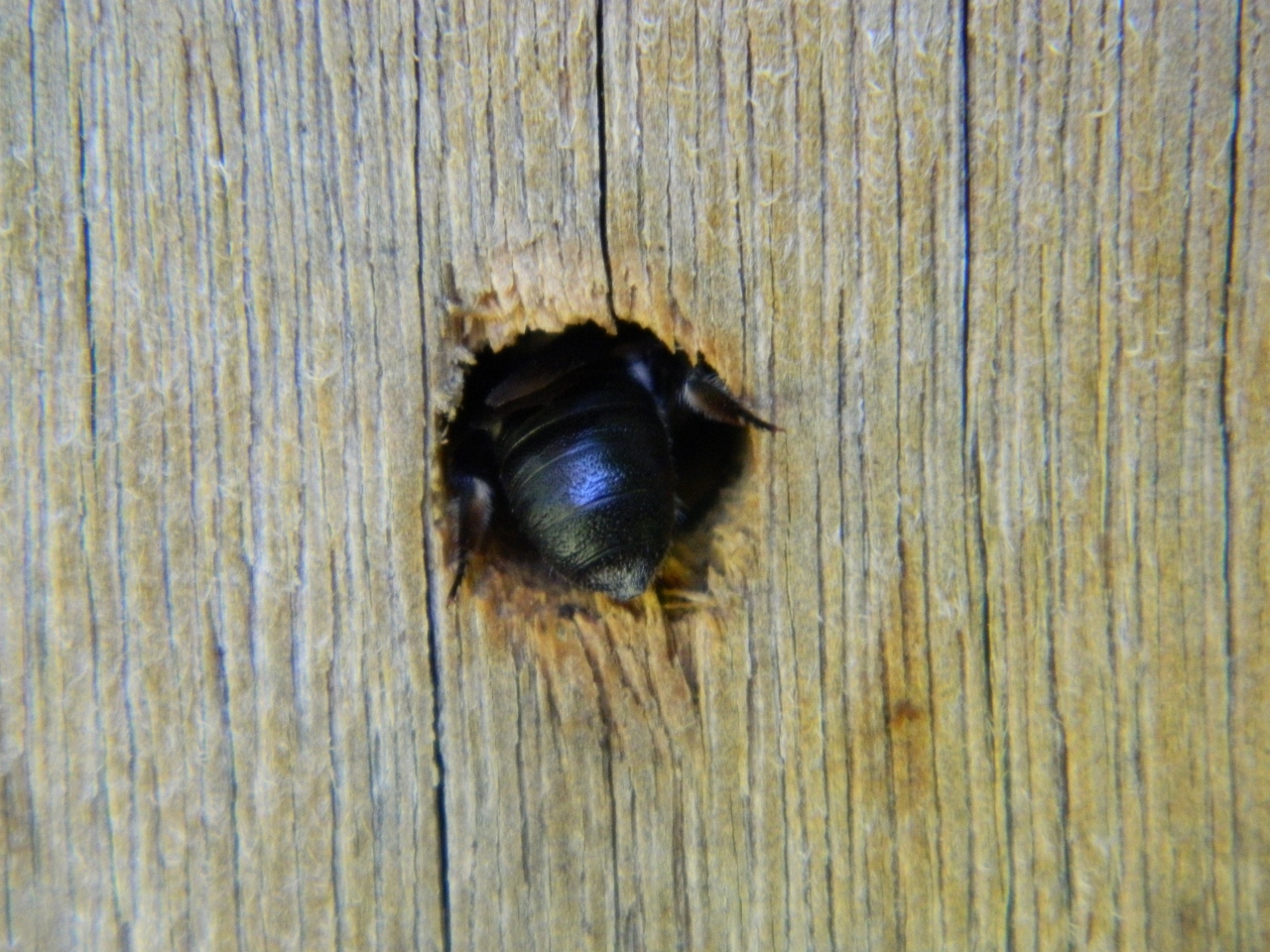
Then I spotted what I have tentatively identified as several native Megachile Resin Bees coming and going, sealing off the chambers with mouthfuls of chewed up leaves. One bee appeared to be trying to drag a competitor from an adjoining hole, but she dug her heels in, (do bees have heels?) and refused to budge.

DSCN8726 (1280x960)

Now I’m trying to find out what species of Megachile they are, and when I can expect them to emerge so I can be there for the birth.  OMG the things I do !!

Resolute Resin Bee

Interesting bee fact: a bee of the same genus, the Megachile pluto, is believed to be the largest bee in the world at 39mm in length.  Read the interesting story of its discovery on the Aussie Bee site.

The crazy Costa Rican …

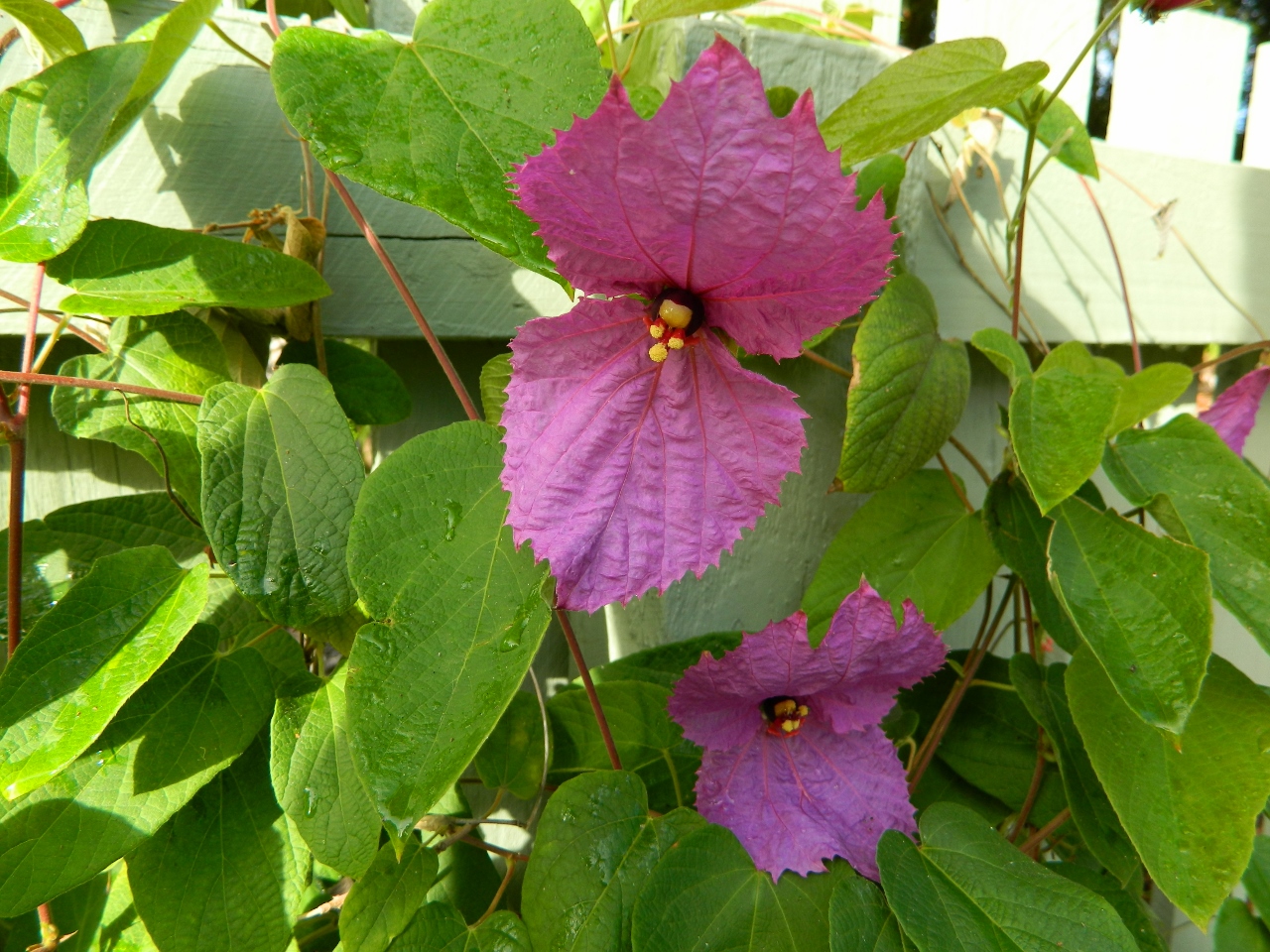
Now, I have to admit that the Costa Rican Butterfly Vine was one of my most optimistic-masochistic purchases.  It was an impulse buy, I actually bought it for its attractive leaves, and I really didn’t expect it to survive its first winter.  But amazingly it did.  So I was quite pleased when the first flower appeared …

Then more flowers appeared, what a bonus I thought …

DSCN8688 (1280x960)

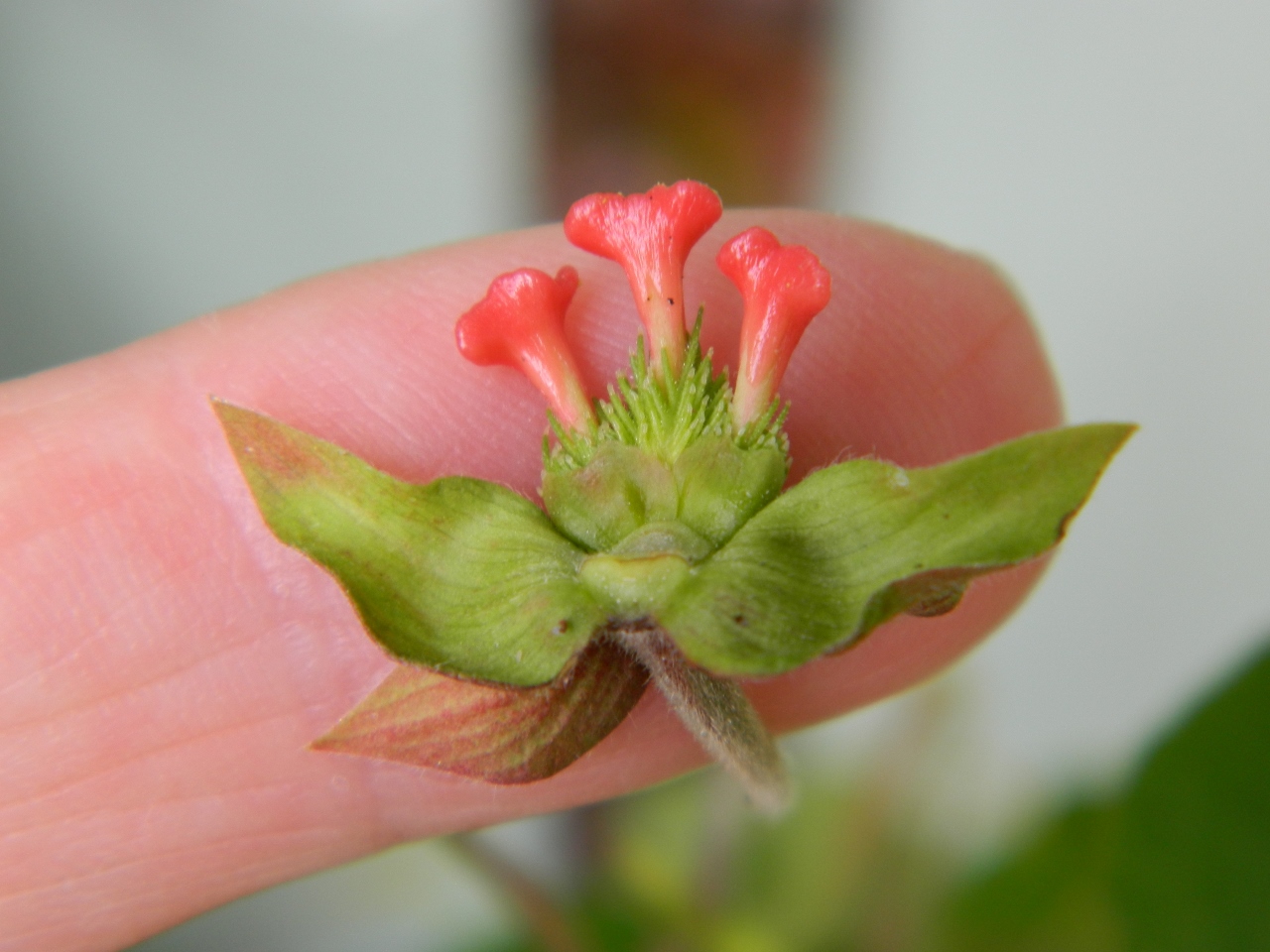
Then I zoomed in on the actual flower hiding behind the purple bracts …

The front view
The front view

Oh My God, it looks like something someone on an acid-trip would dream up …

The rear view
The rear view

Apparently the yellow ball is a resin gland which is attractive to bees, who use it to build their hives.  This is another bonus as I am expecting my native bee hive to arrive any day now and I’m hoping that Aussie bees like Costa Rican resin!