The rather annoying Wonga pigeon …

It’s early morning and I’ve been sitting here listening to a native Wonga pigeon go on, and on, and on …

It’s a very pretty bird, plump, beautifully marked and quite shy, but it has one of the most annoying calls of any Australian bird. It can be heard up to two kilometres away and can continue for hours!

DSC_0457 (1280x853)

I’m wondering if the one I can hear is the same pigeon that has taken to parading backwards and forwards outside my bathroom window.  My bathroom has large windows and no curtains so I enjoy a lovely view of the surrounding bush and wildlife while showering.  I suspect that the pigeon is not actually interested in my ablutions, rather it can see its own reflection and is putting on a mating display.

Wonga putting on a mating display

Whilst searching for information on the Wonga pigeon, I discovered that the early settlers considered them a delicacy and often used to serve them roasted and basted in lemon butter with a bread sauce.  One of Australia’s first cookbook writers Mrs Hannah MacLurcan published a recipe in 1898 …

Now I don’t wish this pigeon any harm, but it does sound rather delicious.
So Wonga pigeons should perhaps consider a new tune !

Bee-ing optimistic …

I had assumed that whilst I was in Sri Lanka I would miss most of the beautiful spring weather at home. But temperatures stayed low and 40mm of rain just before my return meant that I came back to a blooming garden and bees making themselves busy everywhere.

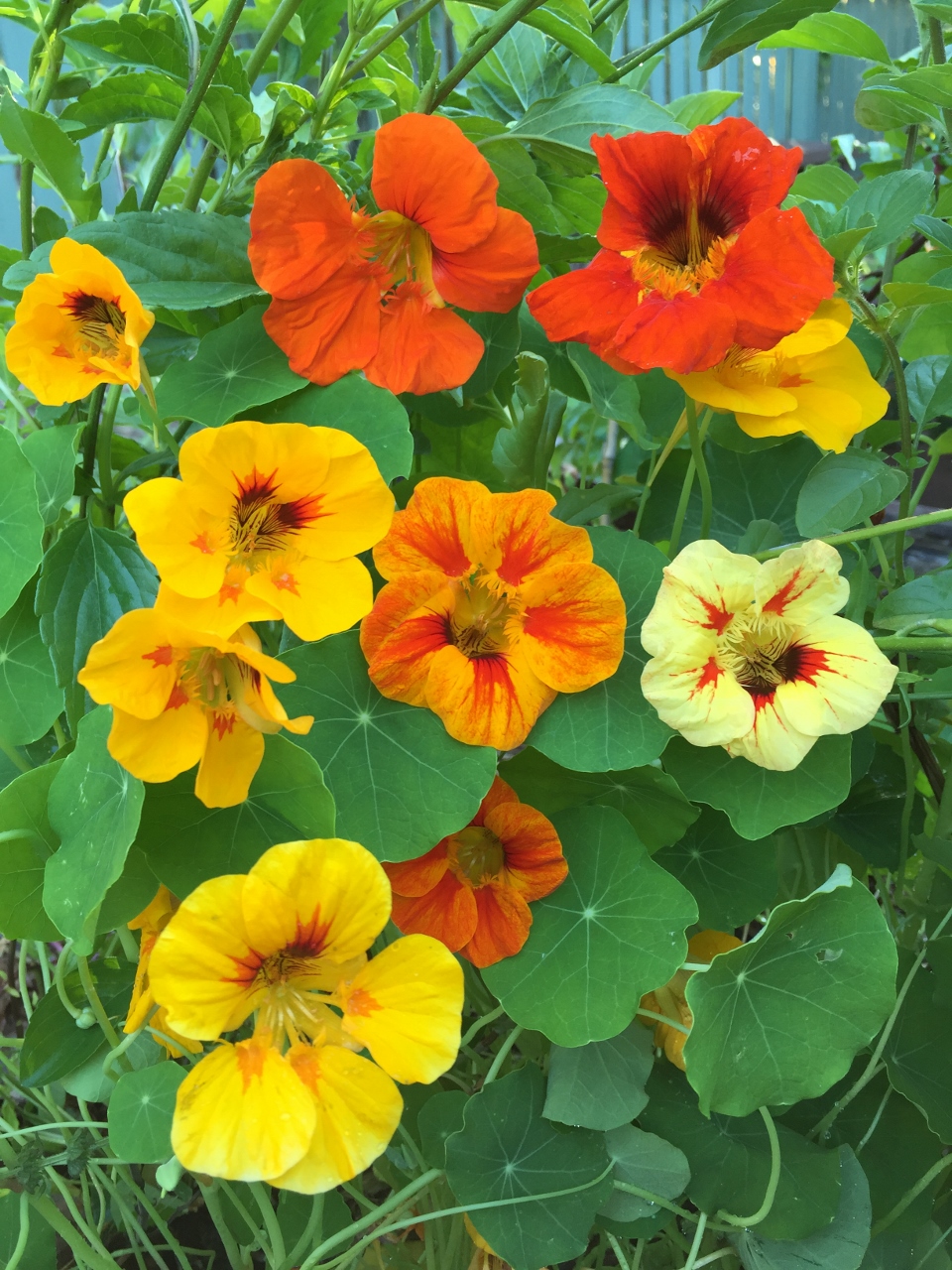
Nasturtiums on show (960x1280)

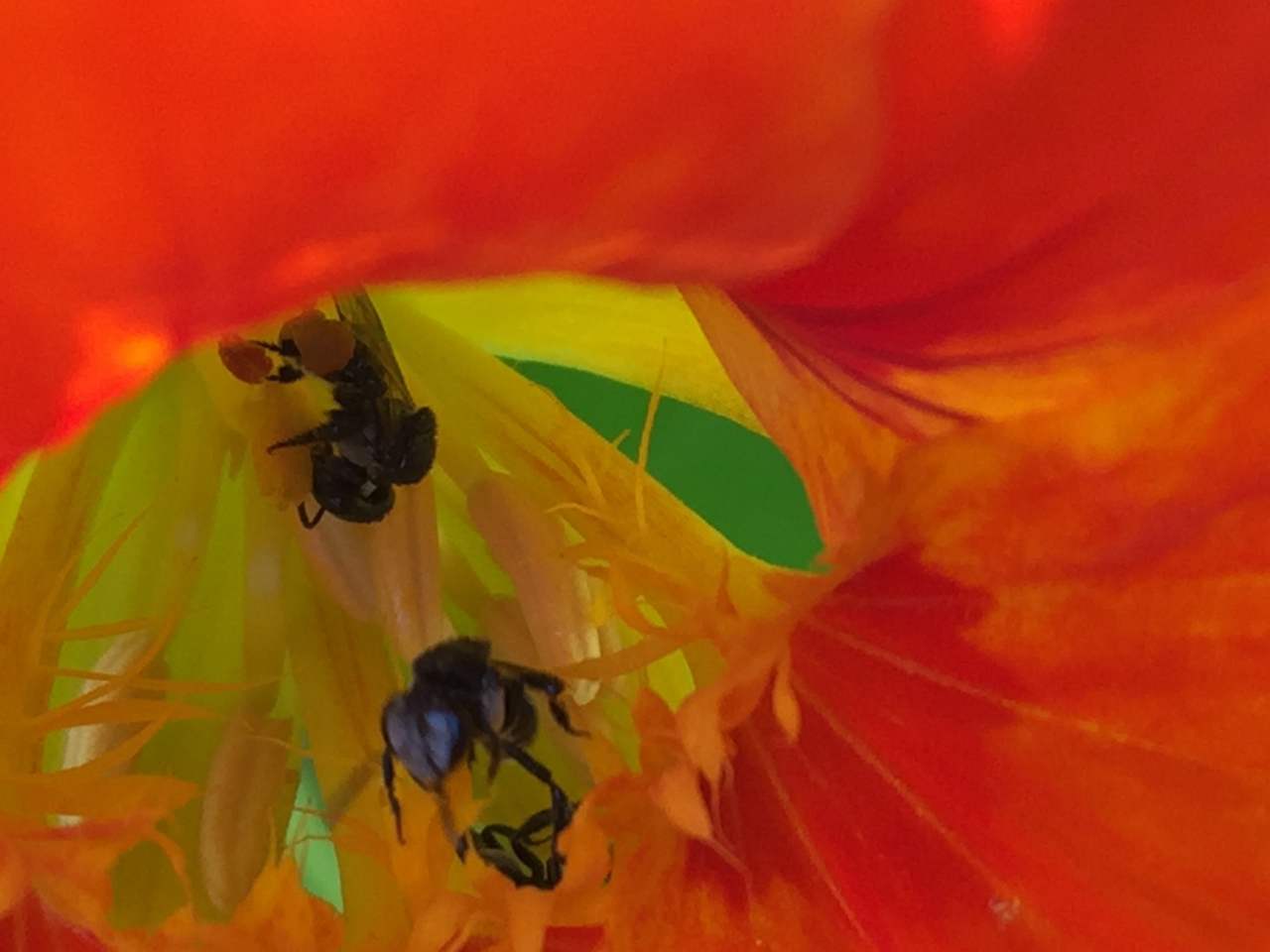
The nasturtiums in the bee garden are putting on a spectacular show and attracting hordes of native bees – sometimes three or four in just one bloom. And I’m appreciating their delicate scent as I wander around the garden.

Native bee 2 (1280x960)

Such wonderful value for a $4.00 packet of seeds. I’m collecting from this crop of flowers, so I should never have to buy another packet of seeds.

Native bee (1280x960)

Encouraged by all this bee activity, I decided to risk removing the top layer of the roof of my native beehive, and to place a honey pot over the exposed hole. The idea is that the bees will fill it with honeycomb and then I can just keep replacing the pot for a modest but unending supply of honey.  After an initial show of interest, the bees returned to their pollen collecting duties, and I’m optimistic that once they fill the main chamber with honeycomb, they’ll start filling my honeypot.

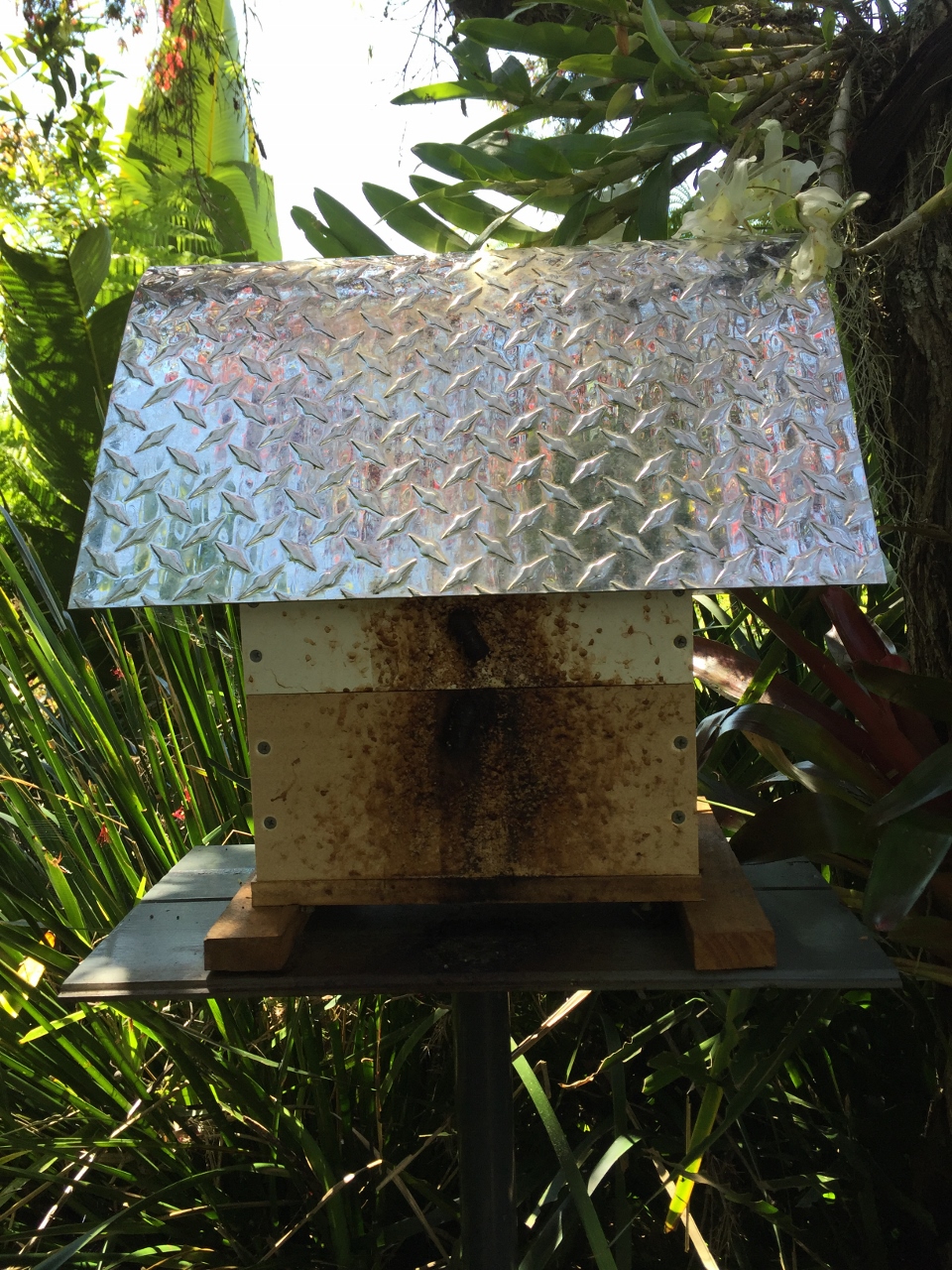
I also added a simple roof made from a sheet of propeller plate folded in the middle.  Now I think we are ready for summer ….

New roof on beehive (960x1280)

Winter’s end ?

I’ve been hibernating …

Comparatively speaking, I’m sure our winter is nothing to complain about, but that doesn’t stop me from having a daily whinge. My optimum operating temperature is between 19 and 29c so obviously things like an “Antarctic vortex”  and low single digit mornings fit nowhere in this range. And that’s what we’ve suffered in the past few weeks.

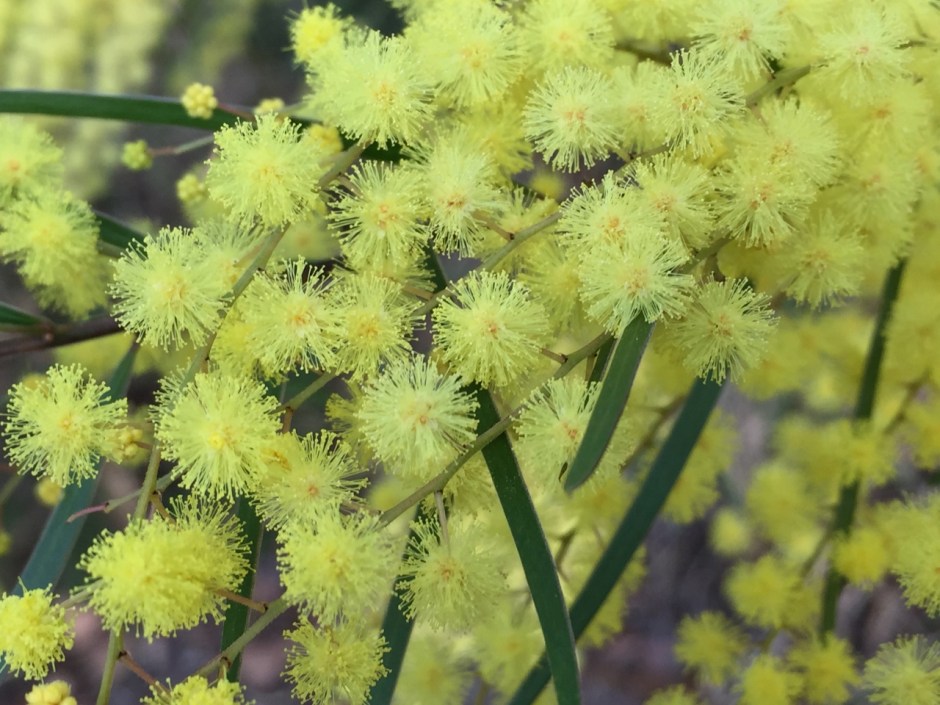
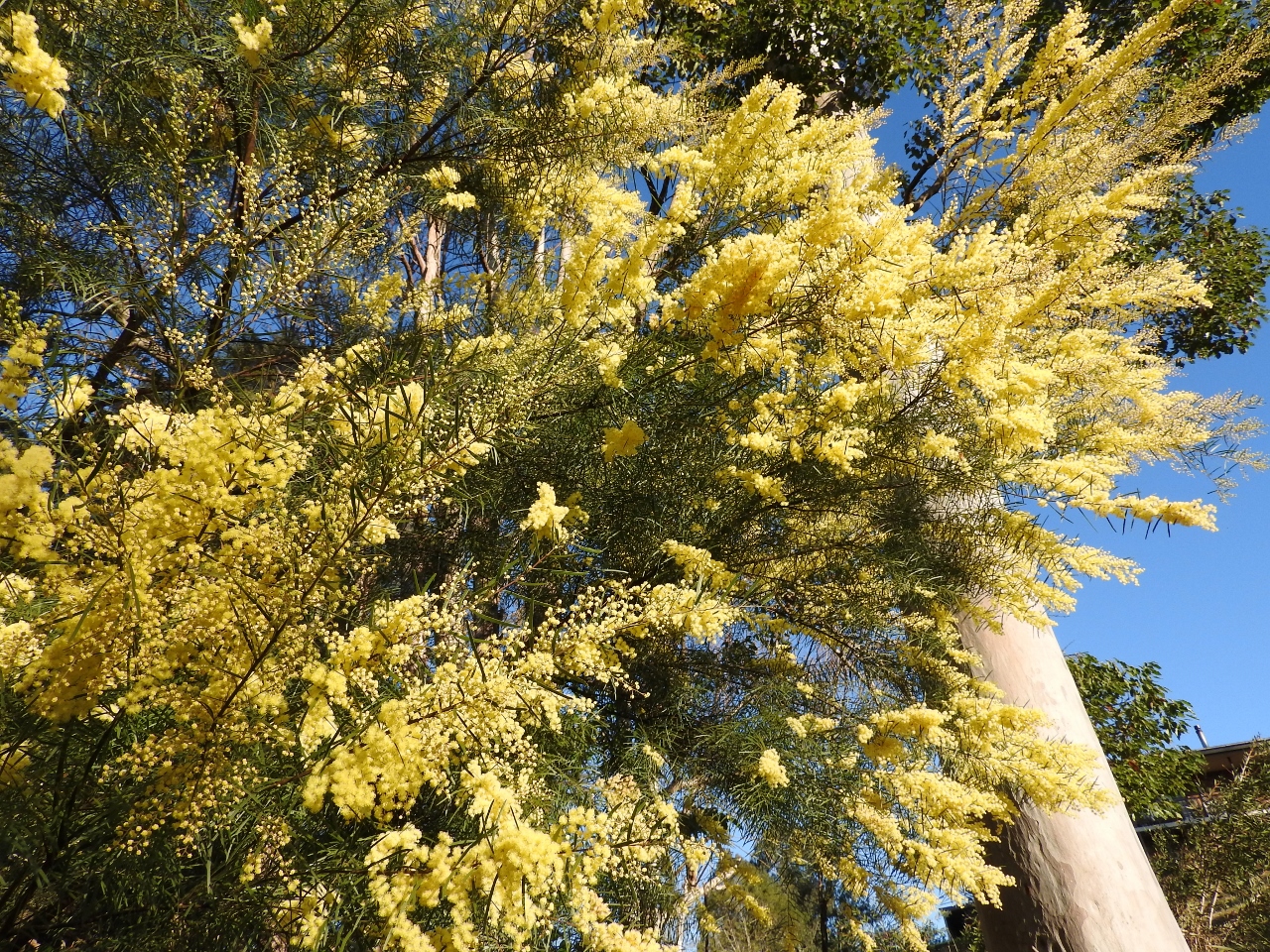
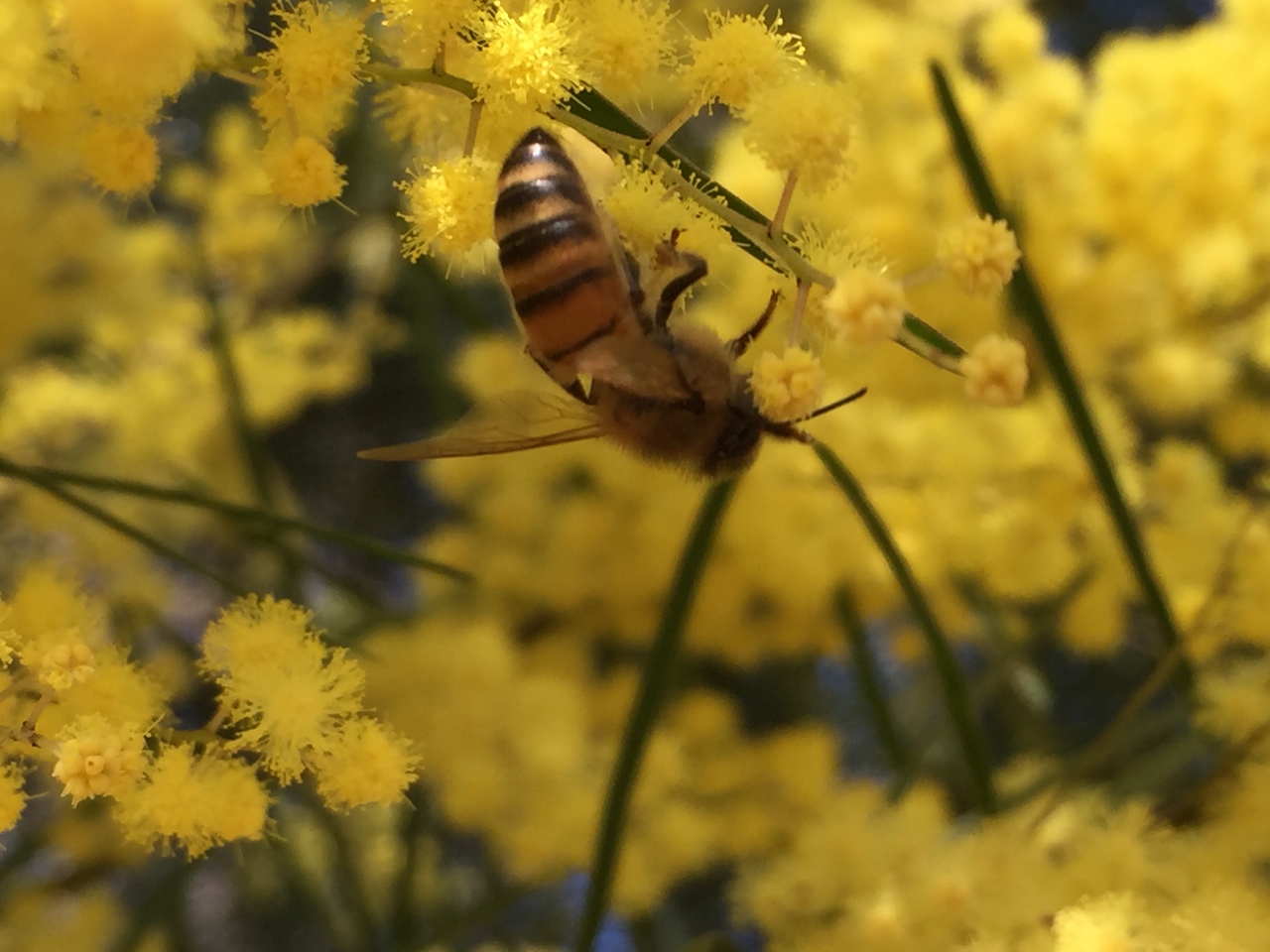
Now there’s just the smallest hint that Spring is not far away.  All over the valley the wattles (acacia) are blooming.

Our first National Wattle Day was held on the 1st of September 1910 as a way of promoting patriotism in our emerging nation. Un-patriotically, this year I’ll be in tea country high in the mountains of Sri Lanka, so I’m having my own little celebration now as my one and only wattle is putting on a spectacular show.

There are over 900 species native to Australia and I’m having a little trouble identifying mine.  I didn’t plant it and I suspect that it arrived via bird poo – and for once I am grateful – as it’s not a weed and smells and looks delightful.

It’s also providing bees with some winter sustenance, and on that subject … my native bees have so far survived the frosty weather emerging last Sunday to clean out their hive.  I can’t tell you how relieved I was to see them busily at work throwing out poo and dead bodies!

Bee Housekeeping …

Winter is here and my native Aussie bees have decided that it’s time to snooze in the warmth of their hive.  But being neat and highly organised creatures, they have to do the occasional spot of housekeeping, so now and then when the daytime temperature climbs to 20C they bring out the rubbish.

Their rubbish consists of a disgusting sticky mess of hundreds of little bee poos and the occasional dead body, all of which they throw from the entrance of the hive.


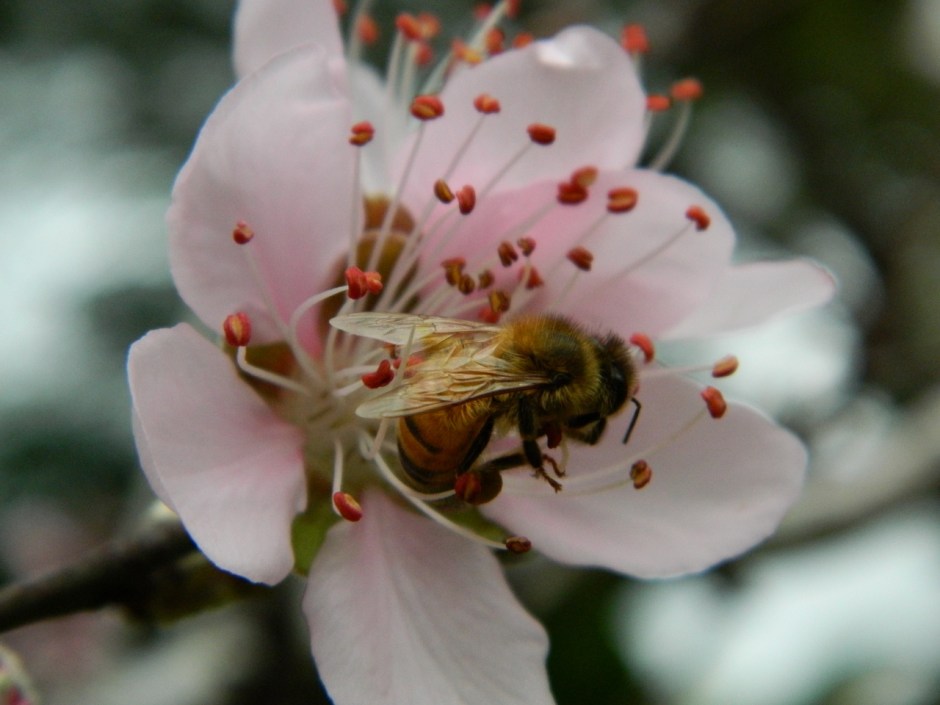
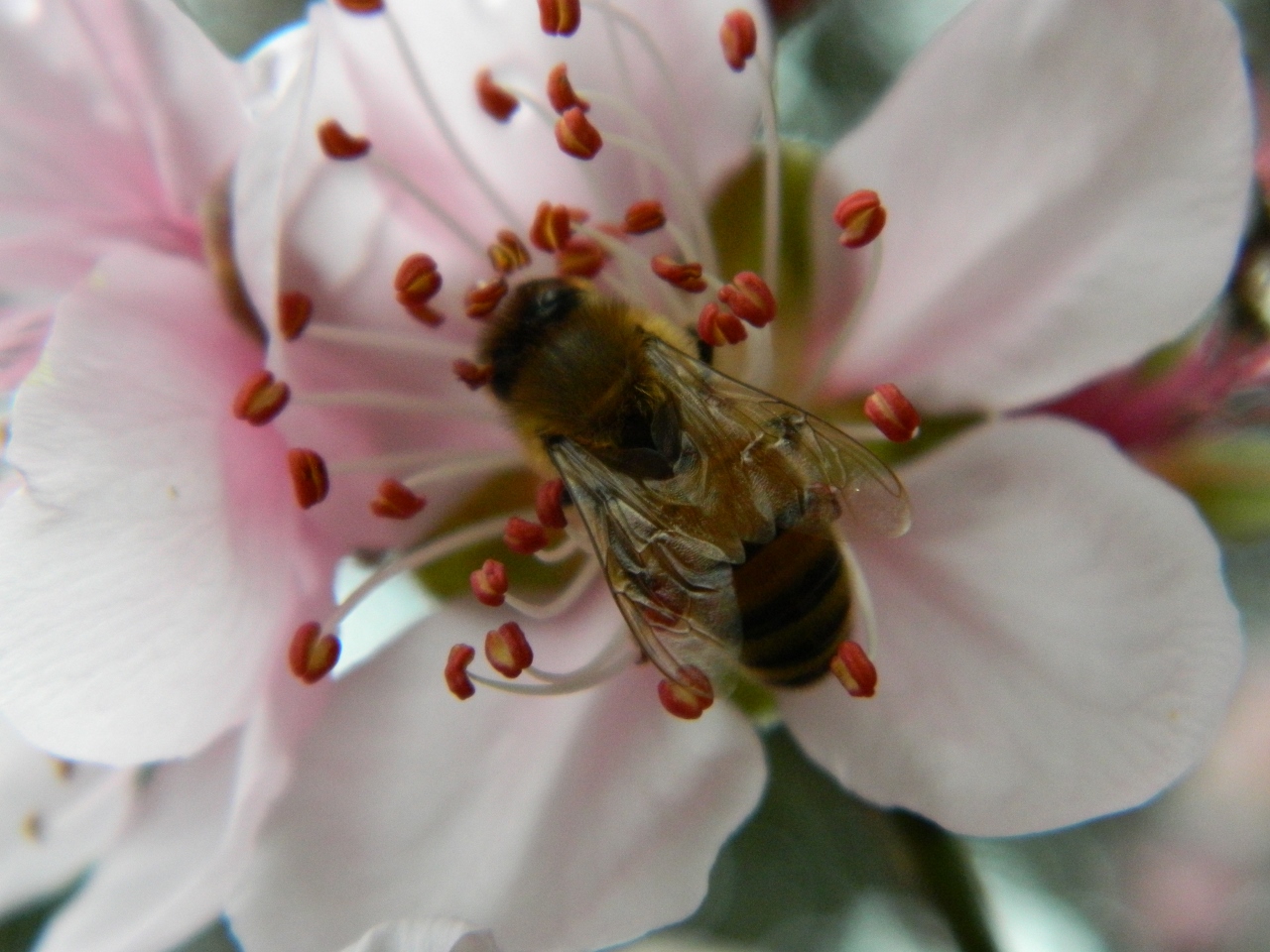
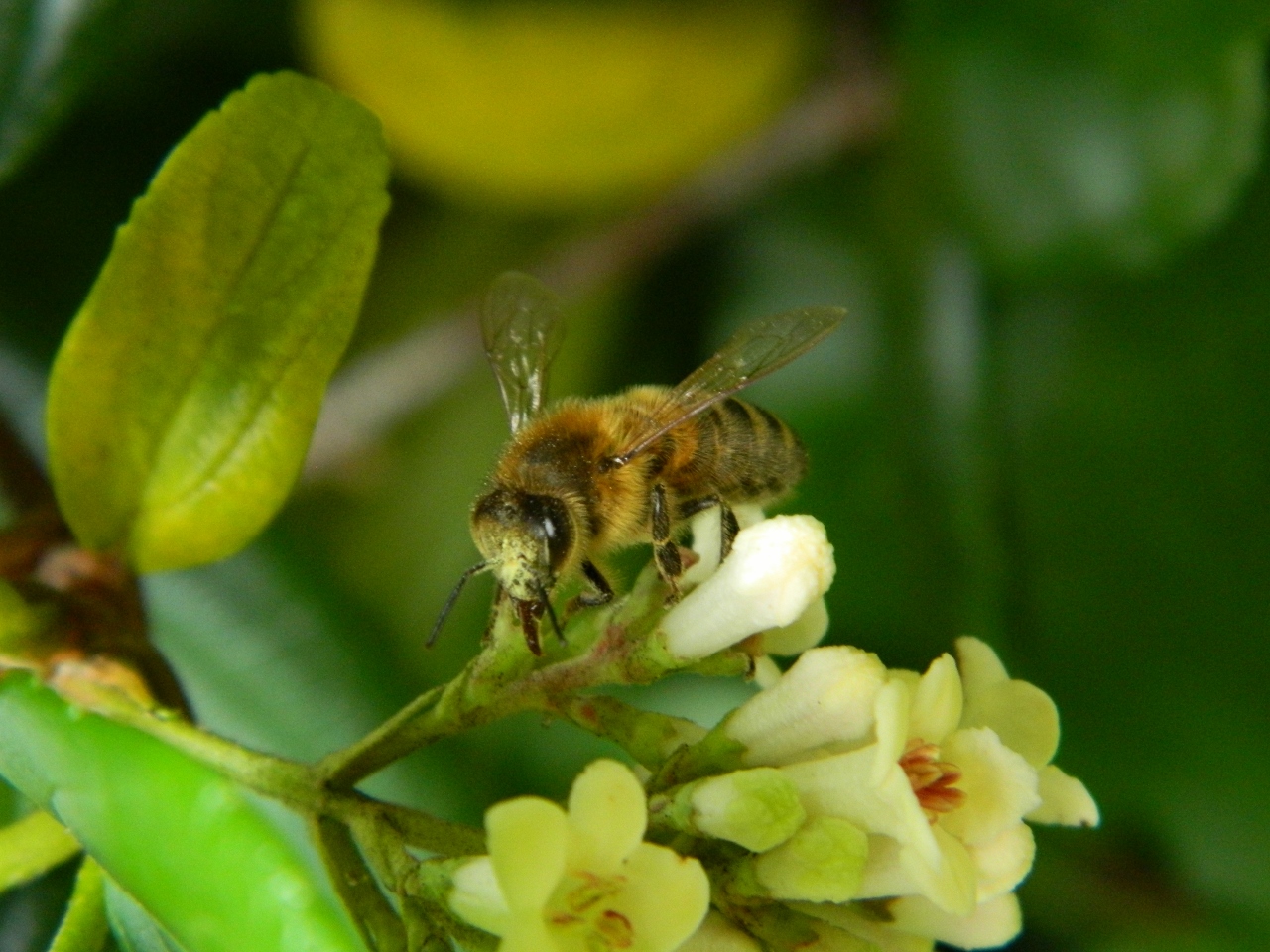
And while the native bees are sleeping on the job, their cousins the hardy European bees are still hard at work on viburnum and early apricot blossom.

Much more picturesque …

European bee on apricot blossom
European bee on Viburnum