Discovering bush lemons …

It’s that time of the year again.  When we intercept each other in the street and ask in a slightly desperate tone “Would you like some oranges, or lemons, or cumquats, or mandarins, or limes, or grapefruit ?”

We’ve all fed our citrus trees on cow poo, potash, blood and bone and garden lime two to four times a year and now we’ve been rewarded with a bumper crop.  The only trouble is, EVERYONE has a bumper crop, and no-one really NEEDS a bumper crop. All we really need is enough for a few pots of marmalade, preserved lemons or citrus butter.
DSCN7289 (1280x960)
Bush Lemons

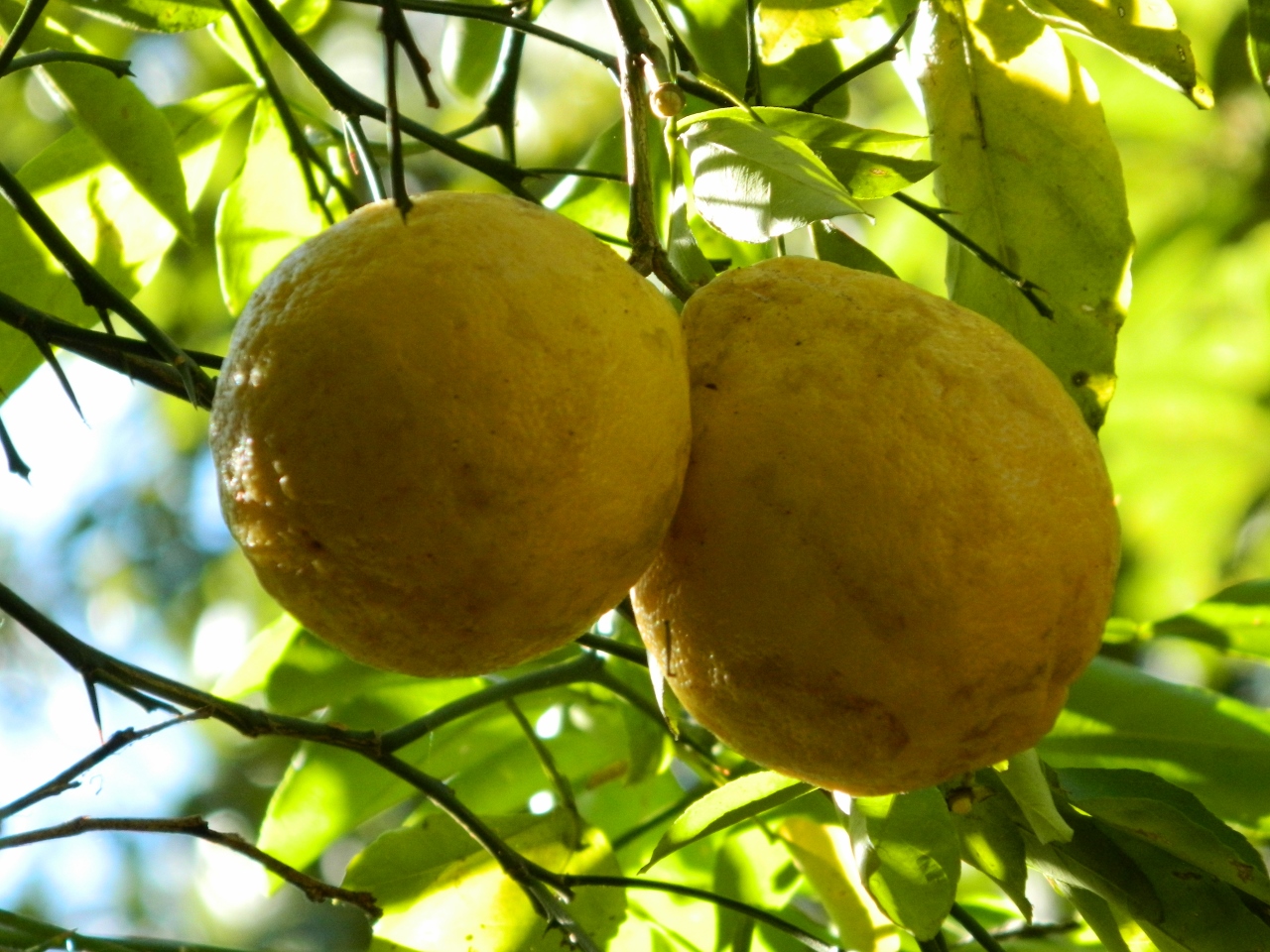
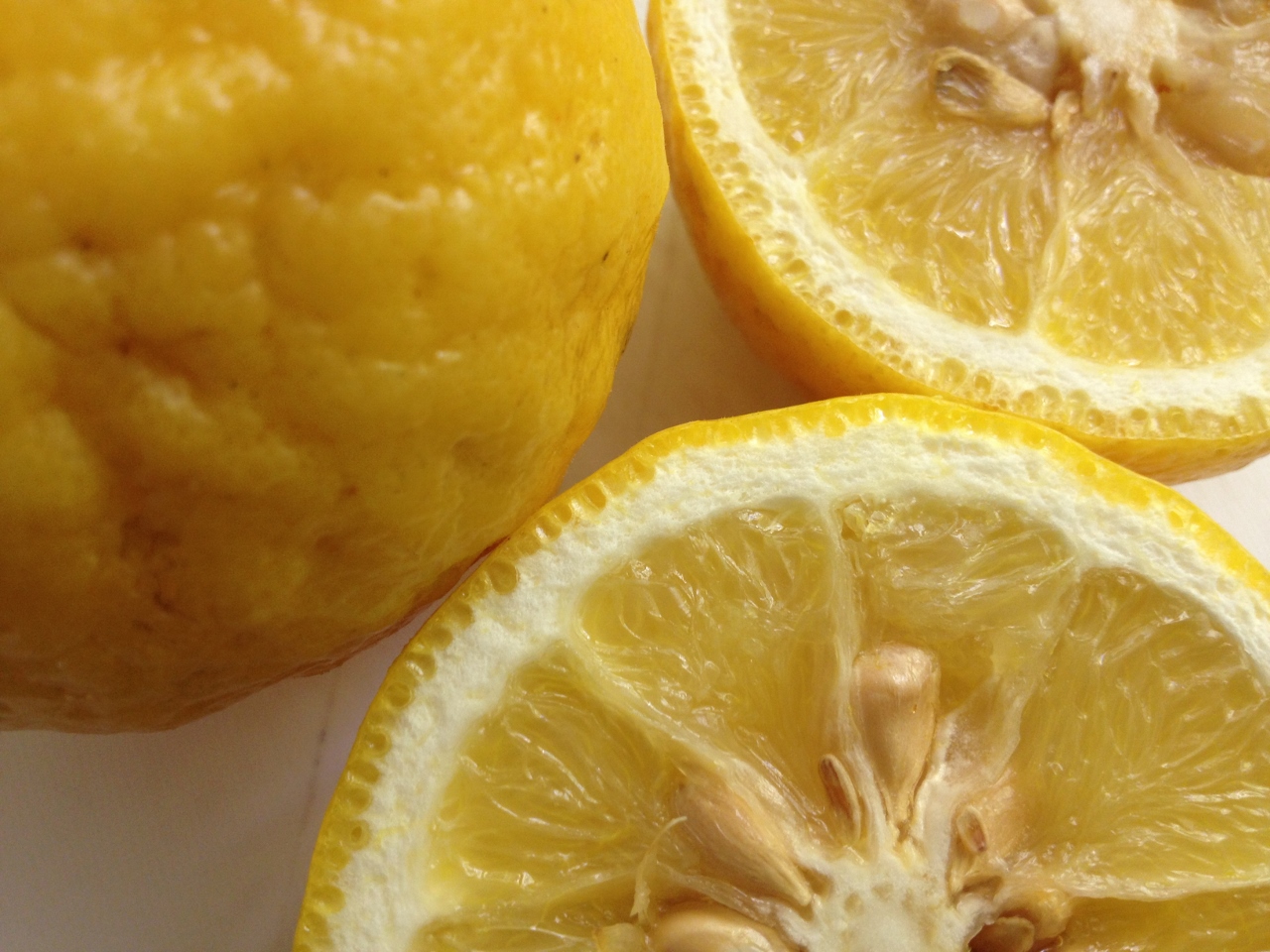
With all this overabundance, I could be excused for ignoring a small tree just visible in the bush at the back of my garden.  It turns out to be a naturalised lemon, what in Australia we call a bush lemon.  For “naturalised” read a bit feral, scruffy and covered in thorns.  Apparently they shoot from pips from cultivated lemons and pop up along waterways and near old homesteads.  They have a wonderfully scented nobbly skin, lots of pips and not much juice.
IMG_1932 (1280x960)

As the peel seems to be the best part, I’ve decided to make some preserved lemons and candied peel. I’ve varied the standard preserved lemon recipe by cutting the lemons into quarters which means that I can wedge lemon into every corner of the jar and I need less juice.  Hopefully this won’t affect the outcome. I’ll know in a month or two…
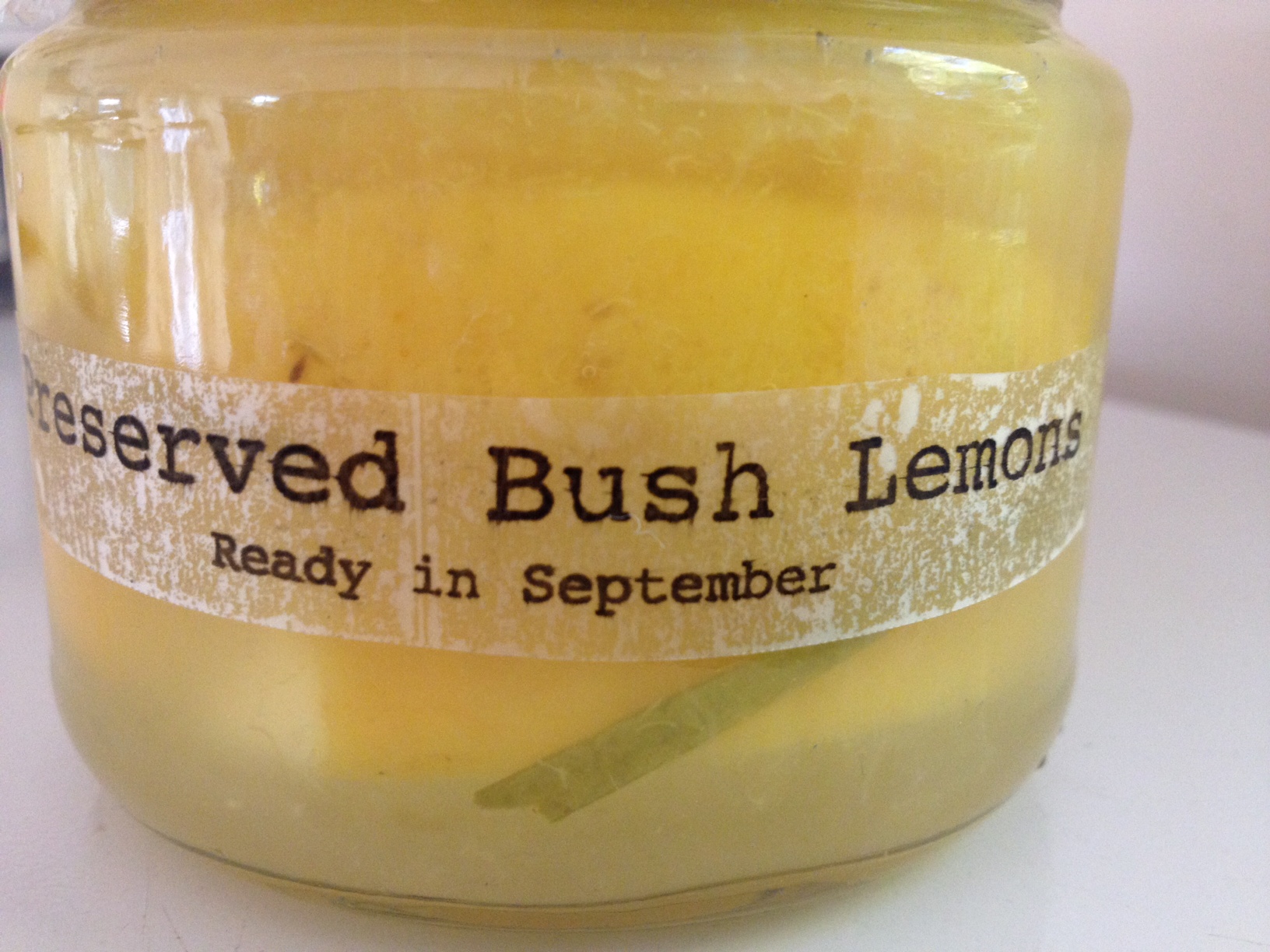
bush lemon


I might also try a vintage recipe – like this one from the Brisbane Courier Mail in June 1945 – which won Mrs Jeffs two shillings and sixpence.

Vintage Bush Lemon156


And … in recognition of the citrus glut, our local Bellopy Organic Market is starting a citrus festival – where people with an excess of citrus can set up stalls to sell their produce and win prizes. They can also sell their recipes and donate the proceeds to charity. Great idea, perhaps I’ll give the bush lemon tree a bit of manure and set up a stall next year!

Citrus Trail154 (905x1280)


I was once a serving wench …

Back in the Seventies, when I was saving for my first house, I was a serving wench in a German beer-hall restaurant in Hahndorf.  My uniform was a Dirndl, a frilly white blouse, an apron and a green felt hat.  … and that’s probably enough said about THAT!

It was a tough gig … all you could eat and drink for $20.00, with the inevitable messy consequences.  But I still remember the day that two “serving blokes” wearing Lederhosen and carrying an enormous flaming Bombe Alaska on their shoulders slipped as they trooped through the bar.  The lead serving bloke managed to duck as a huge metal platter shot over his head splattering burning meringue over the walls and floors like a sticky Molotov cocktail.
Some memories are just priceless!

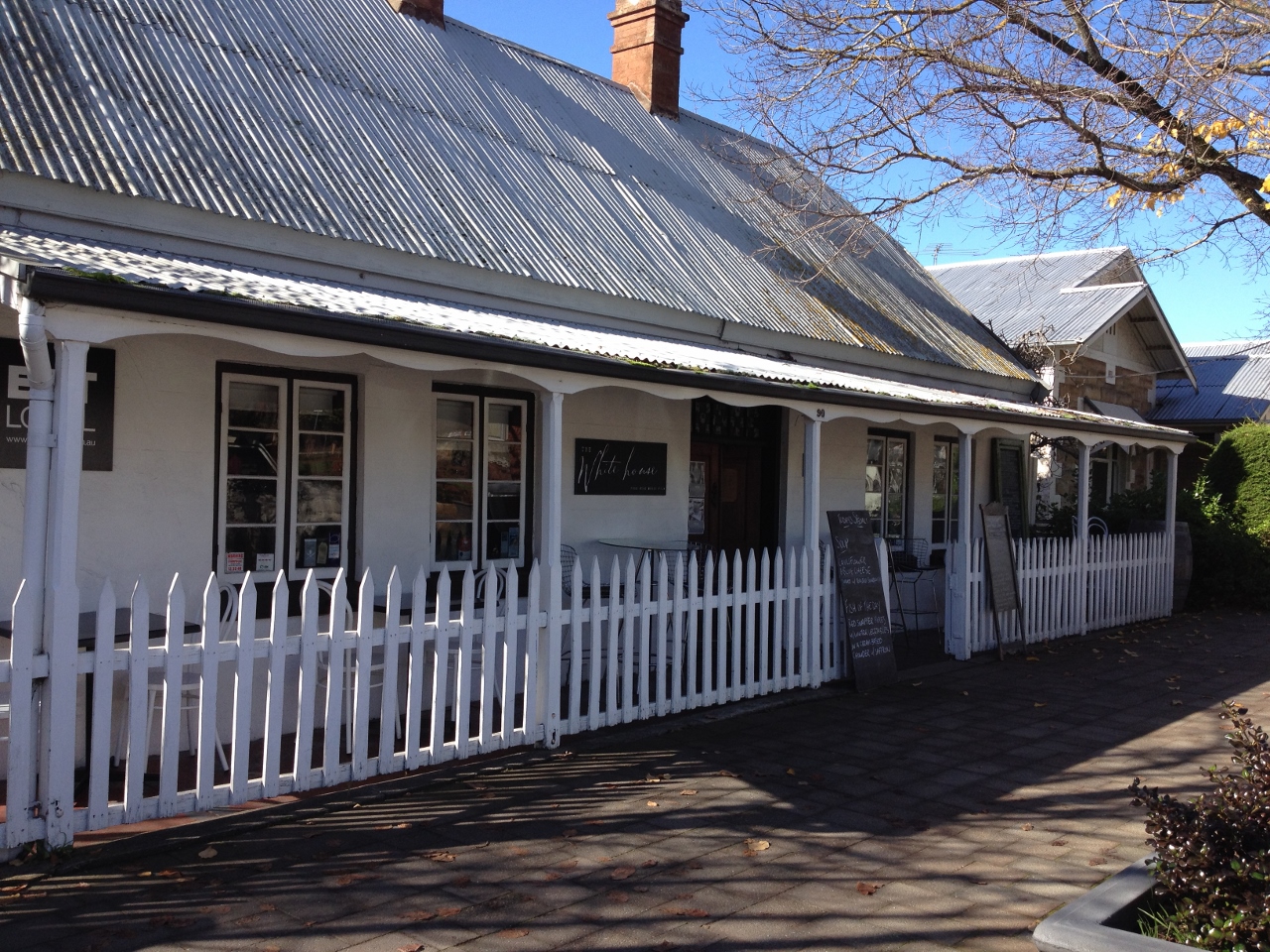
Anyway, it’s been many years since I visited Hahndorf, and whilst some things like the pseudo-Germanic cafes and tacky souvenir shops haven’t changed, dotted along the main road there are little gems that make a visit worthwhile.  Pretty little stone cottages built by German settlers, vineyards, quality craft shops and The White House.


IMG_1879 (1280x960)
The White House

The White House is a renovated heritage listed cottage – with not a trace of chintz, crochet or net curtains.  Score three points immediately.  More points for friendly and helpful staff, reasonably priced local wine and rustic, bistro style locally sourced food.  Add an open log-fire on a chilly 10C day and you have an all round enjoyable experience.

IMG_1885

We had a tasty lunch of Croque Monsieur (who doesn’t love Gruyère?) and a tender, tomato rich Lamb Ragout, and then finished the afternoon with a bit of shopping.  I came home with a new winter woolly made from merino and possum wools from New Zealand. (The Australian brush-tailed possum being an introduced pest which has no natural predators, and is decimating New Zealand’s native forests ) Just doing my bit and being ecologically responsible!

A micro problem …

Here’s one of my many wise sayings …

“It’s always a good idea to investigate unusual poo”

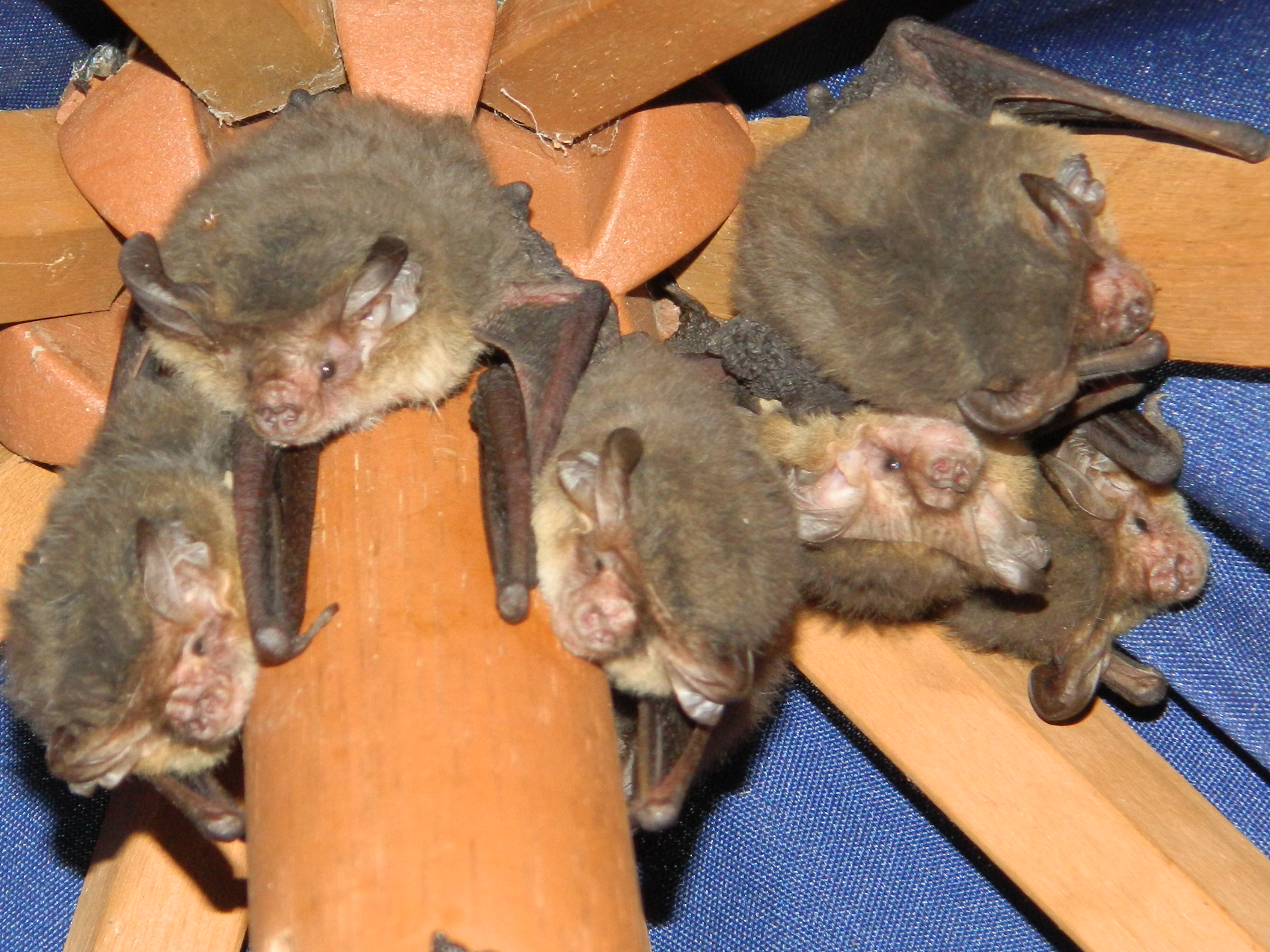
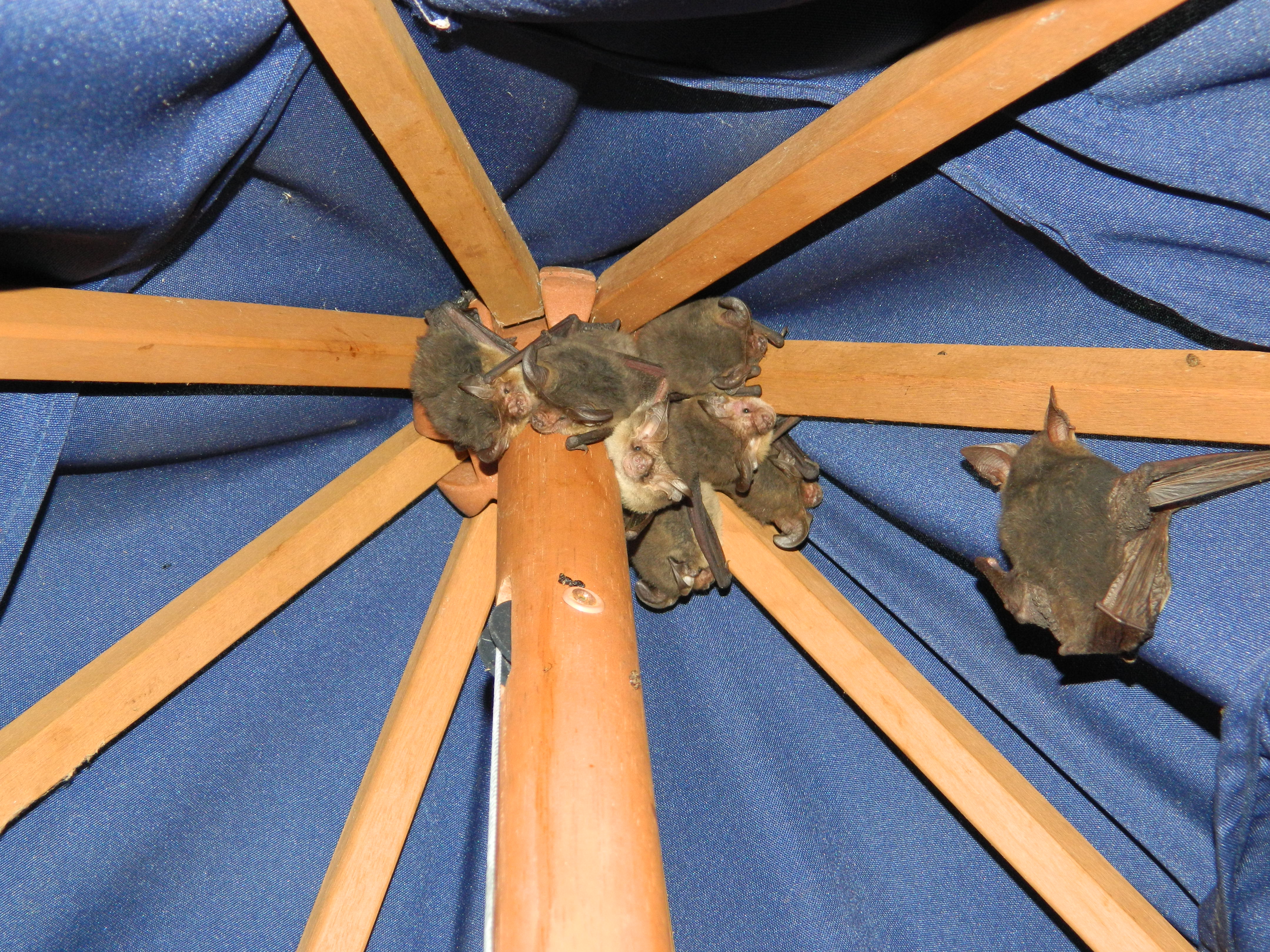
You want to be sure that you don’t mind sharing your house or garden with whatever expelled it.  So when I noticed some new poo at the base of my garden umbrella, I did just that.  I very carefully wound the umbrella open a few turns and stuck my head slowly up inside the folds.  There to my surprise I discovered a family of microbats.

RSCN7174
Possibly a Gould’s Long Eared Bat ?

I’ve heard of microbats and I know they live in the Bellinger Valley but I’ve never seen one before.  They are about the size of a large mouse, they have the most fearsome little faces (and teeth!), and they were not at all happy with me trying to take their photo.

Now this discovery poses a bit of a problem – microbats are classified as vulnerable due to loss of habitat and feeding grounds.  If they have decided that my blue umbrella is their new roosting spot, does this mean I have to buy another garden umbrella ??

DSCN7159

What to do with a Finger Lime ?

When I saw these at bellopy our local organic market I just had to buy them. Known as “citrus caviar”,  finger limes  are a native rainforest fruit with a similar taste to that of lime.  Inside are beautiful little pearls instead of pulp.  But once bought, what to do with them ?

DSCN6841 (1280x960)

Well obviously … my first thought was can use them in a cocktail ?  So I made up a lemongrass syrup, placed a teaspoon of finger lime pearls in each compartment of an ice-cube tray, filled the tray with the syrup, and froze it.
Voilà … you have a sort of finger lime bomb to put in your glass of bubbly or white wine.  As the ice-block melts, the pearls float gently to the surface.

DSCN6896 (960x1280)

Of course they would be a wonderful tangy garnish for fish, and I stirred some into lemon butter for something really different.

Finger Lime Cocktail Bombs

Make a simple sugar syrup using one part sugar to one part water, say …

250 ml sugar
250 ml water
2 stalks of lemongrass stripped of their outer layer and cut into 5 cm pieces
(If you don’t have lemongrass, you can use the zest of a lime)

In a high-sided saucepan over medium-high heat, bring cold water and sugar to a boil. Turn the heat to low, add the lemongrass pieces and stir constantly until the sugar dissolves completely and the mixture is clear, approximately 3 to 5 minutes.

After boiling, let the syrup cool to room temperature, remove the lemongrass pieces and then pour into a clean glass jar and store in the refrigerator. The syrup can be refrigerated for up to 6 months.

Cut the finger limes into quarters crossways not lengthwise, and squeeze the pearls gently out into a bowl.  Then place a teaspoon of the pearls into each compartment of an ice-block tray.  Fill each compartment with cooled sugar syrup and freeze.  When frozen, store the ice-blocks in a sealed container in the freezer ready for use.