The Stokes Bay Loo …

I suspect that not many bloggers write posts on public conveniences … most of them being either unremarkable or indescribable (the loos not the bloggers).  But the loo at Stokes Bay on the north coast of Kangaroo Island deserves a special mention.

At first glance, nothing unusual, just a conveniently placed beach loo.
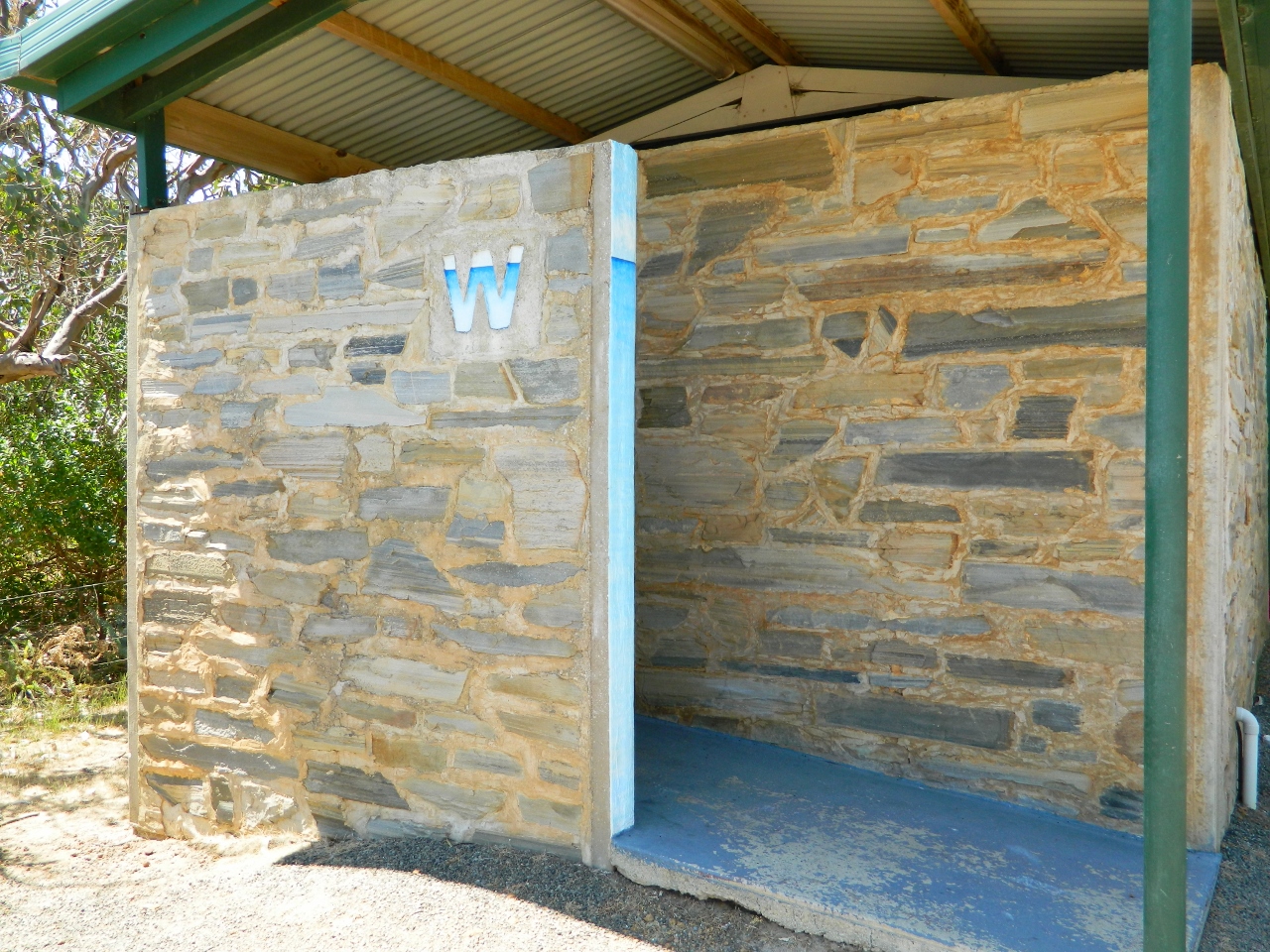
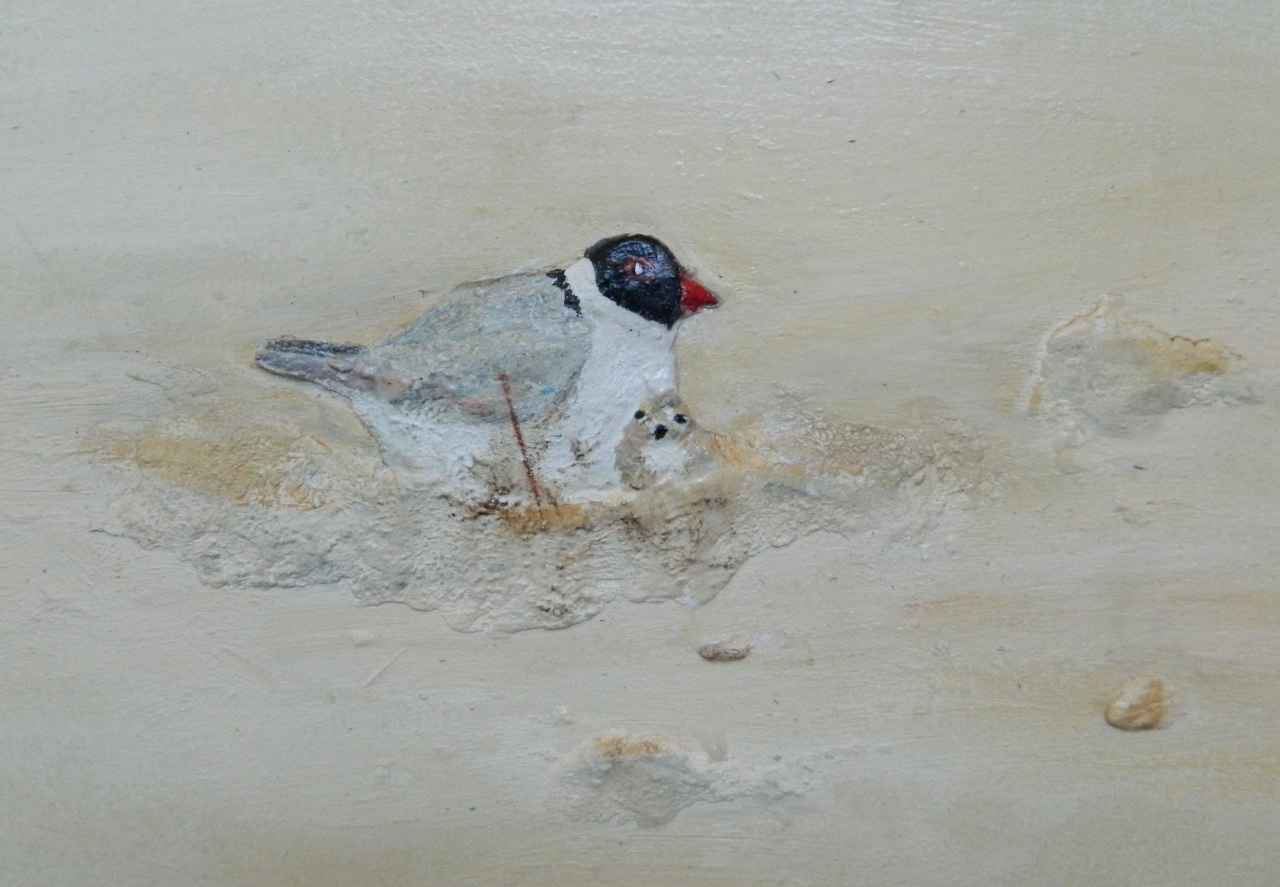
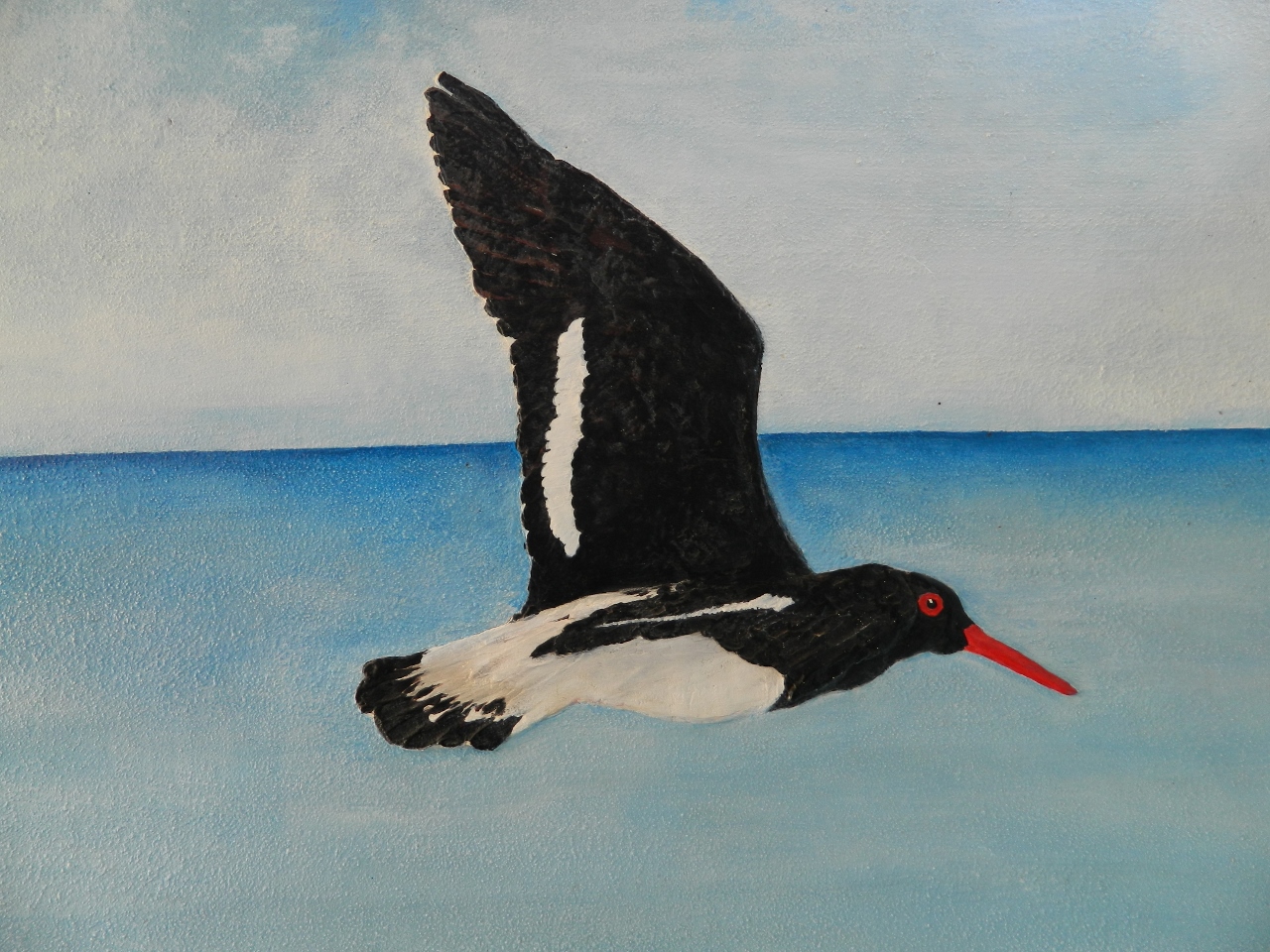
But a surprise awaits inside.  The walls being covered with a soft lime-wash in beach colours and beautiful relief sculptures …
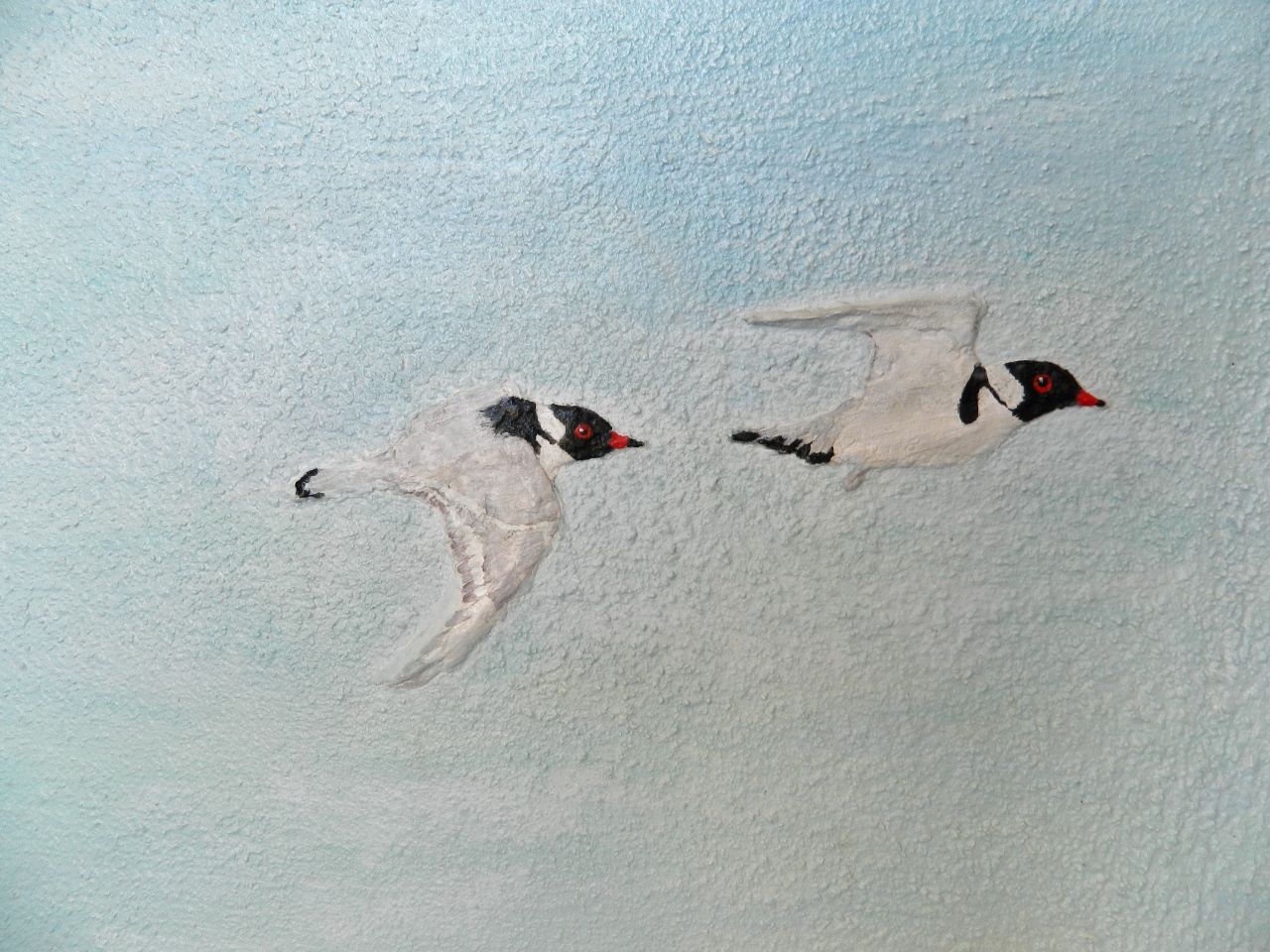
A bit of research uncovers that the project was part of Eco-Action’s BirdLife Australia Beach-Nesting Bird Project funded through the Federal Government’s “Caring for our Country”.  Two artists Gay De Mather and Lara Tilbrook spent a summer preparing the site and plastering and painting the walls.

The murals focus on the life of beach-nesting birds, Hooded and Red Capped Plover and Pied and Sooty Oyster Catchers, and the impacts that humans, dogs and predators have on them.

This is the first time that a public convenience has been the highlight of my sightseeing day.  Unfortunately it probably means that I will be visiting them on a more regular basis, whether I need to or not!

Island wildflowers …

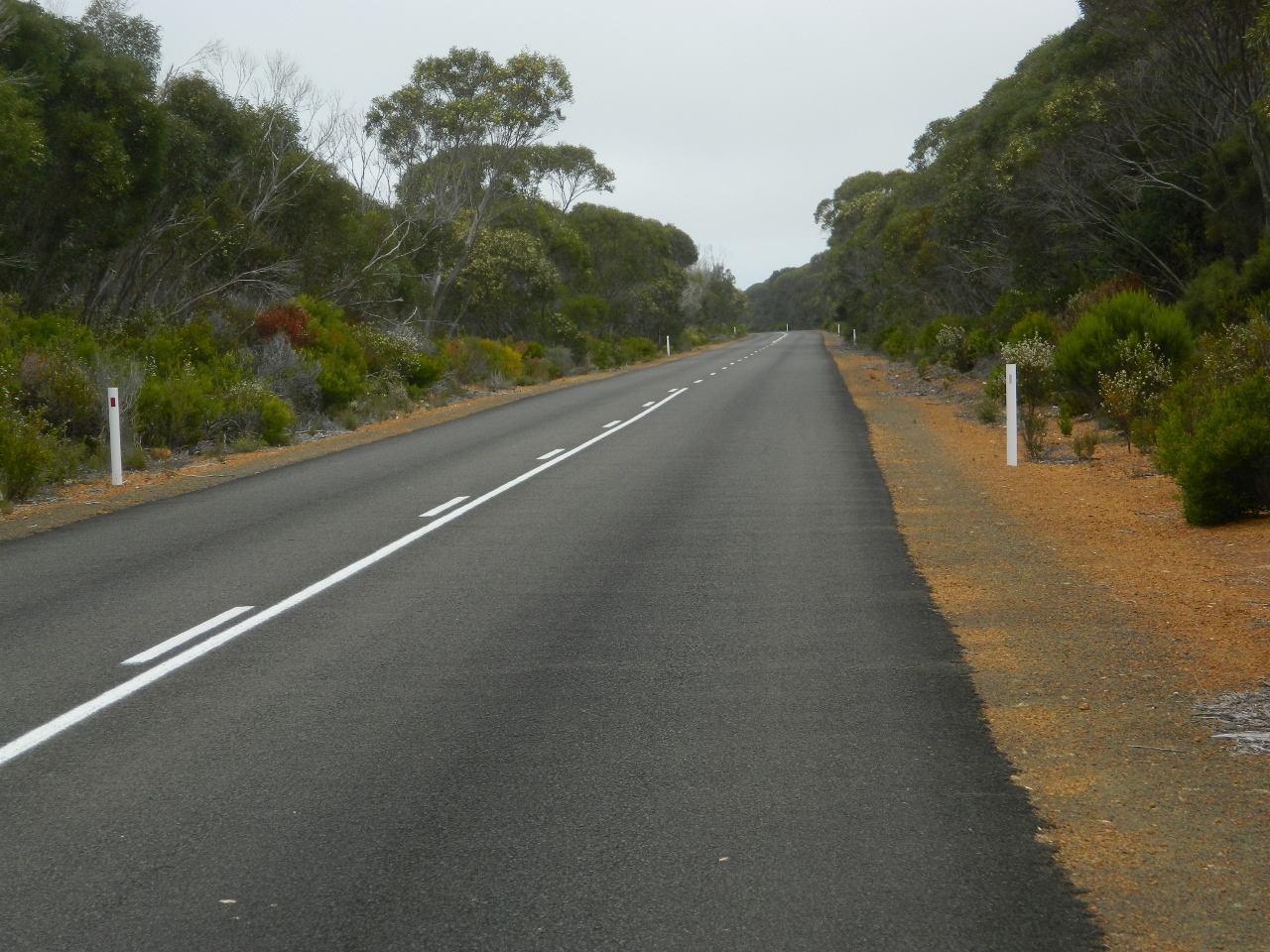
October is supposed to be the best month for wildflowers, which is mainly why we are back on Kangaroo Island.  At first, things looked a bit unpromising. Just dry, dusty un-remarkable scrubland on either side of the road.

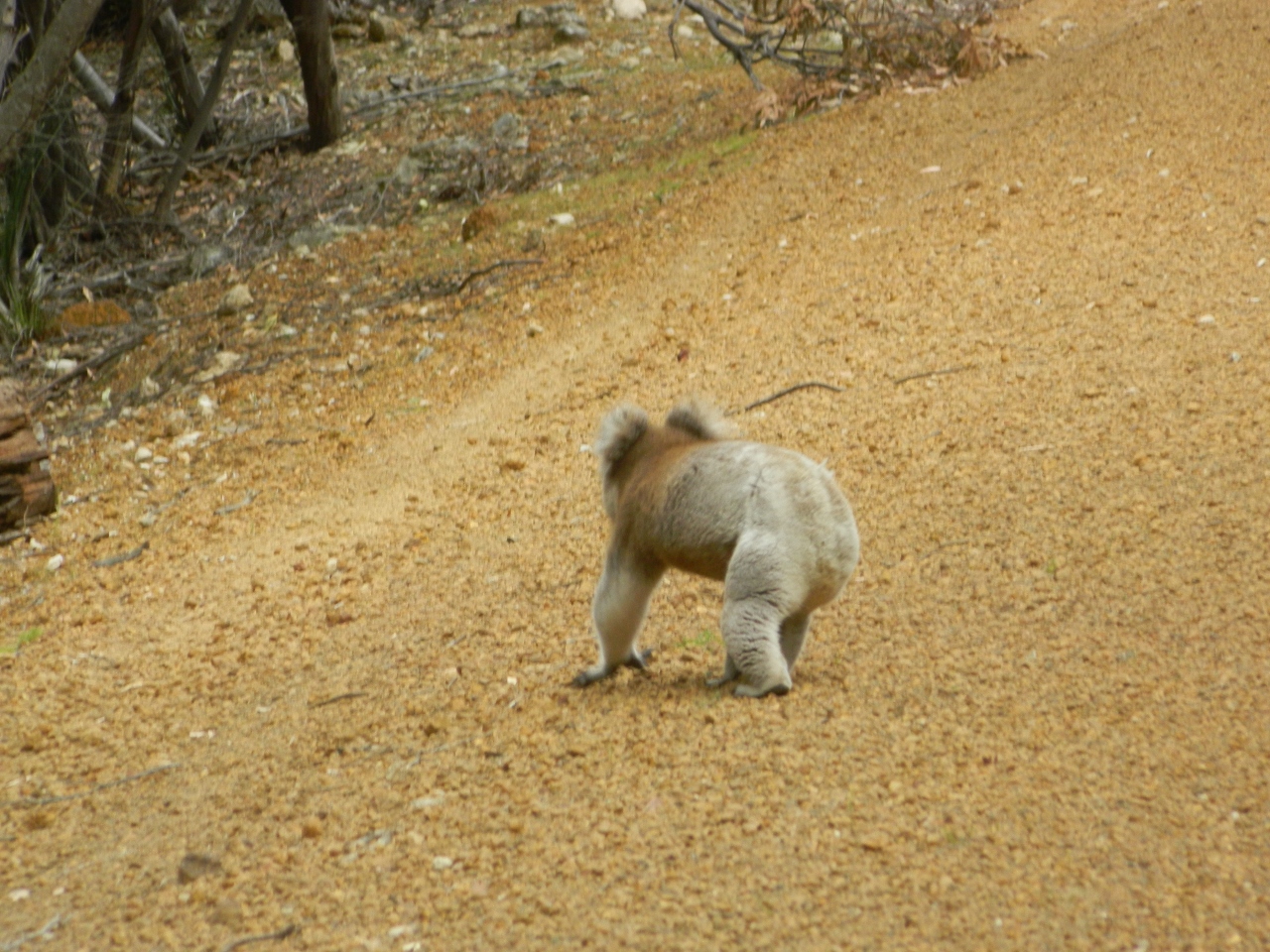
Then we spotted a koala, and pulled over to follow him into the bush …

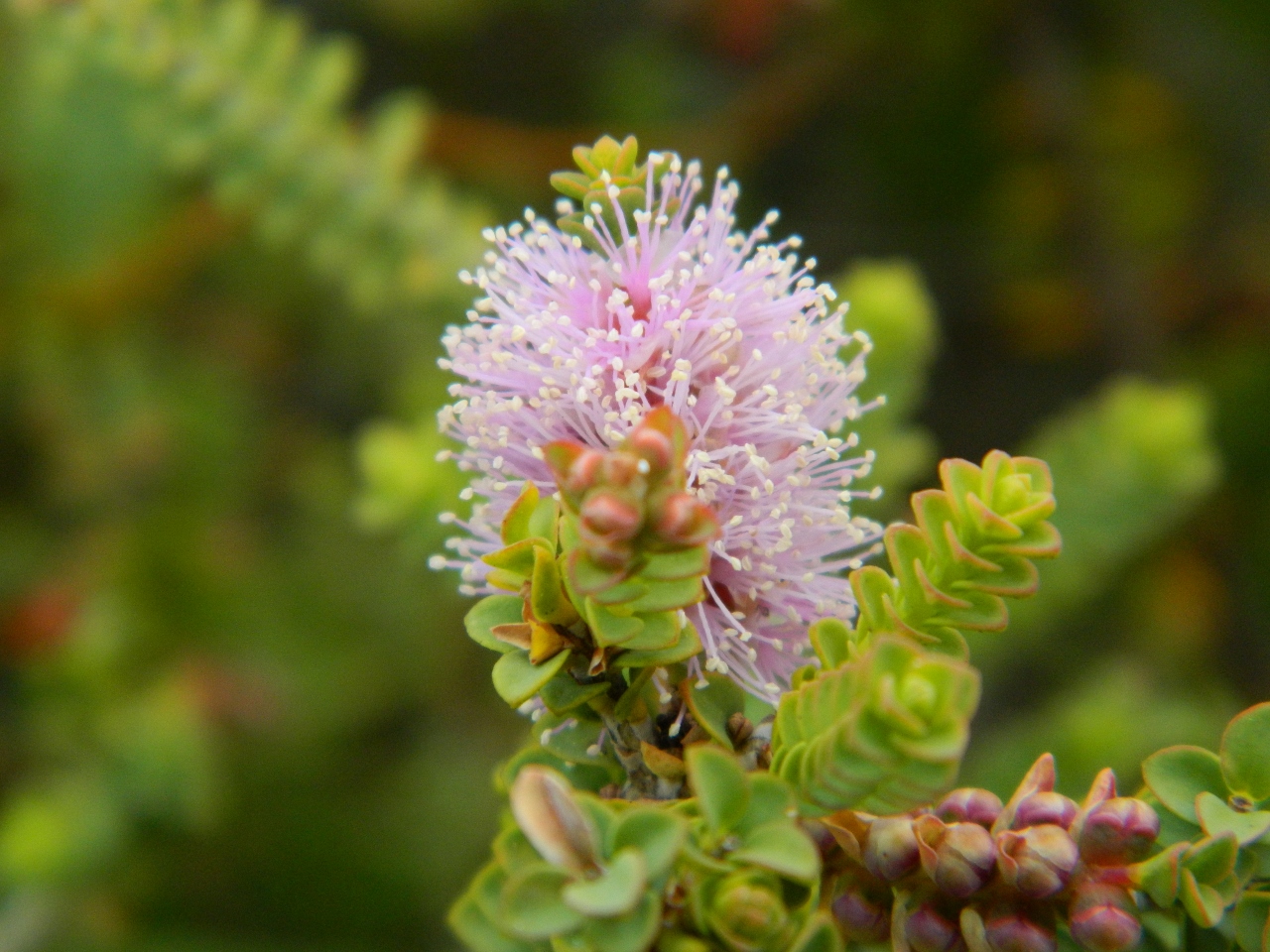
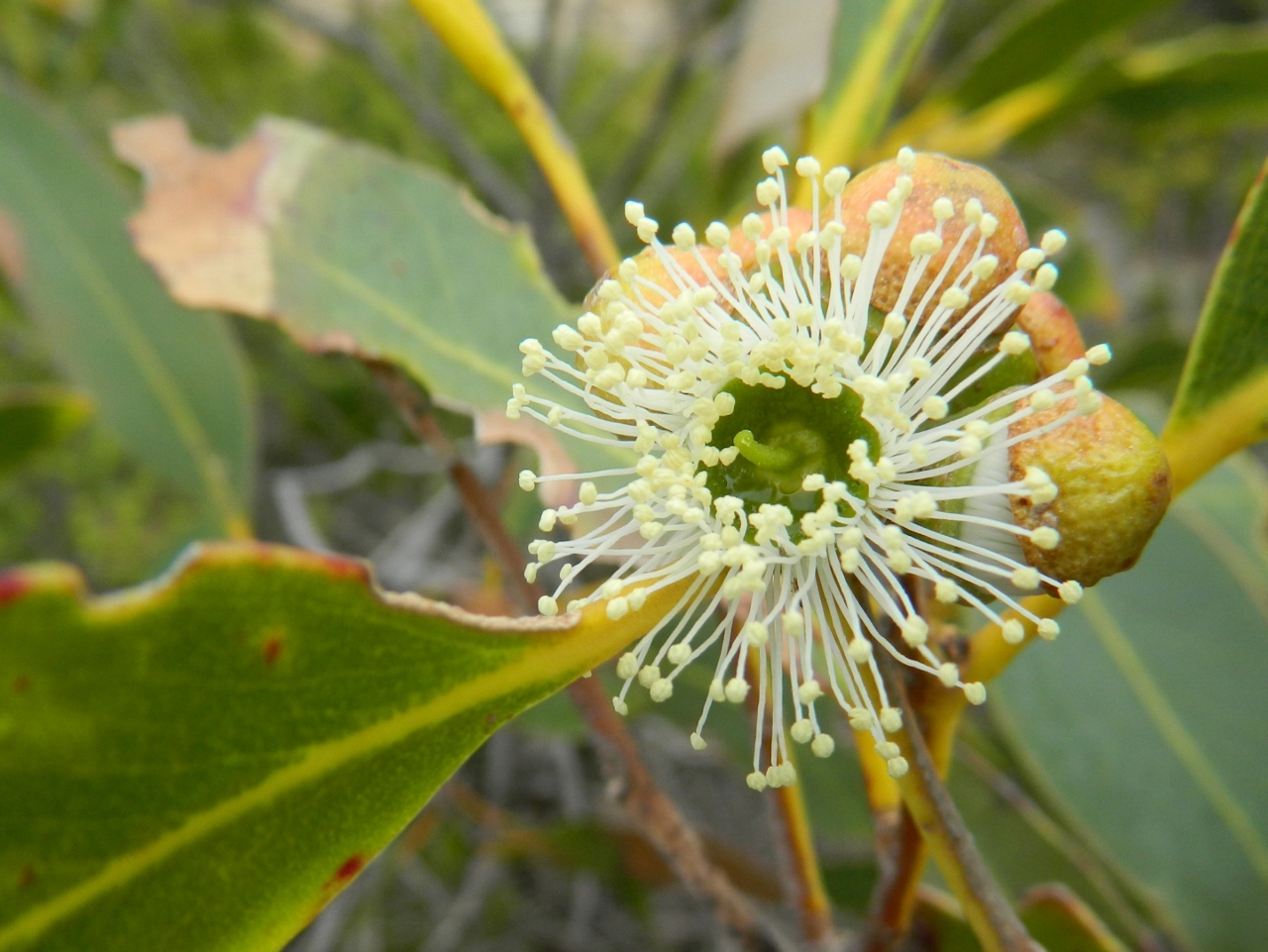
That was when we realised that we were actually surrounded by wildflowers. Not the expected drifts of colour, but hundreds of low growing inconspicuous plants covered in tiny flowers.

We lost count of how many varieties there were, but here is a small bouquet …

Lazy birdwatching …

I’ve been on a couple of bird-watching expeditions and had a great time. I remember being particularly impressed with a National Parks & Wildlife ranger who produced a freshly baked cake and a coffee plunger from the back of his car!  But I hate ticks and leeches, and my distance eye-sight is not the best, so I’ve decided that traipsing through the bush hoping for a momentary glimpse of a disappearing drongo is not for me.

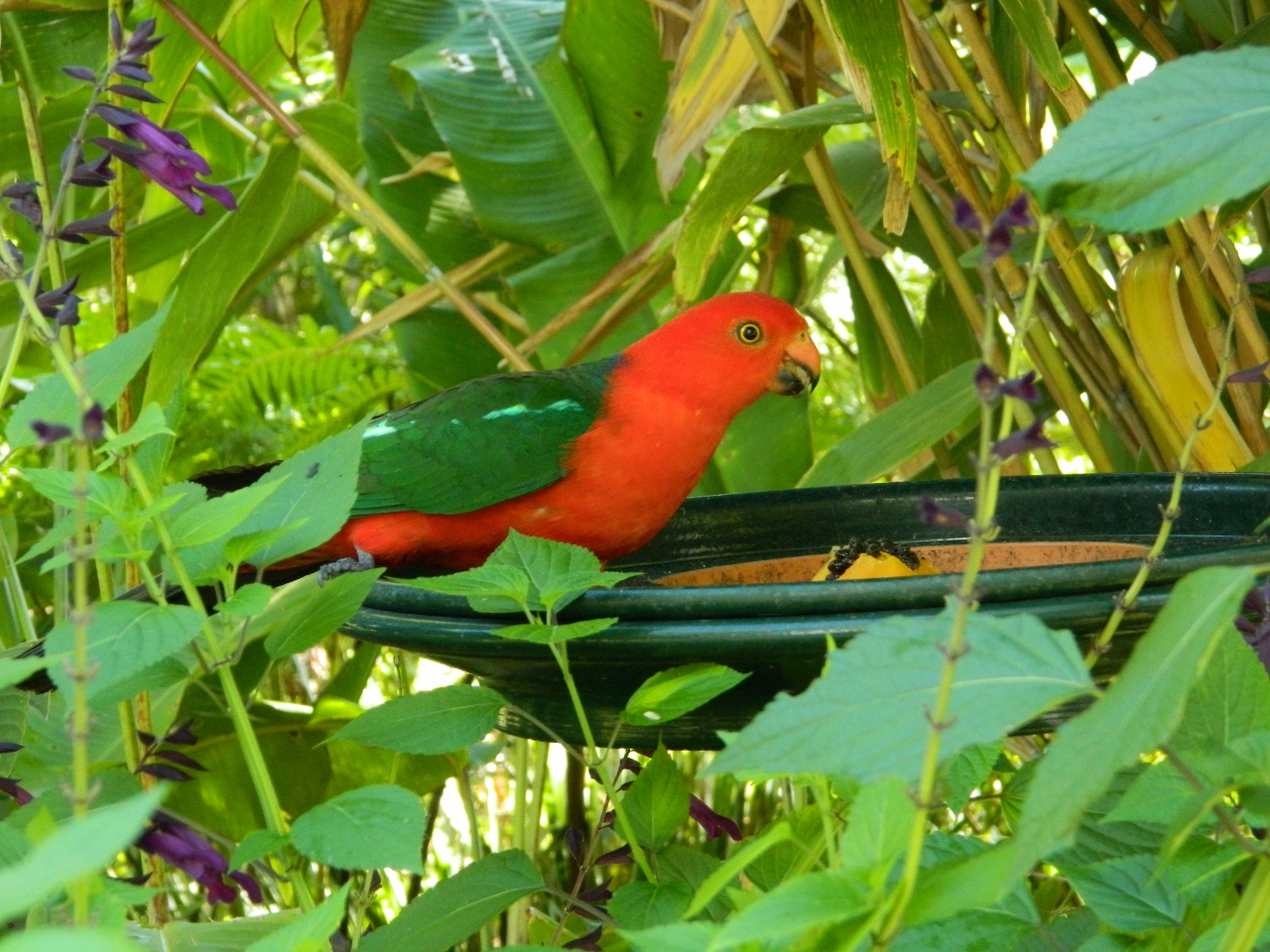
Much better that I set up my garden as an oasis for birds, with plenty of water, native flowering plants and small snacks. That way I can sit on the veranda with a coffee (or a glass of wine), a camera and my bird book and wait for the birds to come to me.

DSCN7747 (1280x960)


Yes it’s lazy, and so far it’s working quite well. On a hot day, there’s a queue of birds waiting for their turn in the bird bath.  You’ll have to take my word for it that this is a Satin Bowerbird …

DSC_0130 (1280x855)
Satin Bowerbird taking a bath


And there’s a constant procession of birds dropping in at the feeder to check if there is anything there that they fancy.  Sometimes it’s a bit of paw-paw, a piece of bread (wholegrain of course!), a sprinkling of seeds, a dead bug or a piece of sweet corn – not enough to make them dependent though.

As of today the count is at 34 confirmed species, and a few manic birds who won’t stay still long enough for me to identify them let alone take a photo. Visit my Bird Gallery which I update as I identify new bird species.

DSCN7744 (1280x960)


Bee-witched by native bees …

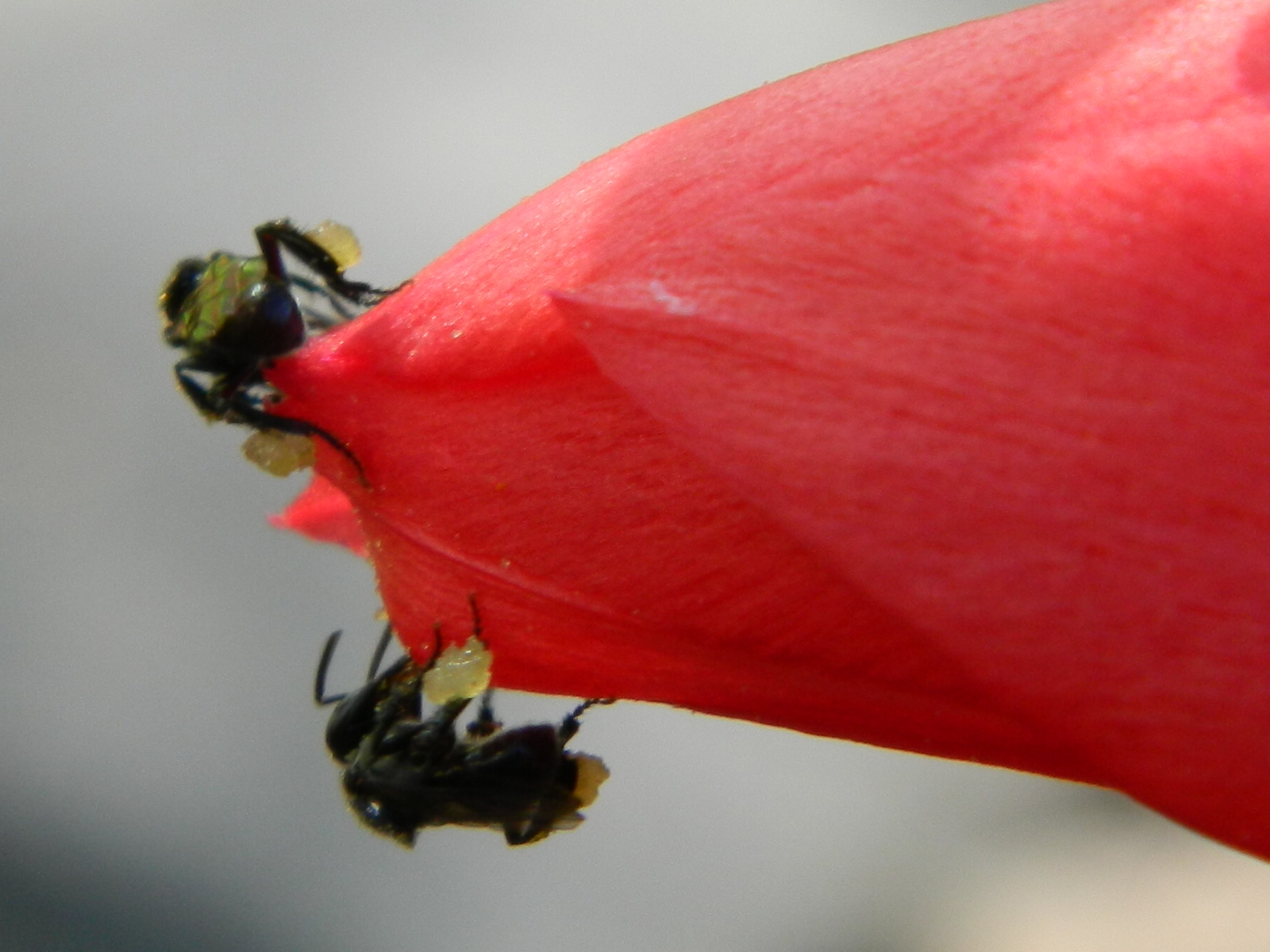
Last summer I spent quite a bit of time following bees around the garden with my camera,  (Yes, I know, get a life!) and I became a little obsessed with them.

RSCN7195
Native bees in my garden

So I was quite excited when I heard that there was to be a one-day native bee workshop in Bellingen.  It’s hard to imagine that such a small town could draw a crowd of thirty enthusiastic people, each prepared to pay $50, bring their own group lunch and to sit and listen to hours of bee facts, but that’s exactly what happened yesterday.

I won’t bore you with too many facts but, these tiny creatures, less than 5mm long, don’t sting, they pollinate our plants, they don’t abscond in a swarm, and their honey has strong antibacterial properties.  There are only two problems … they don’t make much honey, so if you are a big honey eater you’ll need a few hives, and they only survive in pan-tropical climates.

DSCN7914 (1280x960)
Honey dripping from the hive

Our enthusiasm grew as the day progressed and we watched as hives were split and honey drained. The workshop finished with a taste of native bee honey drizzled over vanilla ice-cream.  The light citrus flavour of the honey was a delicious contrast to the richness of the ice-cream.  That was when I decided that  I just HAD to have a hive.  A Christmas present from me to my garden.

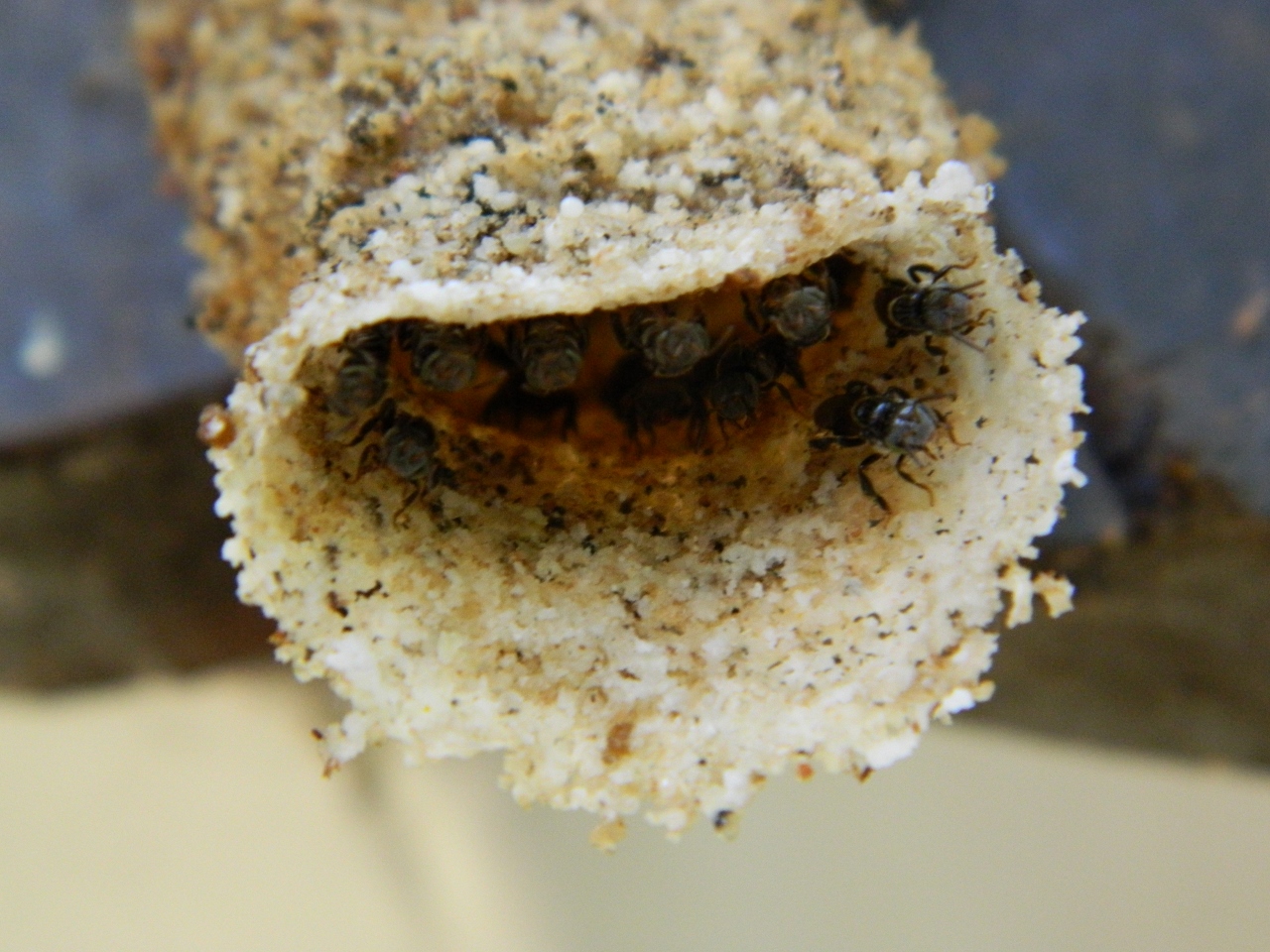
And … interestingly, I now realise that when I was in Sri Lanka I photographed a native bee hive near the beach at Mirissa.

DSCN4694 (1280x960)
Sri Lankan native bees?