Bee-witched by native bees …

Last summer I spent quite a bit of time following bees around the garden with my camera,  (Yes, I know, get a life!) and I became a little obsessed with them.
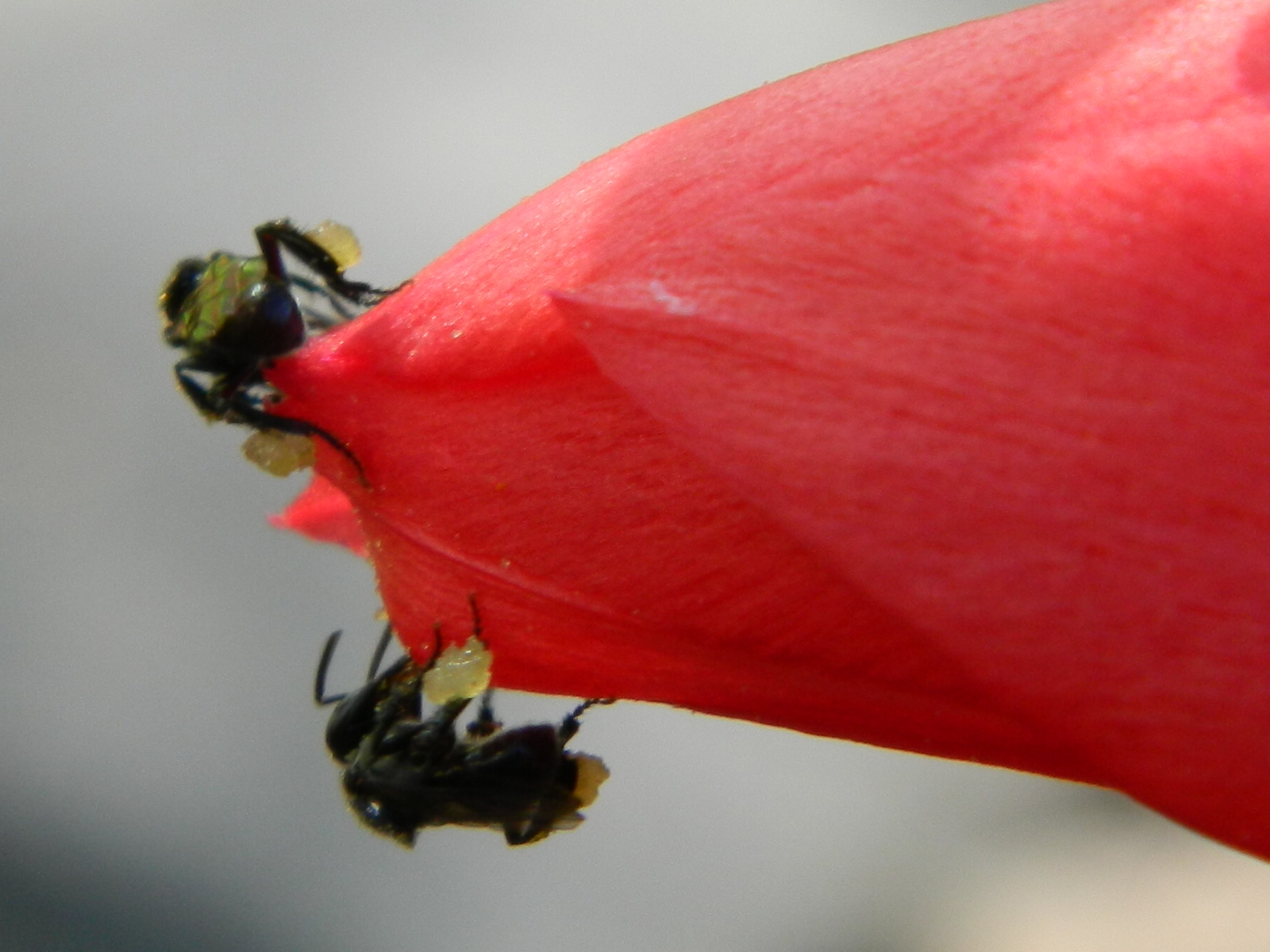
RSCN7195
Native bees in my garden

So I was quite excited when I heard that there was to be a one-day native bee workshop in Bellingen.  It’s hard to imagine that such a small town could draw a crowd of thirty enthusiastic people, each prepared to pay $50, bring their own group lunch and to sit and listen to hours of bee facts, but that’s exactly what happened yesterday.

I won’t bore you with too many facts but, these tiny creatures, less than 5mm long, don’t sting, they pollinate our plants, they don’t abscond in a swarm, and their honey has strong antibacterial properties.  There are only two problems … they don’t make much honey, so if you are a big honey eater you’ll need a few hives, and they only survive in pan-tropical climates.

DSCN7914 (1280x960)
Honey dripping from the hive

Our enthusiasm grew as the day progressed and we watched as hives were split and honey drained. The workshop finished with a taste of native bee honey drizzled over vanilla ice-cream.  The light citrus flavour of the honey was a delicious contrast to the richness of the ice-cream.  That was when I decided that  I just HAD to have a hive.  A Christmas present from me to my garden.

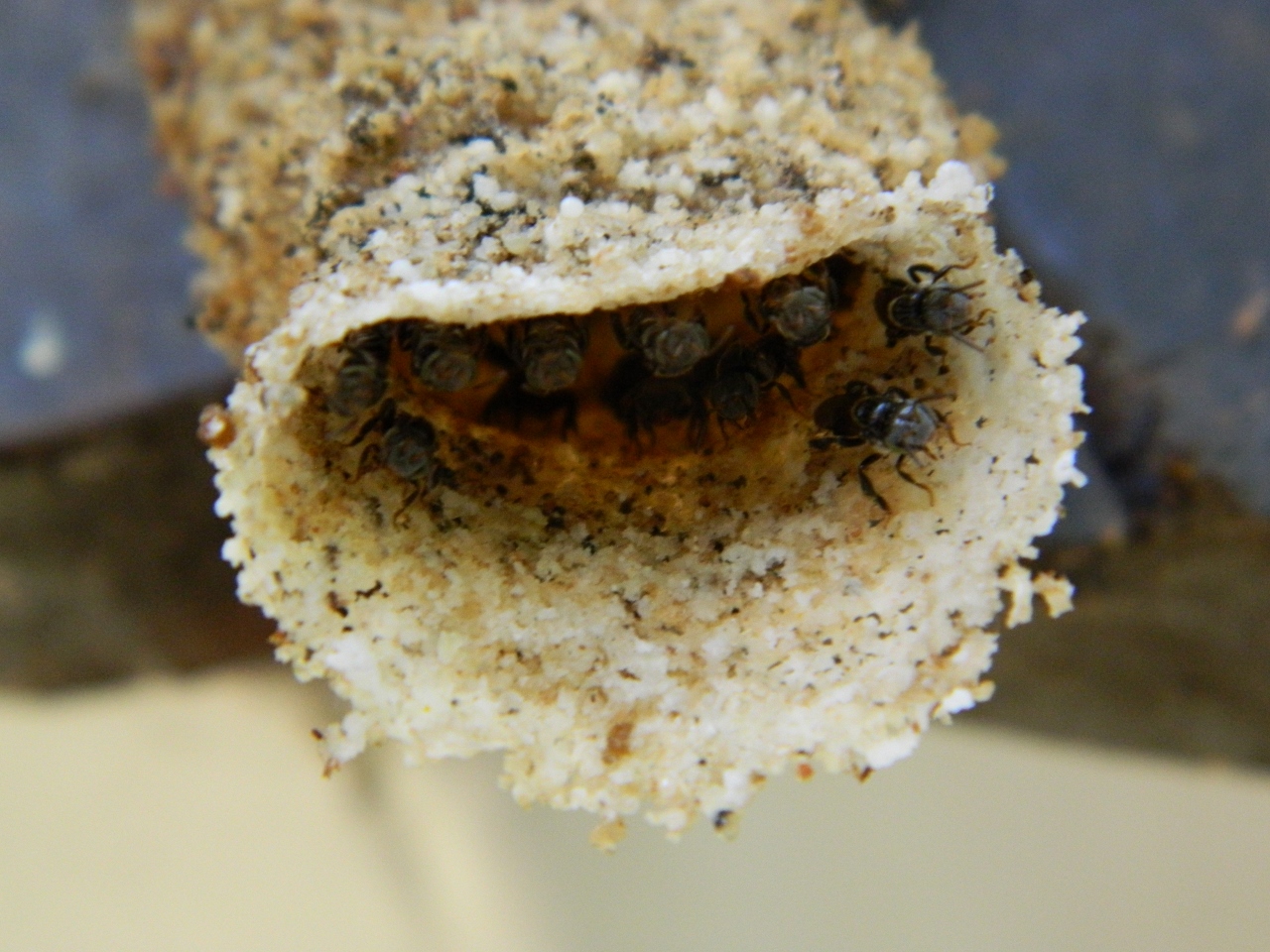
And … interestingly, I now realise that when I was in Sri Lanka I photographed a native bee hive near the beach at Mirissa.
DSCN4694 (1280x960)
Sri Lankan native bees?


A sustainable Sunday …

DSCN6141 (1280x960)
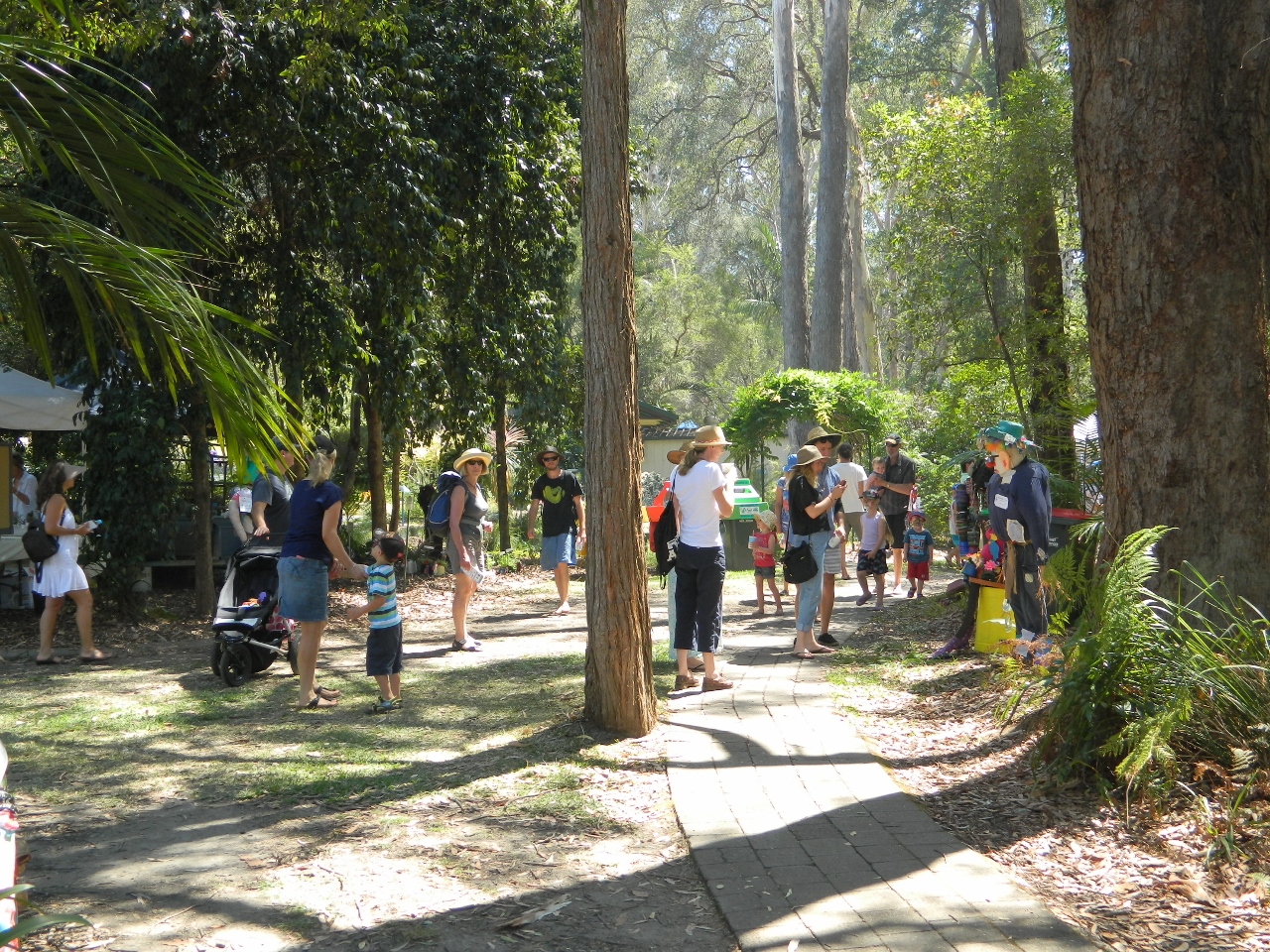
Crowds at the Botanic Gardens

According to Steve Maginnity, stingless Australian native bees are more laid-back than their busy European counterparts.  They won’t work when the temperature is under 15C or over 35C.  They don’t swarm aimlessly, rather they send out scouts to locate and prepare a suitable new nest.  And instead of supplying the larvae continuously with food, they seal the egg in a cell with pollen and honey and the larvae just eats its way out. She’ll be right mate !!

All this and more I learnt at the Botanica Fair, part of the Coffs Coast Sustainable Living Festival which was opened on Sunday by the hugely enthusiastic and hirsute (or is that hugely hirsute and enthusiastic ?) Costa Georgiadis of ABC Gardening Australia fame.

A Bush Tucker walk along Coffs Creek with Ranger (and comedian in disguise) Mark Flanders, a member of the local Gumbaynggir tribe, convinced me that no-one would ever get fat on an indigenous diet. And all that hunting and gathering certainly worked up an appetite for some carbohydrate-rich locally grown food … Thai chicken satay, raspberry sorbet and organic coffee.  Oh well, at least the food miles were low !!

Now back to the bees … it seems that I have everything I need to induce solitary bees to nest in my garden.  Bamboo prunings, left-over lumps of renovation timber and a drill with three or four different sized drill bits. Yet another project to add to the list.