It’s no larking matter …

This is what the edge of my pond usually looks like, all frog and insect friendly …
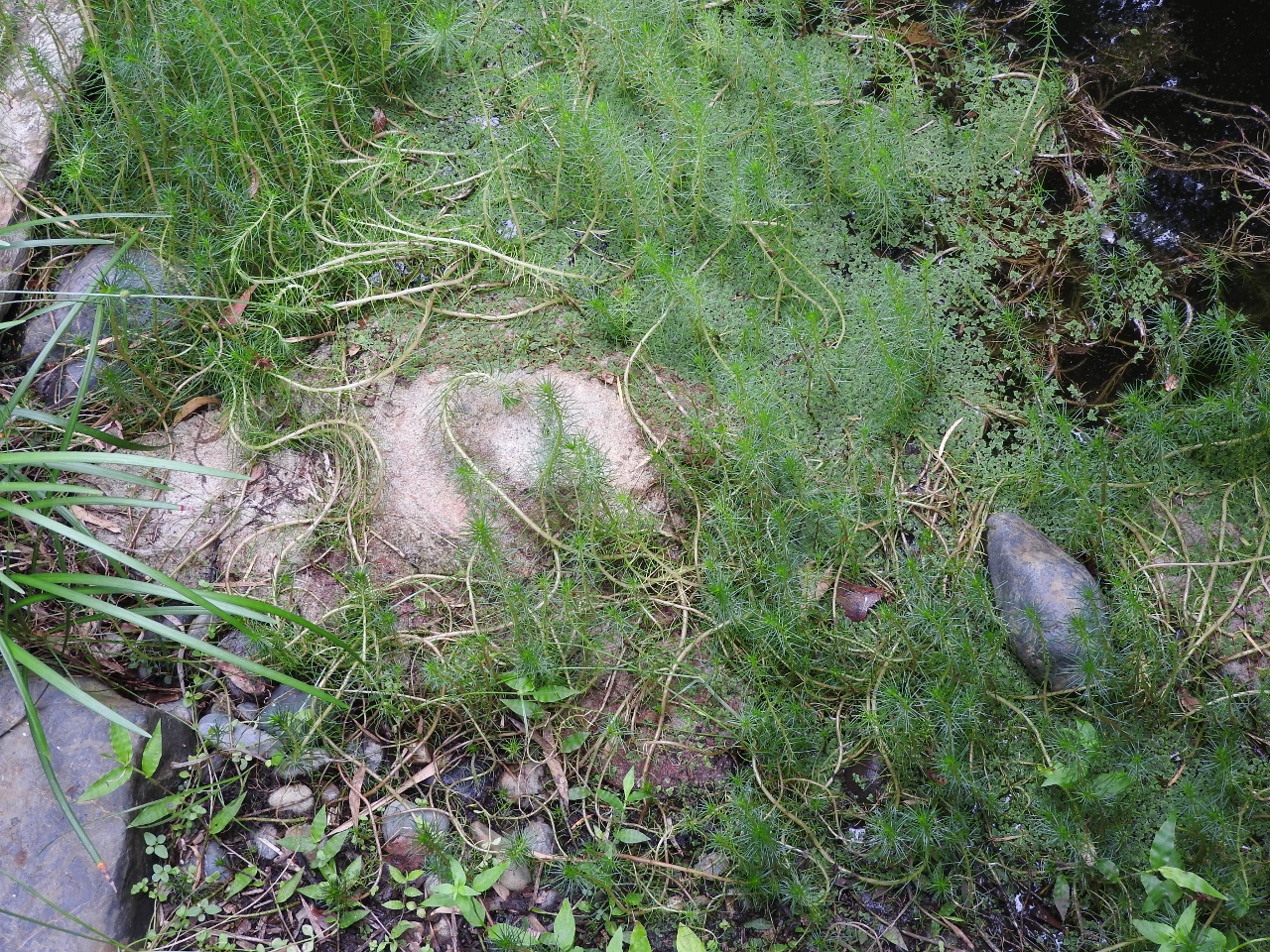
Frog Friendly

And this is what it looks like at the moment, a sloshy muddy mess, with the liner exposed.  Not an attractive sight.

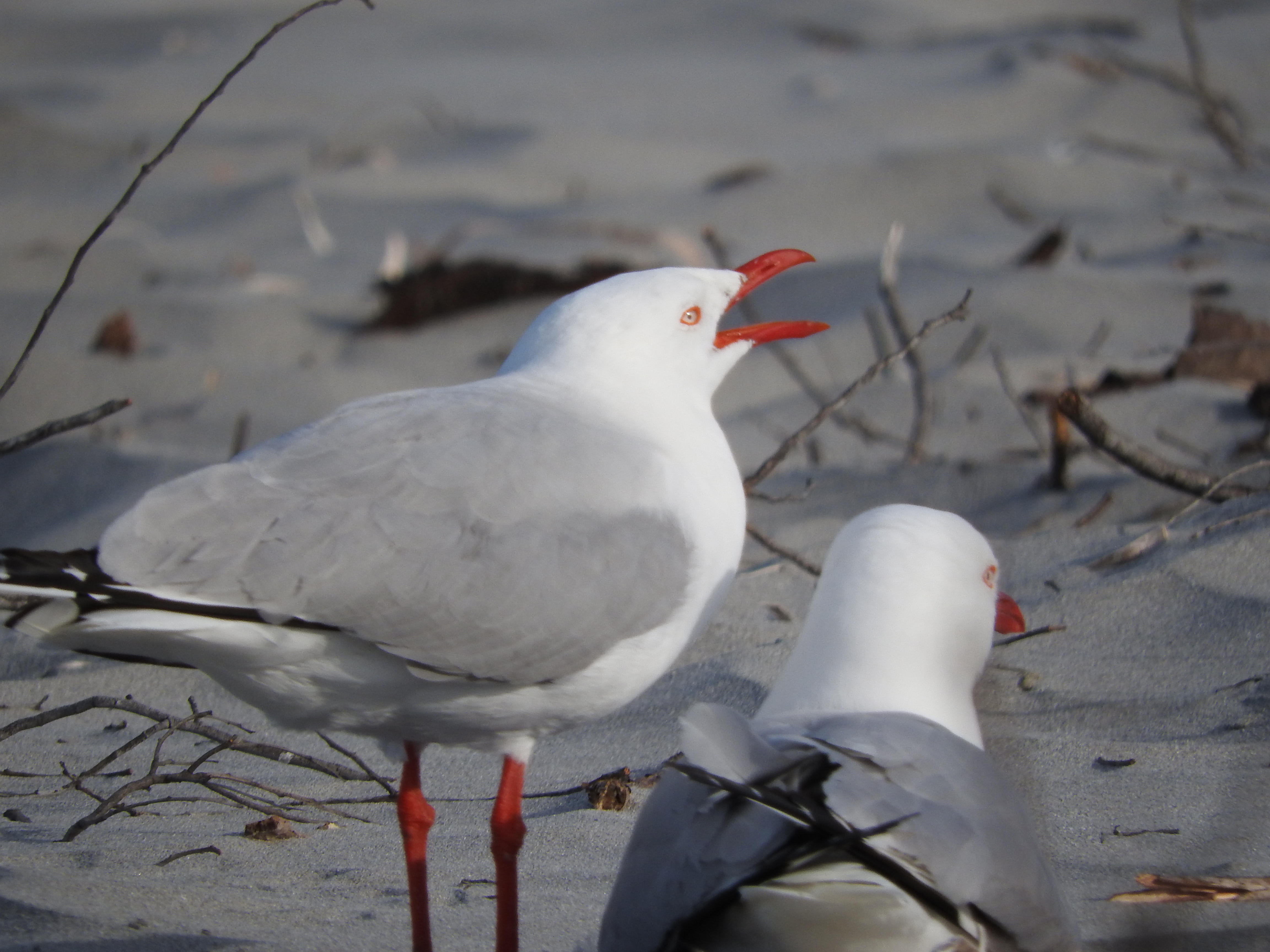
And the cause? A pair of black and white birds usually called Magpie-larks or Pee Wees. These birds are also less commonly known as Mudlarks and guess what?  It’s Mudlark nesting season.

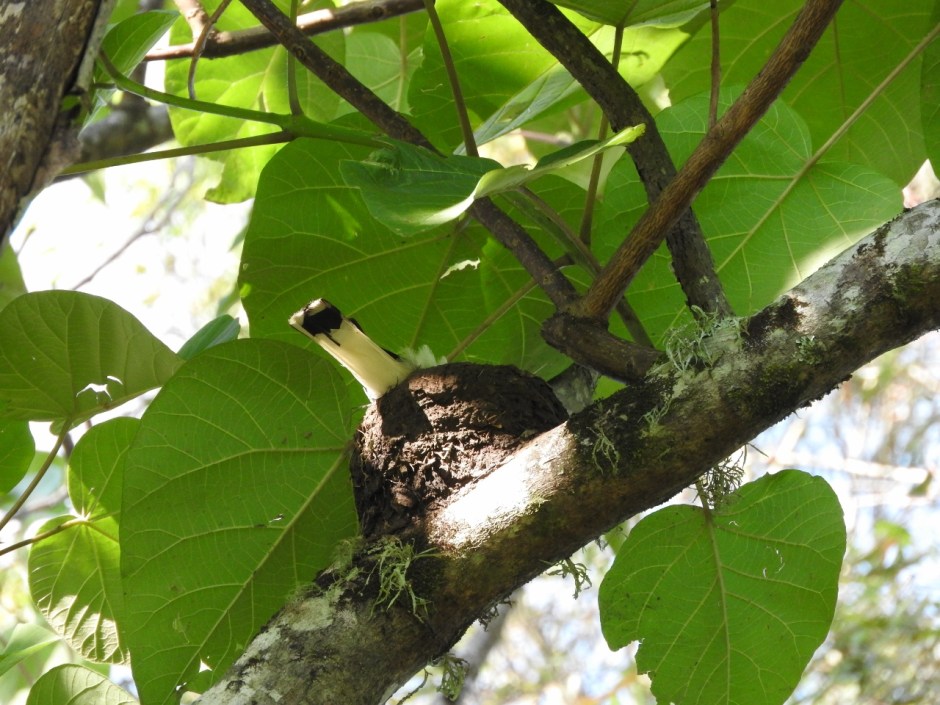
Unsurprisingly, they build their nests from grass and plant material stuck together with wet mud, and it only took me fifteen minutes of following their calls and tree checking to find the nest.

There was MY pond mud, on a branch fifteen metres up in a Paulownia tree!

No larking matter
Mudlark in the Paulownia tree


Mudlarks are diligent parents and quite territorial, with both taking turns to incubate the eggs and to keep a lookout for interlopers.  Towards the end of this video, you’ll hear the alarm being sounded by the on-duty parent.


Now I’m quite fond of wildlife, but this means that I’m going to have to crawl along the edge of the frog pond and reconstruct it, which peeves me more than a bit.  Even though in the process of searching for the Mudlarks,  I found the new roosting spot of the Tawny Frogmouth couple who used to live under a banana leaf nearer the house.

We’re still here!


Bee Garden update …

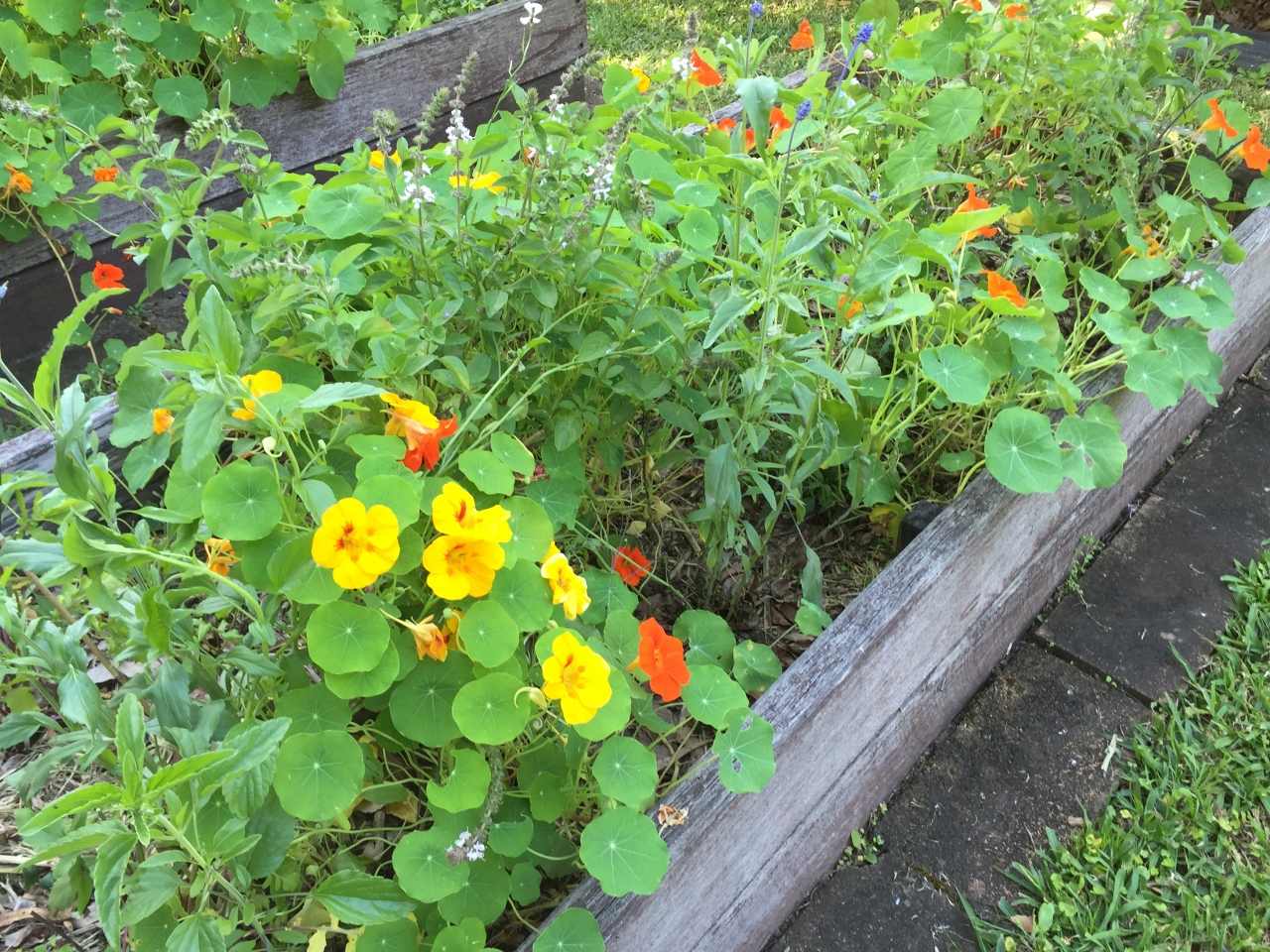
Well, the Bee Garden has been a huge success!  Much more so than my ultimately unsatisfactory attempts to grow veggies in the same beds.
Bee BedsAnd it’s not just bees that have been attracted to the garden, all sorts of beneficial insects like hover flies, butterflies, wasps, ants and many more previously unobserved bugs have arrived.  Many of which have eluded my desperate attempts to photograph them.

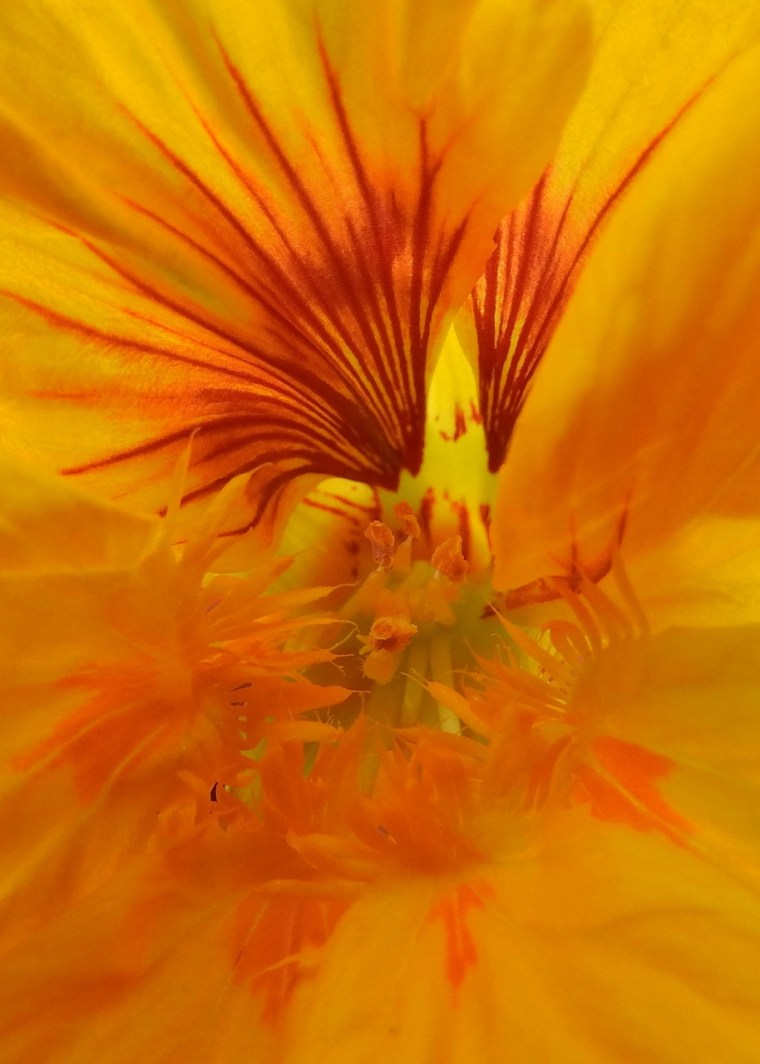
I’ve gained a new respect for nasturtiums and their bee attracting powers, although I now know why it’s often considered a weed, and I’m about to replant with a less rampant variety.
Nasturtium 4

Salvia, perennial basil, sweet basil, cosmos, mint and even parsley gone to seed have all performed well, but yarrow was a bit of a disappointment.  The flowers are quite attractive, but not a single insect to be seen.  I wonder if some yarrow varieties don’t attract bees?

My newly replanted beds include the best performers, plus a few experiments like cat’s whiskers, borage, bergamot and coleus which the Blue Banded bees seem particularly attracted to. Crossing my fingers and hoping for a repeat performance …

A peaceful day in Penneshaw …

There’s not a lot to do in Penneshaw.

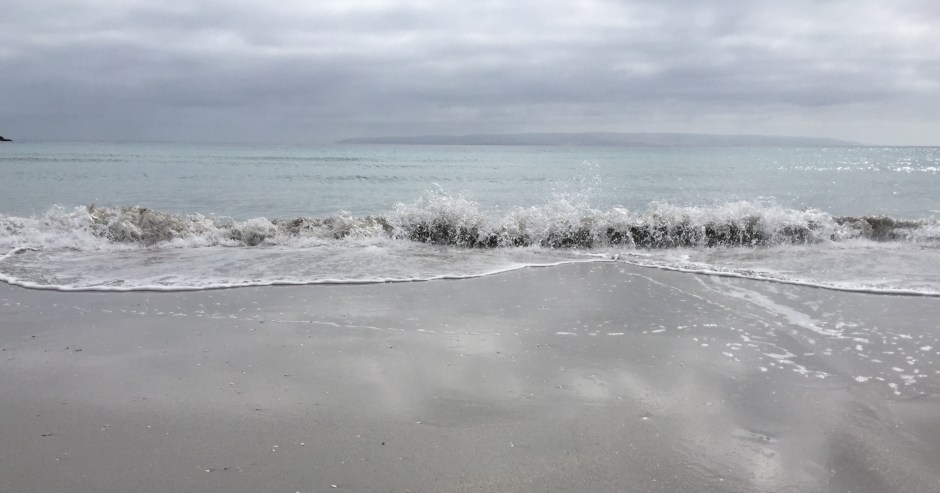
You can take a walk on the mostly deserted beach …

image

Chat to a few of the locals …

image

image

Fossick along the tide line for interesting objects ..

Watch the ferries come and go …

image

Eat fresh seafood and check out the local kids’ jellyfish creations at the pub …

image

Watch molluscs making trails in the rock pools …

image

And that’s about it really …

Perfect, no wonder we keep coming back !

The rather annoying Wonga pigeon …

It’s early morning and I’ve been sitting here listening to a native Wonga pigeon go on, and on, and on …

It’s a very pretty bird, plump, beautifully marked and quite shy, but it has one of the most annoying calls of any Australian bird. It can be heard up to two kilometres away and can continue for hours!

DSC_0457 (1280x853)

I’m wondering if the one I can hear is the same pigeon that has taken to parading backwards and forwards outside my bathroom window.  My bathroom has large windows and no curtains so I enjoy a lovely view of the surrounding bush and wildlife while showering.  I suspect that the pigeon is not actually interested in my ablutions, rather it can see its own reflection and is putting on a mating display.

Wonga putting on a mating display

Whilst searching for information on the Wonga pigeon, I discovered that the early settlers considered them a delicacy and often used to serve them roasted and basted in lemon butter with a bread sauce.  One of Australia’s first cookbook writers Mrs Hannah MacLurcan published a recipe in 1898 …

Now I don’t wish this pigeon any harm, but it does sound rather delicious.
So Wonga pigeons should perhaps consider a new tune !