What to do with a Finger Lime ?

When I saw these at bellopy our local organic market I just had to buy them. Known as “citrus caviar”,  finger limes  are a native rainforest fruit with a similar taste to that of lime.  Inside are beautiful little pearls instead of pulp.  But once bought, what to do with them ?

DSCN6841 (1280x960)

Well obviously … my first thought was can use them in a cocktail ?  So I made up a lemongrass syrup, placed a teaspoon of finger lime pearls in each compartment of an ice-cube tray, filled the tray with the syrup, and froze it.
Voilà … you have a sort of finger lime bomb to put in your glass of bubbly or white wine.  As the ice-block melts, the pearls float gently to the surface.

DSCN6896 (960x1280)

Of course they would be a wonderful tangy garnish for fish, and I stirred some into lemon butter for something really different.

Finger Lime Cocktail Bombs

Make a simple sugar syrup using one part sugar to one part water, say …

250 ml sugar
250 ml water
2 stalks of lemongrass stripped of their outer layer and cut into 5 cm pieces
(If you don’t have lemongrass, you can use the zest of a lime)

In a high-sided saucepan over medium-high heat, bring cold water and sugar to a boil. Turn the heat to low, add the lemongrass pieces and stir constantly until the sugar dissolves completely and the mixture is clear, approximately 3 to 5 minutes.

After boiling, let the syrup cool to room temperature, remove the lemongrass pieces and then pour into a clean glass jar and store in the refrigerator. The syrup can be refrigerated for up to 6 months.

Cut the finger limes into quarters crossways not lengthwise, and squeeze the pearls gently out into a bowl.  Then place a teaspoon of the pearls into each compartment of an ice-block tray.  Fill each compartment with cooled sugar syrup and freeze.  When frozen, store the ice-blocks in a sealed container in the freezer ready for use.

Spittle Bugs …

Well, every day brings something new …

I have a beautiful Medinilla which is flowering at the moment. The blooms are a delicate pink, developing to deep purple and burgundy berries.  This morning I discovered that something had deposited what looked like big blobs of foam on the branches.

DSCN6942 (1280x960)

When I Googled “white foam” I learnt that this is a symptom of several nasty medical conditions which thankfully I don’t have. And when I added “plant” to the search string I discovered … Spittle Bugs!

DSCN6959 (960x1280)
Spittle Bug on my little finger

It seems that the nymph stage of this little bug lives within a white, frothy secretion that resembles spittle (hence the name). The nymphs shelter and feed beneath this foam. The spittle is formed by air being taken into an abdominal channel and then expelled through the excreta, forming bubbles. I once knew someone who could do something similar with their eyes … a very disturbing party trick!

When you remove the spittle you discover a tiny pale yellow insect with big black eyes and a huge nose.  I’m hoping I get to see the adult stage …

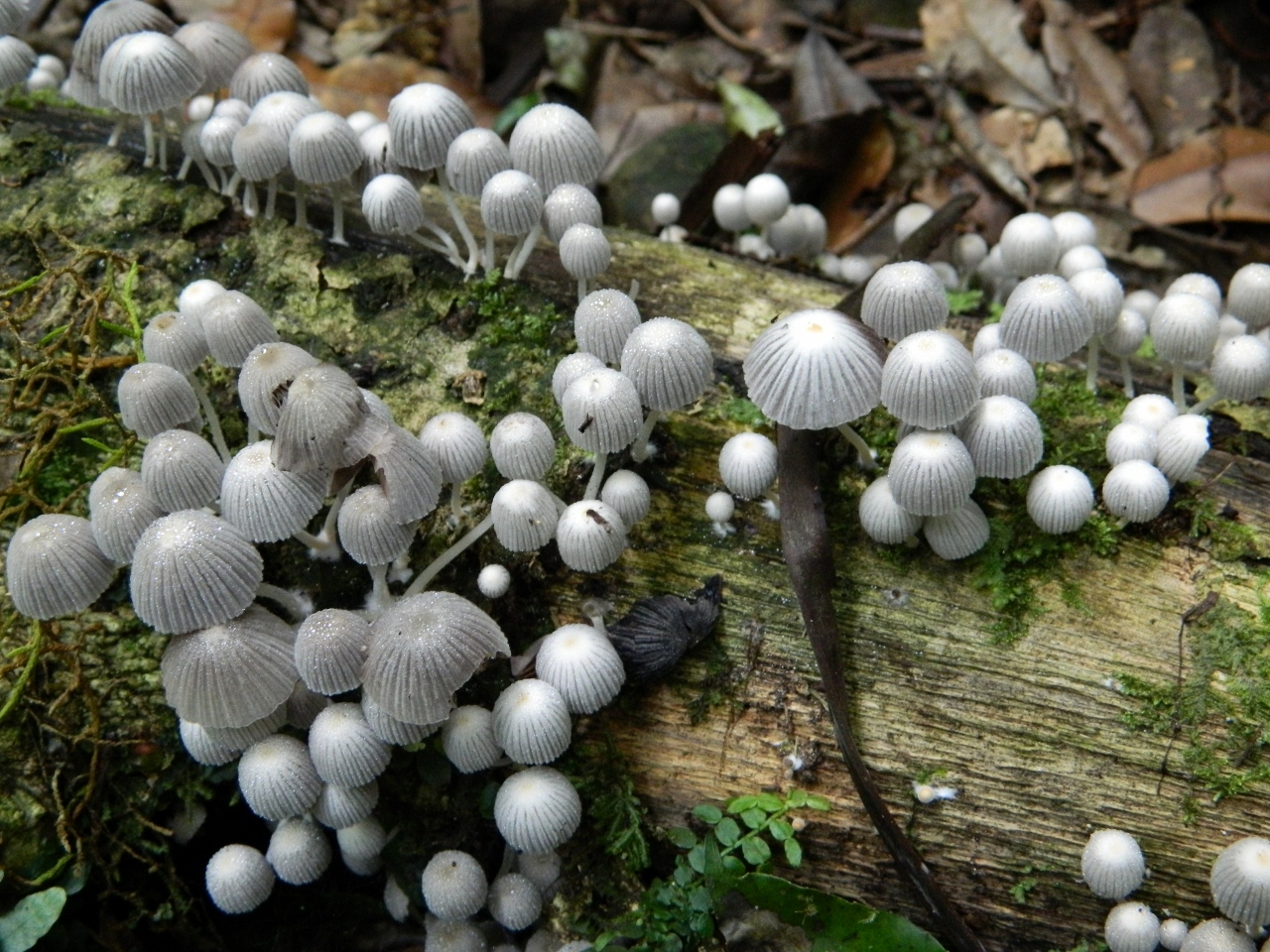
Discovering fungi …

It’s Autumn, and at first glance it looks like nothing much is happening in the garden, but if you don’t mind crawling around on your hands and knees you’d be surprised at what you find …

DSCN6748 (1280x960)
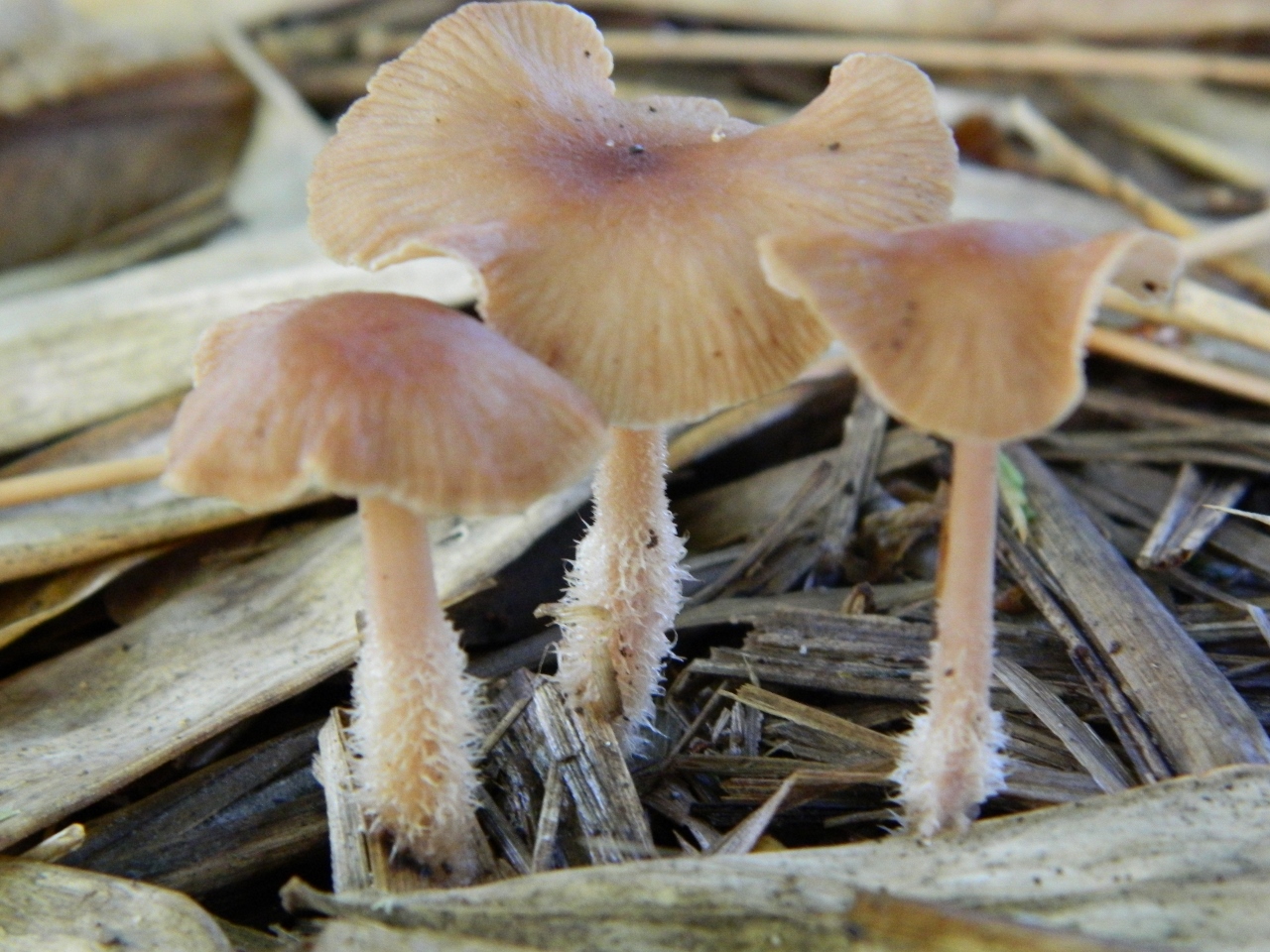
Maybe a Marasmiellus ?

If I said that this one might be a Marasmiellus, you’d think I know something about fungi and I don’t, so I won’t !

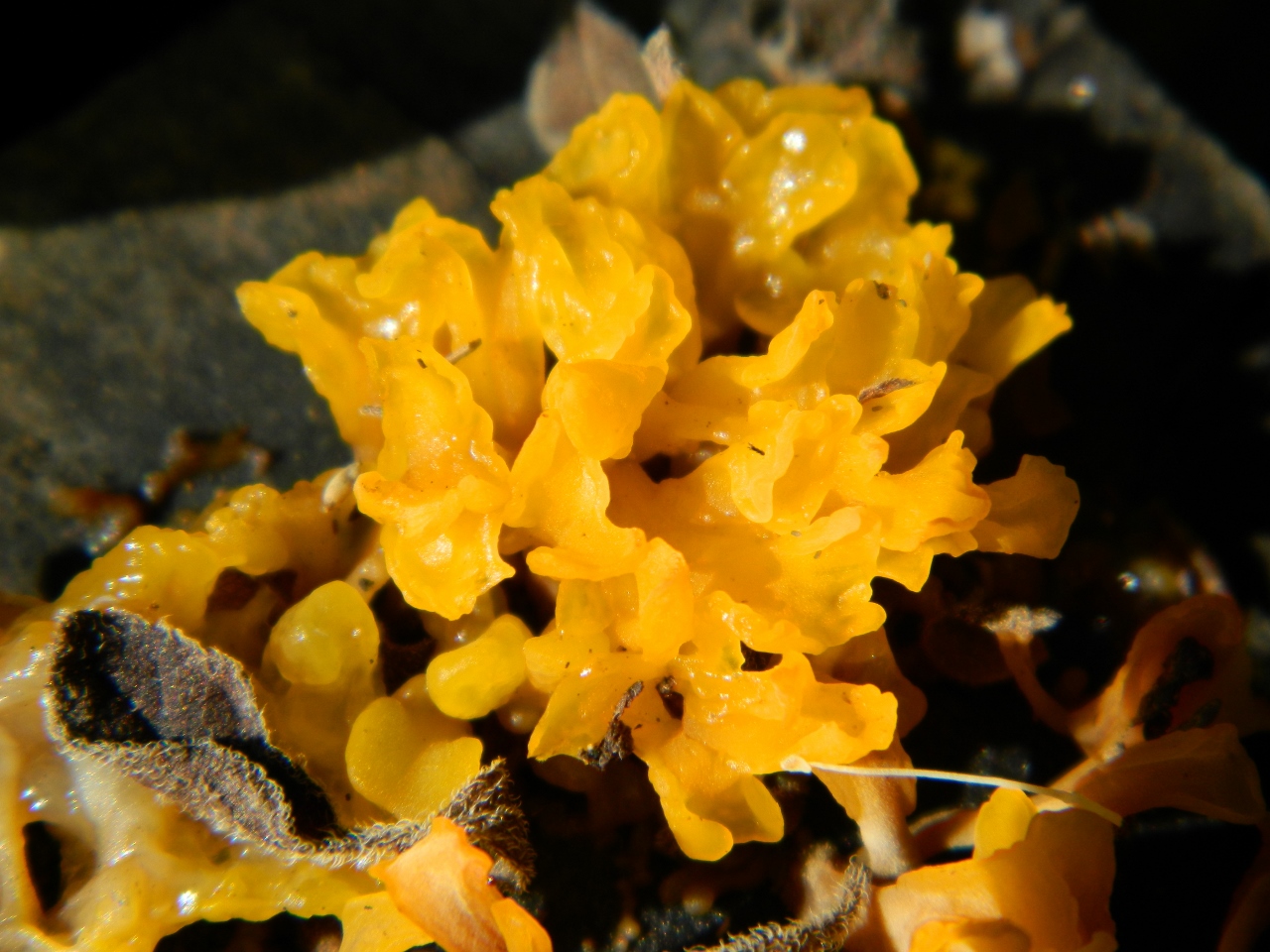
DSCN6821 (1280x960) DSCN6824 (1280x960)

Apparently there are over 13,000 described species of fungi in Australia, but including those species not yet discovered there are over 250,000.  OK … so how does that work ?  I think I’ll stick to frogs  … trying to identify fungi, as fascinating as they are, might send you quite bonkers !

The lonely frog …

The frogs have suddenly gone quiet.  Even the reliable little Dwarf Tree frog is silent.  Maybe it’s because the nights are slightly cooler, or maybe they are all waiting for a huge thunderstorm.  Or perhaps it’s just that they have finished their “frog business” for the season.  Who knows.

DSCN6758
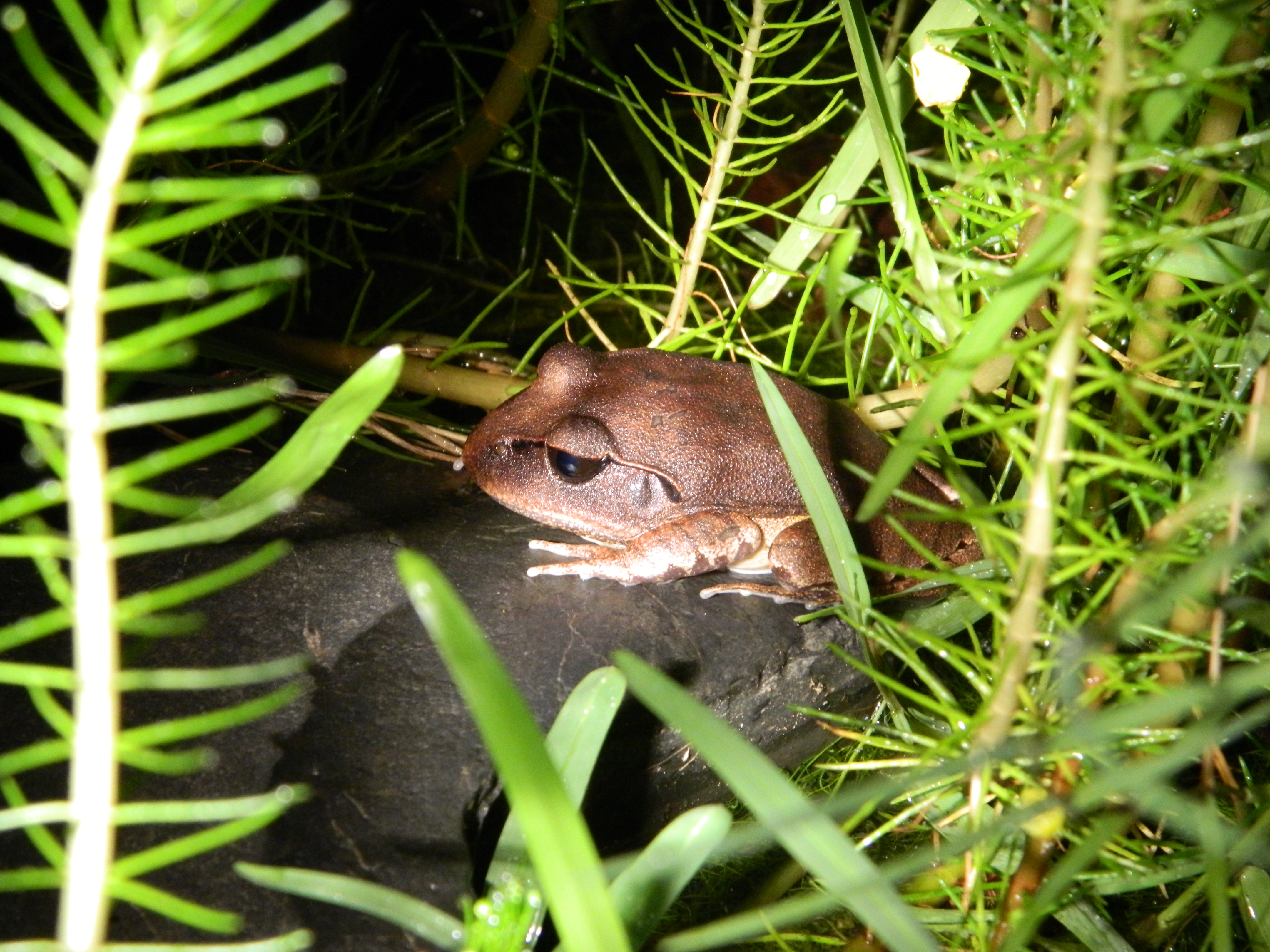
The Lonely Frog

The last few nights there has just been ONE lonely frog, sitting on the edge of the pond quietly “quacking” every now and then.  It’s last frog species to arrive, the Great Barred frog.  The one that really shouldn’t be there according to his habitat requirements. Perhaps that explains his lack of enthusiasm?  I’ve pointed out to him that my pond is not exactly the Frog Hilton for the female of his species and that he needs to put in a bit more effort if he hopes to attract a mate any time soon.

We are both hopeful …